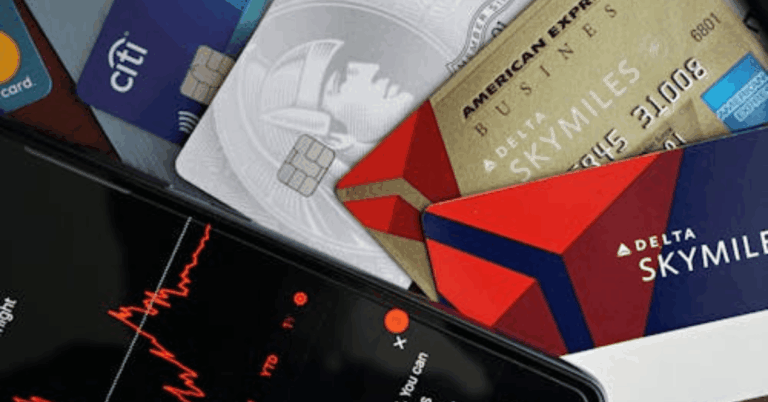
Shopping at Aldi often combines affordability with efficiency, but questions sometimes arise when it comes to in-store payment methods.
Individuals and businesses alike may wonder about the available options for both corporate cards and personal cards.

This article explores Aldi’s accepted payment types and addresses key concerns for smooth transactions, whether shopping for a household or business.
While this is especially valuable for professionals handling corporate purchases, it’s equally relevant for everyday Aldi shoppers who want clarity on accepted card types.
Discovering which payment methods work best can help keep the checkout process stress-free and even more efficient.
Accepted Payment Methods at Aldi
Aldi has built its reputation on simplicity and cost savings, but it’s easy to overlook how this philosophy shapes payment options.
Historically, Aldi focused on cash or debit, but changes over recent years have improved flexibility.
It’s not always obvious which payment methods are supported until reaching the cashier or reviewing signage. Let’s break down what’s currently accepted.
Personal Debit and Credit Cards
Standard Mastercard and Visa credit and debit cards are widely accepted at Aldi stores throughout much of Europe.
In some regions, other card brands like Maestro or V Pay can also be used. Occasional regional differences exist, so it never hurts to double-check at your local branch.
American Express support is less common, though this might vary by country. Discover card, on the other hand, is usually not supported.
Corporate and Business Cards
Business shoppers may have slightly different needs. Fortunately, most corporate cards based on Visa or Mastercard infrastructure will function much like personal cards at Aldi.
It’s possible a few corporate purchase cards (such as those with enhanced data capture or fleet services) could face issues, particularly if they require signature or PIN exception processing. Usually, presenting a standard chip-and-PIN card works smoothly.
Digital Wallets and Contactless
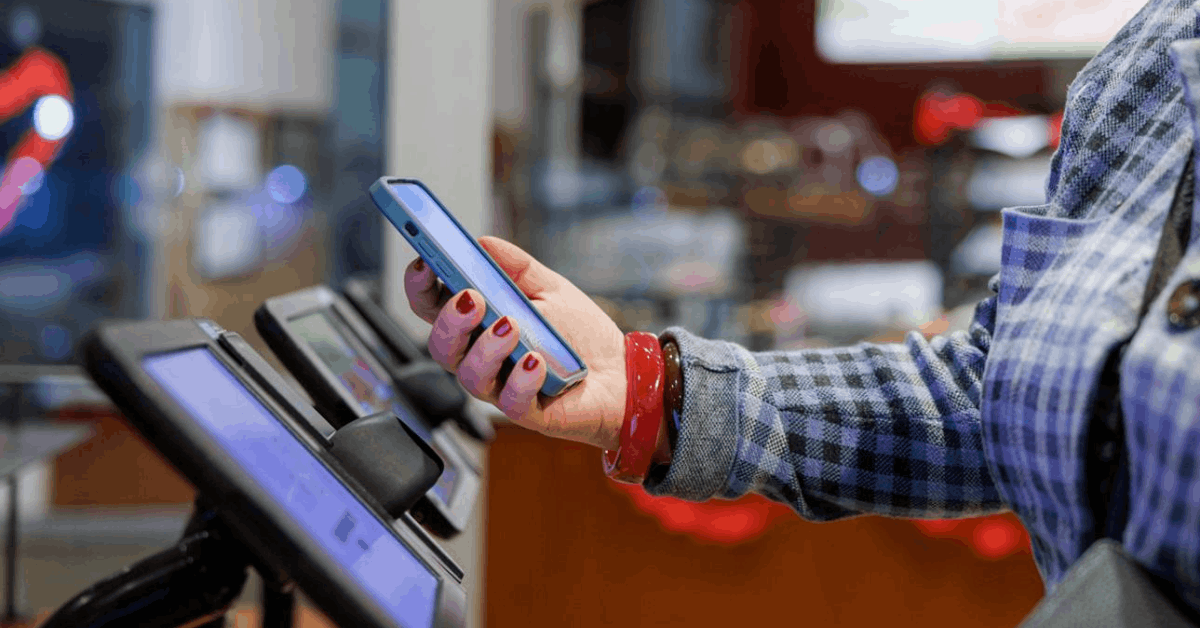
The trend toward contactless payments is hard to miss. Aldi stores support Apple Pay and Google Pay for both personal and business transactions where compatible.
Contactless transactions offer speed and convenience, minimizing time spent at checkout—something many people, perhaps myself included, appreciate on busy days.
Other Payment Types
Certain Aldi locations may still accept cash and, in specific cases, local payment systems (like Girocard in Germany or Bancontact in Belgium).
Gift cards are available for use at Aldi stores, though sometimes only within the issuing country, so this is one detail that’s often overlooked.
Pros and Cons of Using Cards at Aldi
Though it’s easy to assume using a card is always the best option, there are reasons some customers hesitate.
Understanding the benefits—and any minor drawbacks—can help shoppers decide what fits their own routines.
Advantages for Personal Cards
- Fast and secure checkout, with widespread acceptance
- Easier to track spending digitally through banking apps
- Contactless methods save time without typing PINs
Advantages for Corporate Cards
- Simplified expense tracking for business purchases
- Bulk shopping and invoicing sometimes possible with select card programs
- Potential for enhanced security using business authorization controls
Potential Drawbacks
- Certain card types or networks may not be supported in every location
- Occasional issues with specialized business accounts requiring extra authentication
- Card system outages (though rare) can mean reverting to cash payment
How Aldi’s Checkout Technology Benefits Card Users?
Aldi’s register systems are generally modernized across European locations. Integrated terminals accommodate EMV chip, magnetic stripe, and contactless payment protocols.
In practice, this means less time waiting for card authorization. Loyalty to simplicity means the in-store experience rarely feels bogged down by technical confusion.
From personal experience—and a few conversations overheard in Aldi queues—most people find card payments as seamless as possible.
Though, every so often, there’s a little confusion about which cards get accepted, especially with less common business issuers.
Managing Receipts and Purchase Records
Whether shopping in a personal or business capacity, keeping clear records is important. Aldi provides printed receipts for all in-store transactions.
For purchases made with a corporate card, receipts typically include VAT details—useful for accounting or expense reports.
Some stores offer digital receipt options, but this isn’t universal. Shoppers handling large quantities or multiple transactions in a month may wish to ask staff about best practices for batch receipts or electronic records.
Security and Fraud Protection
Modern card security makes in-store Aldi purchases quite safe. Chip-and-PIN technology reduces the risk of data theft.
If a card is lost or compromised, shoppers should notify their bank promptly. For businesses using corporate cards, managing PIN access and transaction limits is sensible.
Aldi staff are usually vigilant, but a touch of caution is helpful: always shield the keypad while entering a PIN.
Handling Declines or Payment Issues
Most shoppers never face issues, but on the off-chance a card is declined, Aldi staff will usually invite a retry or suggest an alternative payment.
Occasionally, contactless limits or network outages might interfere. Businesses may need a secondary card handy, especially for larger transactions.
It’s not always clear to customers why a payment doesn’t go through. In these rare cases, retrying, selecting chip-and-PIN, or switching payment methods often resolves the problem.
Expense Reporting for Businesses Shopping at Aldi
Businesses buying supplies from Aldi can make record-keeping easier by relying on cards linked with expense management systems.
Receipts should match card statements for smoother reimbursement. Some companies prefer purchasing with business prepaid cards, which are accepted like standard debit cards at most Aldi locations. But, limits on daily totals or frequency may apply depending on issuer policies.
Tax and VAT Considerations
VAT is included on most Aldi in-store purchases; the printed receipt should display all required details for compliance.
This supports simple reconciling for business accounting teams. In some countries, Aldi can provide an itemized invoice upon request, but this isn’t always standard for smaller baskets.
Keeping an organized record of VAT-inclusive purchases is sensible for any company seeking proper deductions or compliance.
Common Questions About Aldi Payments
Are virtual cards or single-use cards accepted?
Some digital cards (such as those generated via smartphone wallets) are accepted if supported by contactless protocols.

But, purely virtual numbers requiring physical confirmation might not work at a standard terminal, so it’s worth double-checking beforehand.
Can corporate cards be used for personal shopping?
While technically possible, using a business card for personal expenses is not recommended and may violate company policy. It’s wise to use separate cards for each purpose to ensure clear financial records.
Can I split payment between multiple cards or cash?
This depends on the location. Some Aldi stores allow for splitting tender, but in practice, most prefer a single payment type per transaction for simplicity and security. Individual stores might accommodate requests in rare cases, but it’s not a standard practice.
Maximizing the Aldi In-Store Experience
A smooth checkout starts with the right payment method. For individuals, linking cards to loyalty or cashback apps might provide added value (even if Aldi does not have a dedicated rewards program).
Businesses benefit from corporate cards that support integration with expense reporting tools. If unfamiliar with a local Aldi’s rules, a quick check with staff can avoid last-minute surprises.
Tips for Paying Smoothly at Aldi
- Bring Visa or Mastercard when possible.
- Keep a backup payment method ready.
- Save receipts for easier tracking.
- Check contactless limits before paying.
- Separate business and personal purchases.
Conclusion
Aldi accepts several convenient payment methods, including most Visa and Mastercard personal and corporate cards, as well as digital wallets in many locations.
Choosing the right payment option can make checkout faster, simpler, and easier to track for both households and businesses.
It is still smart to keep a backup method ready in case of regional limits or occasional payment issues. With a little preparation, shoppers can enjoy a more efficient and stress-free in-store experience.