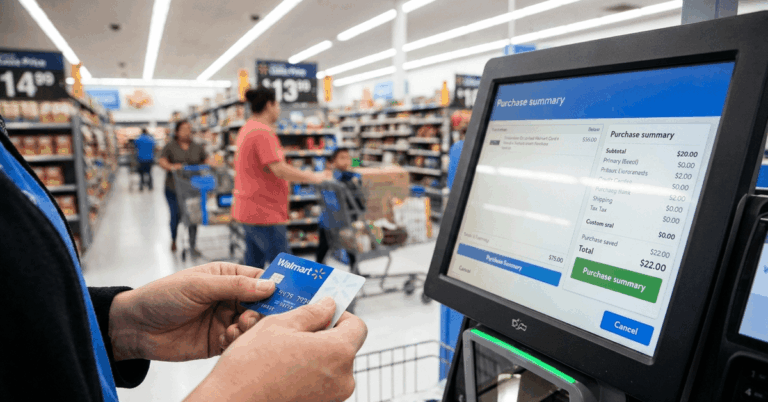
There are times when a small cash boost can make all the difference. Whether for an unexpected bill or a temporary shortfall, options for small loans, even as low as $100, can offer a sense of relief.
This guide explores small loan options, regulatory factors, and what users might want to weigh when considering them.
Small loans may seem simple on the surface. In reality, their requirements, benefits, and potential risks can be much more nuanced than people expect.
This article aims to provide a clear, up-to-date overview for anyone who feels unsure about where to begin. Individuals seeking short-term financial assistance, students, gig workers, or families—all may find useful insights below.
Before diving in, it’s important to approach lending carefully. Small loans can solve specific problems, but an informed, thoughtful process leads to better financial well-being in the longer term.
Let’s explore how small loans function, what choices are available, and which factors deserve a closer look.
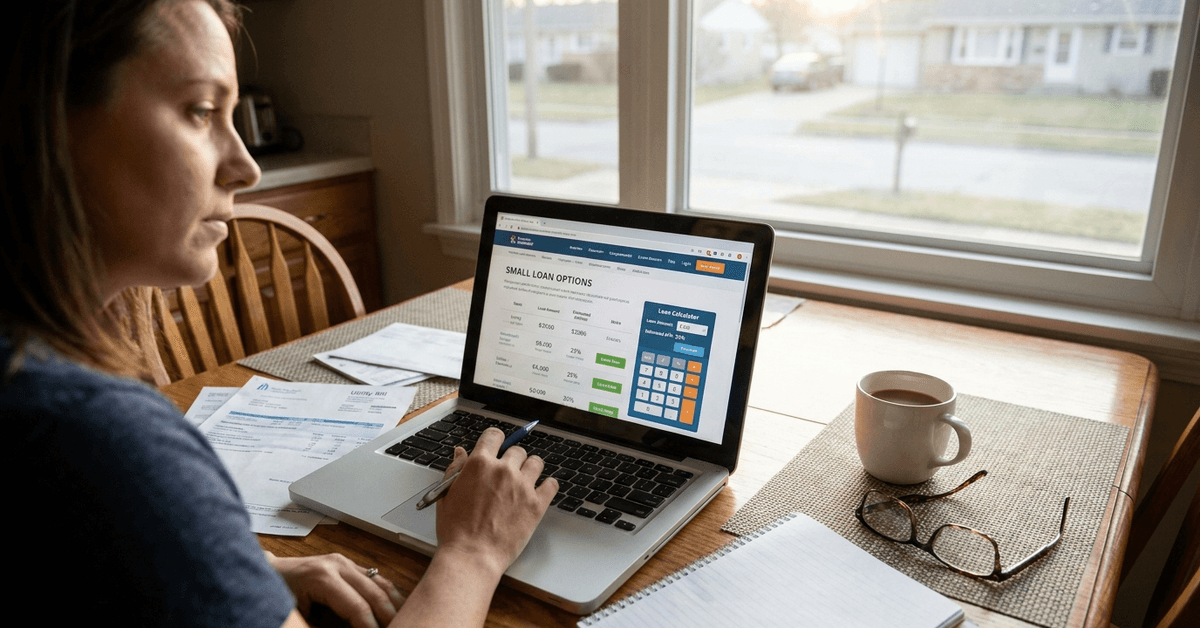
Understanding Small Loans: Amounts, Terms, and Purposes
Small loans, often called microloans, typically range from $100 to $2,000. Lenders design these for ease of access and quick funding.
They’re intended for minor expenses, not major purchases. Still, interest rates and repayment terms can vary a lot.
The main appeal of small loans may be their speed and simplicity. Some providers approve and transfer funds within hours, provided certain eligibility requirements are met.
For someone needing a quick solution, this responsiveness is valuable. But that same ease of access also means costs can add up rapidly.
Common Purposes for Taking a Small Loan
These loans often cover urgent expenses such as medical bills, home repairs, or car fixes. Sometimes, they help with temporary income gaps—perhaps between jobs or while waiting for a paycheck. Others use small loans for travel, family needs, or educational materials.
Loan Amounts and Repayment Schedules
Small loans start at $100, with common upper limits between $500 and $2,000. Repayment terms may be as short as one week or as long as a few months. Some lenders offer flexible due dates, which helps with cash flow.
It can be tempting to borrow multiple small amounts, but stacking loans like this may lead to a cycle of debt, especially if terms are unclear.
Where to Find Small Loans: Trusted Sources and Alternatives
Many traditional banks seldom issue loans below $1,000. For these amounts, borrowers usually turn to other sources.
Choices range from reputable credit unions and online lenders to community-based organizations and even a few government programs.
Online Lenders and Fintech Platforms
Digital-first lenders have streamlined the small loan process. Well-known platforms can deliver funds quickly, sometimes with less documentation. For example, users often turn to platforms like LendingTree’s personal loans section to compare offers without impacting their credit score. These platforms usually host a range of offers, but interest rates and fees might be higher than traditional banks.
Credit Unions and Community Banks
Some smaller financial institutions offer what’s called a payday alternative loan (PAL). Credit unions tend to have lower fees, more reasonable interest rates, and clearer repayment periods. Membership may be required. As a plus, their staff often take the time to explain terms in detail.
Peer-to-Peer Lending and Loan Apps
Peer-to-peer solutions connect borrowers with investors willing to make small loans. Loan apps, meanwhile, might approve microloans based on non-traditional data—think bank history rather than credit score. Take care, however, since some apps add hidden fees or promote prompt repayments with aggressive reminders.
Other Alternatives: Friends, Family, and Nonprofits
In certain cases, borrowing from a friend or family member might seem easier, but relationships can grow strained if anything goes awry. Select nonprofits also offer emergency microgrants, which don’t require repayment, though eligibility may be limited to specific situations.
Evaluating Small Loan Costs: Rates, Fees, and APR
While small loans offer accessibility, their cost can be significant relative to the amount borrowed. Some lenders quote flat fees, others use annual percentage rates (APR). A $100 loan with a $10 fee may not sound high, but over a two-week period, this could represent a triple-digit APR.
Comparing Fees and Penalties
It’s not uncommon to see origination or application fees, plus late payment penalties. Carefully reading the loan disclosure can prevent costly surprises. Any reputable lender will provide a breakdown. Some even include calculators to show total repayment amounts up front.
Interest Rates Explained
Interest rates tend to be higher for small loans than for standard personal loans. This is partly because lenders spread fixed administrative costs over a much smaller principal. The difference between a payday loan and a small installment loan could be striking. Looking at the real cost—how much you’ll pay for $100 borrowed—is often more revealing than just the APR.
Eligibility Requirements and How to Improve Approval Odds
Lenders usually set basic requirements: legal age, proof of identity, bank account access, and evidence of income. Credit checks might be soft pulls or, in some cases, not performed at all. While quick approvals are common, not everyone qualifies automatically.
Documents Most Lenders Require
- Government-issued ID
- Bank account statement or pay stub
- Proof of address
- Contact information
Some platforms cater to applicants with less-than-perfect credit, prioritizing consistent income over FICO score. If possible, gathering these documents in advance can shorten processing times, but policies differ widely.
Comparing Small Loan Providers: Key Factors to Consider
No two lenders are exactly alike. It’s common to see differences in speed, policies, customer service, or even the way funds are deposited. For someone new to borrowing, this range of options might feel overwhelming at first.
Transparency and Communication
Lender reputation often relies on how clearly they explain rates and terms. Official sites such as Consumer Financial Protection Bureau (CFPB)o ffer explanations and red flags for loan agreements. A trustworthy lender makes key information easy to find, often with a contact number or chat for clarification.
Funding Speed and Flexibility
Some platforms deposit funds same day, others require two business days. Repayment flexibility—such as changing payment dates or making extra payments without penalty—can make a real difference. Still, lenders are only required to honor what’s in the contract.
Privacy and Data Security
Many are rightfully concerned with sharing sensitive information. Reputable platforms use encryption for personal details and have clearly posted privacy policies. Reading these policies, even briefly, can bring peace of mind before submitting an application.
Legal Protections and Responsible Small Loan Use
Across many regions, lenders must meet consumer protection standards—rules about disclosure, fair lending, and interest caps. In the U.S., state law often regulates maximum APR and how often loans can be renewed or rolled over.
If a lender is not licensed or operates outside regulatory guardrails, risks may increase—possibly including aggressive collection tactics. Seeking out accredited lenders lowers those odds and provides more recourse in the event of a dispute.
For users worried about getting trapped in debt cycles, learning about safe borrowing practices can be especially helpful. Setting reminders for payment, borrowing only what’s absolutely needed, and reading the fine print could help avoid future obstacles.
When a Small Loan Might Not Be Right
There are also moments when a loan may not bring true relief. Multiple unpaid loans, unstable employment, or unreliable repayment ability could worsen someone’s situation. Small loans are meant as short-term solutions—not ongoing support for chronic financial strain.
Some people might consider alternatives: negotiating bill extensions, seeking local aid, or cutting unnecessary expenses. All of these can limit debt accumulation and foster better financial habits in the long run.
Making Sense of Small Loans for Realistic Needs
The search for a small loan, sometimes driven by stress or urgency, can feel disorienting at first glance. Options abound, but clarity only arrives with careful questions and clear attention to terms.
By understanding what small loans offe, and what they sometimes cost, people are better positioned to find fair solutions that serve, not sabotage, their financial progress.
No single type of small loan fits every scenario. Needs differ, as do risks and conveniences. Those seeking affordable access might weigh alternatives carefully, perhaps consulting official resources like the CFPB if confusion arises.
Ultimately, a realistic understanding of one’s finances opens the door to choices that promote short- and long-term well-being.