Navigating the journey towards safe and accessible senior living can feel overwhelming, especially in Spain, where choices abound.
This guide is designed for older adults, their families, and caregivers who are interested in understanding modern senior housing options, exploring features that support aging in place, and learning how to make wise, well-informed choices for a loved one’s well-being.



Understanding Senior Living: Definitions and Key Differences
When searching for senior housing in Spain , it helps to know the differences between various options.
Some older adults prefer independent apartments, while others look for assisted living or long-term medical care, and the distinctions between these choices aren’t always obvious at first.
Independent Living Facilities
These communities allow older adults to live independently in an adapted environment, with minimal support. Usually, services like meal provision, basic housekeeping, and social activities are available, which can promote a sense of autonomy.
Assisted Living Residences
For those who need more daily assistance, such as help with bathing or medication management, assisted living combines privacy with support. The goal is to balance independence with safety, without feeling like every aspect of life is managed by someone else.
Nursing Homes and Specialized Care
Some facilities in Spain offer round-the-clock medical supervision, nursing, and help for those who are recovering from illness or living with disabilities. Choosing this route often depends on health needs rather than simply a preference for extra comfort services.
Why Accessibility and Safety Matter in Senior Living
Adapting the living environment to meet the needs of the elderly is no longer a luxury, but a crucial consideration.
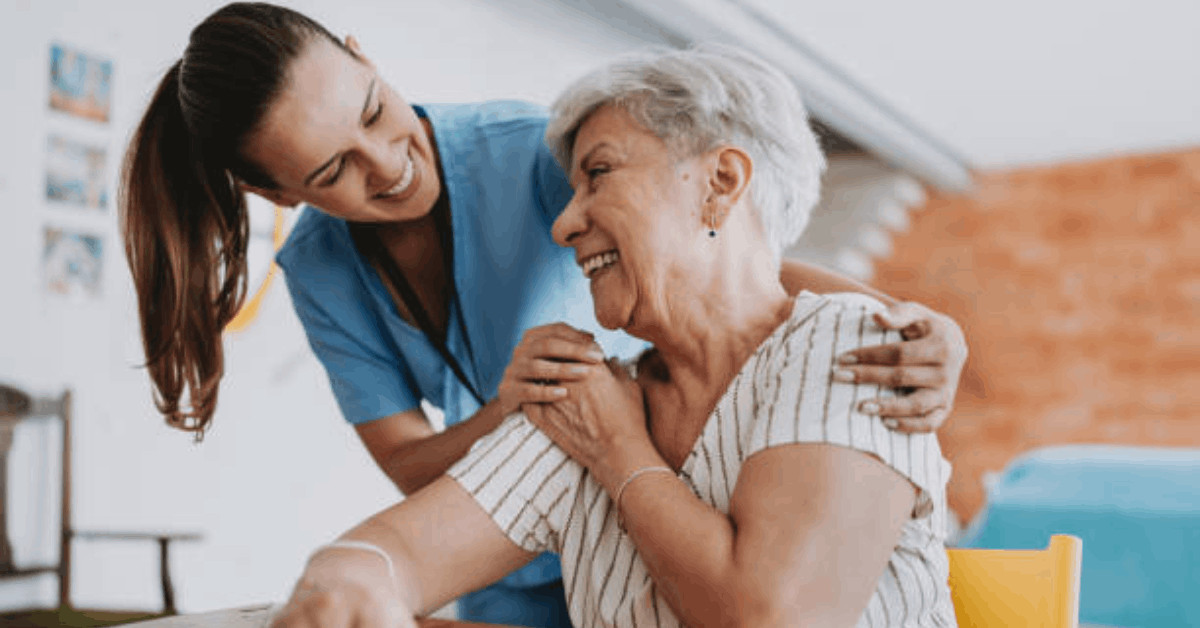
Slip hazards, steps, inadequate lighting, and other dangers can compromise mobility. Adding ramps, lifts, and emergency response tools directly supports well-being.
Common Accessibility Features
- Step-free entrances and interior pathways
- Handrails in hallways and bathrooms
- Elevators with large, easy-to-read controls
- Non-slip flooring materials
- Visual alarms and voice notification systems
These upgrades may be obvious at first glance. Yet, sometimes people overlook simple things like wide doorways, lever handles on doors, or enough space for a wheelchair to turn, which make a huge difference in daily life.
Security in Senior Housing
Modern residences often feature 24/7 surveillance, secured entry, and call-button systems for emergencies. Peace of mind comes not only from good locks but also from knowing help is always reachable—in some places, within seconds. This can provide invaluable confidence to residents, and their families may breathe easier, too.
How to Search for Senior Living Support Near You in Spain
There are various ways to locate trusted senior living support in your area. Families, or seniors researching for themselves, can consult local councils, non-profit organizations, or specialized housing agencies that focus on senior needs.
It’s also possible to contact healthcare providers for recommendations if you value their expertise.
Online Senior Housing Directories
Some websites are specifically designed to help people compare features, costs, and reviews for facilities across Spanish regions.
While no list is exhaustive, options like Inforesidencias.com compile detailed databases, allowing users to filter by location, care level, or budget.
Visiting in Person
It can help to arrange visits before making a decision. Observing common areas, talking with existing residents, or even sampling a meal on-site gives a realistic sense of everyday life.
Occasionally, feelings about a place shift once you witness the surroundings up close.
Ask the Community
Local senior associations, town councils, and support groups typically know which residences have good reputations.
Fellow residents, neighbors, and healthcare social workers may also offer candid opinions that don’t always appear in online reviews.
Features to Look for in Safe & Accessible Housing
When evaluating senior housing, it’s helpful to focus on tangible elements that support daily living. No dwelling is perfect, but some features—practical and otherwise—could make all the difference.
Physical Safety Measures
- Wide, unobstructed hallways and doorways
- Zero-step showers or wet rooms
- Well-marked emergency exits
- Outdoor spaces with good lighting and benches
Supportive Services
- Scheduled check-ins from a nurse
- Personal care or help with daily routines
- On-site medical emergency response
- Health and wellness activities
Community and Social Life
Regular events, hobby groups, or language classes reduce feelings of isolation. This is sometimes overlooked in Spanish cities, but many facilities now offer walks, book clubs, and even communal gardening plots, contributing to overall happiness.
Budgeting and Comparing Costs
Senior living expenses can sometimes be a point of stress, especially for families managing tight budgets. Costs vary, depending on city, region, and the level of care or amenities offered. Some of the more luxurious facilities ask for a sizable monthly fee, yet simpler homes are more affordable and may be partially subsidized by public resources.
Average Costs by Region
For example, in Madrid or Barcelona, assisted living may cost more than €1,500 per month, while smaller towns often have lower rates. Comparing carefully will likely pay off in the long term, particularly if you’re open to non-urban options.
Financial Assistance
Spain offers certain subsidies or grants for eligible seniors, though navigating the system can seem complex at first. Organizations like IMSERSO provide support in applying for government aid, if needed. Sometimes local councils offer discounts or social vouchers as well.
Legal and Rights Considerations
Each autonomous region in Spain may set its own standards for licensing and oversight. However, regulations require facilities to protect personal dignity, privacy, and the right to participate in decisions.
Prospective residents are encouraged to review contracts thoroughly and understand their rights—including, for example, procedures related to complaints or emergencies.
Resident Rights in Spain
- Refusing care or choosing preferred care methods
- Receiving visitors and maintaining social ties
- Clear communication regarding any fees or extra charges
- Filing grievances safely and without retaliation
Legal guidance can sometimes help clarify contracts, especially if there are language barriers or medical clauses. Non-profit associations offer free or reduced legal assistance in many Spanish provinces.
Tips for a Smooth Transition to Senior Living
The move to senior housing isn’t just logistical—it’s emotional, too. Some residents experience excitement, while others worry about fitting in. The key, perhaps, is patience and giving oneself (or a loved one) time to adapt.
Make the Space Familiar
Personal photos, favorite bedding, or even a cherished plant can ease the adjustment to a new environment. Relationships with staff often blossom when people feel settled, something many find reassuring.
Stay Connected
Video calls and regular visits with loved ones, when possible, help maintain continuity. Some facilities in Spain offer tech support to help residents use tablets or smartphones, bridging distances.
Understand the Support Network
It’s not just about the building—community makes a difference. Residents who participate in shared activities or simply chat with others tend to adjust more smoothly.