Many shoppers look for smarter ways to manage expenses at the supermarket. The Walmart Credit Card offers unique benefits for regular Walmart visitors.
This article explains why and how it could help tighten your food budget, especially if grocery spending is a major part of your monthly outlay.



This guide is ideal for anyone who prioritizes saving at checkout, prefers straightforward rewards programs, or is curious about credit cards linked to retail stores.
Understanding how grocery payments can earn everyday rewards may have a surprisingly strong impact on your budget planning over time.
What Is the Walmart Credit Card?
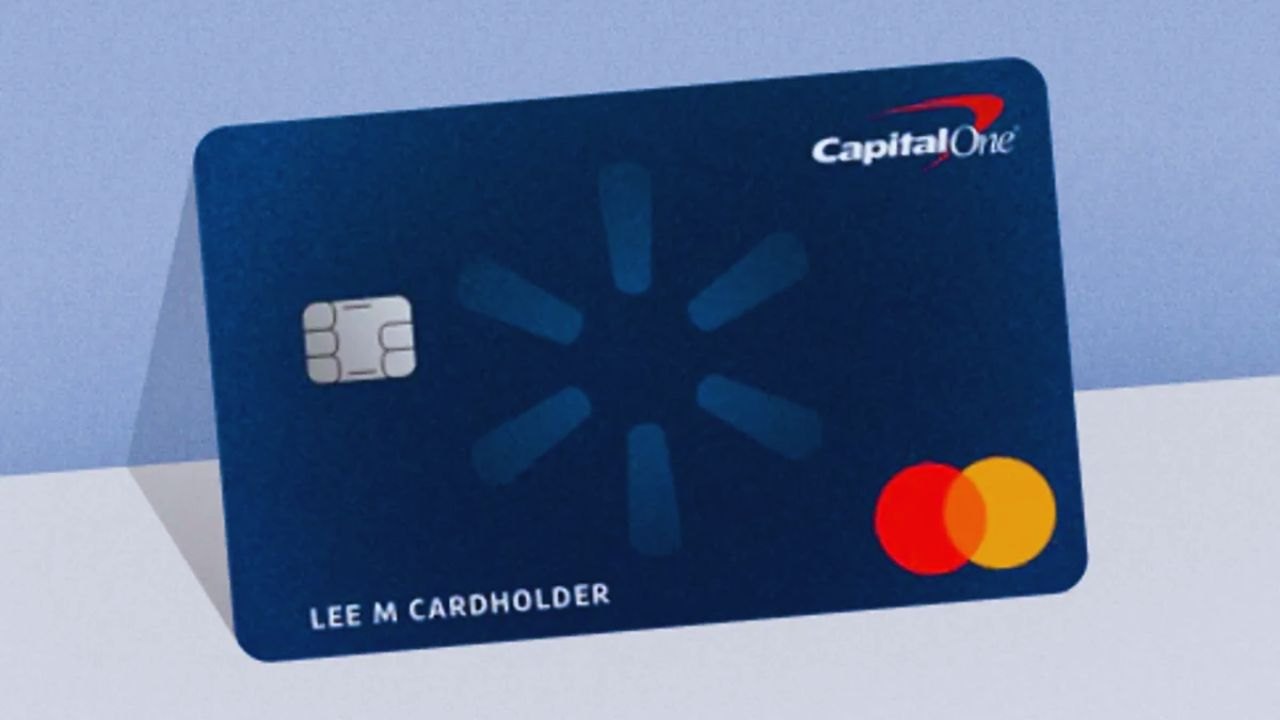
The Walmart Credit Card is issued by a partner bank and tied directly to Walmart shopping.
There are actually two main cards: the Walmart Rewards Card (often usable only at Walmart and affiliated locations), and the Capital One Walmart Rewards Mastercard, which works at any location accepting Mastercard.
For those frequently shopping at Walmart for groceries, these cards could serve as a dedicated way to collect rewards or cashback.
How the Walmart Credit Card Works for Grocery Savings
Most credit cards offer general cashback or points, but Walmart’s offering accentuates rewards specifically for purchases at Walmart stores and affiliated services, both online and in-person.
These savings models might seem modest at first glance, but for routine spending on essentials, the totals can really add up over a year. Let’s break down some relevant features.
Enhanced Cashback at Walmart.com and App
The Capital One Walmart Rewards Mastercard provides up to 5% cashback for purchases made on walmart.com, including Grocery Pickup and Delivery orders.
For those who place weekly grocery orders online, these cumulative savings can be noticeable.
In-store grocery trips typically receive a slightly lower cashback rate, but even small percentages offer consistent value over time—perhaps more than it first appears when looking at day-to-day purchases.
Additional Rewards at Walmart Stores
While the highest rates apply online, cardholders still get between 2% and 5% at Walmart stores, depending on the current offer or promotions.
There may be bonus events or seasonal promos that add short-term value, especially for big holiday shopping trips or back-to-school grocery hauls.
Savings Beyond Groceries
The card also rewards spending such as fuel at Walmart or Murphy USA gas stations (often 2%), and everyday purchases at restaurants and travel (typically 1%).
Someone who consolidates much of their spending through such a card could accumulate a surprisingly diverse pool of rewards, even if groceries are their main focus.

Key Benefits for Everyday Grocery Shoppers
There are a few specific upsides often cited by card users when it comes to grocery purchases:
- Automatic rewards activation on eligible purchases (no manual enrollment needed for the standard rates)
- The option to redeem rewards for statement credits, gift cards, or Walmart purchases
- Seamless digital integration with online grocery shopping and app-based purchases
- Potential access to exclusive cardholder events or promotional bonus periods
All these factors allow someone shopping for groceries to see a passive, ongoing benefit without changing shopping habits. Perhaps that’s the main attraction—leveraging a regular errand to slowly boost your budget’s wiggle room each month.
Who Might Benefit Most From the Walmart Credit Card?
This card appeals most directly to shoppers who split much of their grocery spending between Walmart stores, Walmart.com, and Walmart Grocery Pickup or Delivery.
Also, anyone seeking a beginner-friendly, no-annual-fee card for building credit (especially when handled carefully) may find it useful. However, if someone rarely shops at Walmart, the specialized benefits may be less impactful compared to a generalized cashback card.
Potential Drawbacks
No credit card is one-size-fits-all. While the Walmart Credit Card is straightforward, its best rates are limited to Walmart.
Rewards for purchases elsewhere sit at the industry-standard 1%, which might lag behind premium travel or generic cashback cards.
Additionally, carrying a balance could easily offset rewards if interest charges build up—perhaps an often-overlooked downside when considering the overall value proposition.
How to Apply for the Walmart Credit Card
The application process typically takes a few minutes, whether online, via the Walmart app, or in-store. Applicants need to be at least 18, present a steady income, and meet the credit check requirements from the issuing bank.
Personal identification and a valid Social Security Number are mandatory. Approval is usually quick, and there’s the possibility of instant card access for online shopping even before the physical card arrives.
Tips for Using the Walmart Credit Card Wisely
The potential for savings is closely tied to responsible use. A few ideas worth considering:
- Avoid carrying a monthly balance if possible, since interest could outpace any cashback earned
- Double-check if groceries are categorized as eligible for higher cashback tiers in your local Walmart
- Regularly review monthly statements to track accumulated rewards and look for bonus events
- Keep an eye on credit score monitoring tools offered through the card portal—many find this feature useful for long-term financial health
- Consider automatic payment setups to prevent missed due dates or unnecessary fees
Habitually reviewing your spending patterns may help maximize benefits, but also clarify whether rewards are truly meaningful compared to other card options.
Sometimes, it’s easy to overestimate returns in the excitement of initial offers—realistically, most families see the biggest impact over several months of regular grocery trips.
Comparing the Walmart Credit Card to Other Grocery Rewards Cards
Several retailers offer branded credit cards with grocery savings at the core. How does Walmart’s option differ?
Exclusive Focus on Walmart Purchases
Unlike general cards with grocery categories (like the Blue Cash Preferred from American Express or Chase’s Sapphire designs), Walmart’s savings are tightly connected to the Walmart ecosystem.
Someone whose main grocery store is a competitor may find broader rewards elsewhere. However, Walmart’s online/app cashback is one of the highest rates for branded cards.
No Annual Fee Advantage
The lack of an annual fee puts the Walmart cards ahead of some premium cashback cards (which may also require higher yearly spending to recover the yearly fee with rewards).
This zero-fee structure is attractive for more cautious or budget-conscious shoppers.
Simple Redemption Options
Redeeming points or cashback directly for Walmart purchases, statement credits, or gift cards reduces the friction that sometimes comes with more complicated rewards platforms.
Legal and Tax Considerations
It’s important to mention that, generally, rewards and cashback earned from spending are not considered taxable income in the U.S. (unless acquired through a business account).
However, special promotions or sign-up bonuses that don’t require a purchase may be categorized differently in rare circumstances.
Reading the issuing bank’s fine print can clarify questions about eligibility or limitations, especially if using the card for mixed business and personal spending.
Is the Walmart Credit Card Right for You?
Deciding if a Walmart Credit Card fits your lifestyle takes some reflection. If Walmart is already a major part of your grocery routine, collecting rewards on repeat purchases can, perhaps, feel surprisingly rewarding after a few months.
On the other hand, those who prefer shopping at multiple grocery chains, or value travel or entertainment benefits more highly, might find the rewards limited.
In truth, many shoppers hold multiple cards—using each for its strongest category and tracking returns periodically.
Conclusion
The Walmart Credit Card can help regular shoppers manage grocery costs more strategically when used for planned purchases and everyday essentials.
Its real value comes from tracking spending, using available rewards wisely, and avoiding unnecessary balances. With responsible habits, it can support a cleaner food budget and make routine grocery trips more rewarding.
Note: There are risks involved when applying for and using credit. Consult the bank’s terms and conditions page for more information.