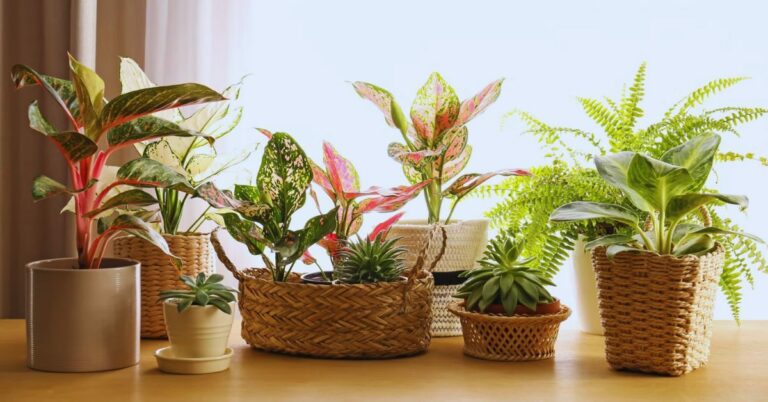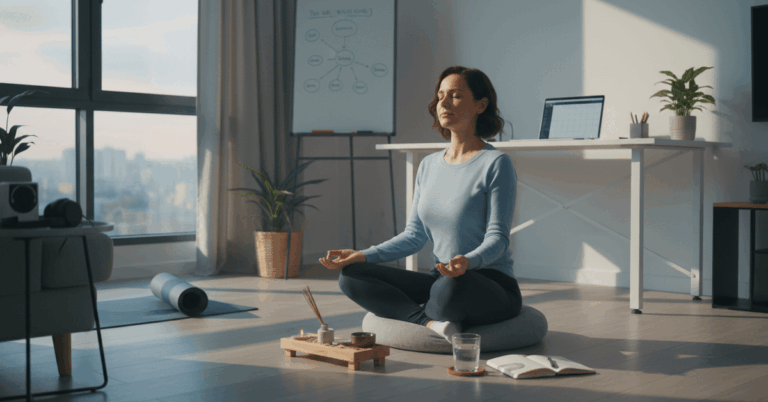
Minimalism seems to be popping up everywhere these days. In a world filled with constant hustle, endless notifications, and clutter — both physical and digital — the minimalist lifestyle offers an alternative.
Many people wonder if living with less actually means having more peace, time, and clarity. For those curious about minimalism, this guide provides an educational overview, practical suggestions, and tips for getting started.



Perfect for individuals seeking better focus, calmer spaces, or simply a sense of freedom from excess. Whether already downsizing or just considering it, there’s something here for everyone interested in the minimalist approach.
What Is Minimalism? Understanding the Basics
Minimalism is more than just owning fewer things. It’s a mindset focused on identifying what matters most and letting go of distractions.
Some people picture white rooms and bare shelves when they hear the word, but minimalism varies a lot from person to person. It does not necessarily mean living out of a suitcase.
In truth, it’s about making conscious choices about consumption, space, and even information overload.
This lifestyle shift can feel strange at first. Maybe a little daunting too. Not everyone is ready to part with their stuff, and that’s understandable. Still, even small steps toward minimalism may offer relief from clutter and mental fatigue.
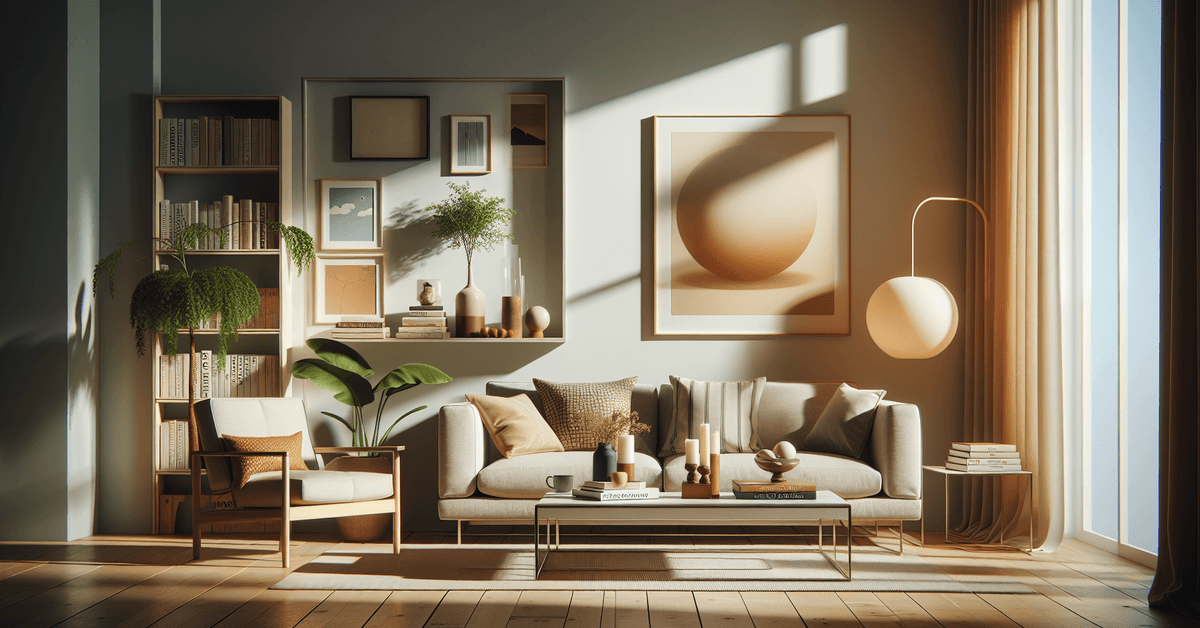
Why Consider Minimalism? Key Benefits Explained
Reduce Stress and Overwhelm
Busy lives often create crowded environments—both at home and in the mind. Less clutter can make surroundings calmer, which, perhaps surprisingly, seems linked to lower stress. Fewer things mean less to organize or worry about.
Financial Freedom
By purchasing only essentials, many discover that expenses decrease. Sometimes, this results in saved money or even reduced debt over time, just by opting out of trends and impulse buys.
Improve Focus and Productivity
Minimalist spaces, often with fewer distractions, may help sharpen concentration. A tidy workspace makes it easier to work or study, and some say it’s easier to find inspiration too, though everyone’s different.
Environmental Impact
Choosing to own less typically means buying less, which could benefit the planet. Minimalism can align with eco-friendly practices, such as reusing, recycling, or donating unused goods. It’s not a catch-all solution, but it’s a step.
How to Begin a Minimalist Journey: Step-by-Step Suggestions
Start Small and Stay Patient
The idea of clearing everything out at once seems overwhelming. Instead, starting with one drawer or shelf can be effective. Making it a gradual process helps avoid burnout or regret.
Assess What Brings Value
Some find it helpful to pick up each item and ask, “Does this really add value to my life?” Honestly, it’s not always a quick answer. Sentimental things feel tough to let go of; that’s quite normal. There’s no rush.
Organize in Categories
Tackling categories—such as clothes, books, or kitchen items—offers structure. Deciding item by item rather than room by room sometimes feels more manageable.
Focus on Quality Over Quantity
Minimalists often talk about choosing well-made, versatile objects. If something serves several purposes or lasts longer, it may be preferable to owning many similar items.
Re-evaluate Regularly
Over time, what’s useful or meaningful might change. Occasionally revisiting spaces can help keep clutter in check. It’s a flexible approach rather than a one-time event.
Common Minimalist Myths
Minimalism Is Only for the Wealthy
This perception isn’t entirely accurate. Minimalism isn’t about buying expensive things, but rather thinking carefully before making purchases. In many cases, it can actually save money in the long run.
It Means Giving Up All Luxuries
That’s not quite true. People practicing minimalism usually keep what they genuinely enjoy. For example, some might limit decor but still have cherished art or cozy throws at home. It’s about intentionality, not deprivation.
Minimalist Spaces Feel Cold or Boring
The stereotype of stark, empty rooms can be misleading. Many create warm, welcoming spaces with fewer but more meaningful objects. Color and comfort aren’t excluded from a minimalist lifestyle.
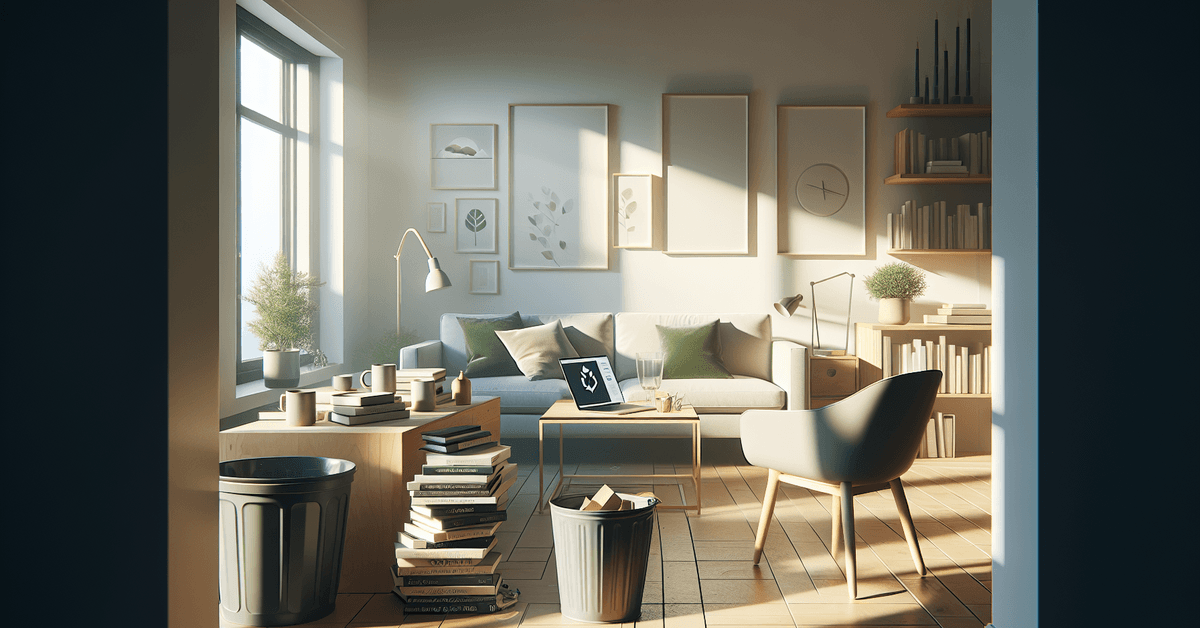
Practical Tips for a Minimalist Lifestyle
- Declutter digitally by managing email inboxes and photos alongside physical possessions
- Establish daily or weekly routines to tidy up and avoid new clutter
- Apply the “one in, one out” rule (add something only when removing something else)
- Share extra belongings with friends, family, or through donation drives
- Create zones at home—spaces dedicated to specific uses—which can clarify what’s essential in each
Challenges and How to Address Them
Dealing with Sentimental Items
Letting go of keepsakes is hardly easy. Some choose to photograph items before parting with them, keeping a memory without the physical object. Others limit sentimental items to a small box or shelf.
Handling Family or Roommate Dynamics
Minimalism can get tricky when living with others. It often helps to set examples rather than expectations. Start with personal spaces first instead of suggesting changes for shared areas without discussion.
Resisting New Purchases
Resisting the urge to buy becomes easier with practice, but it’s normal to struggle, especially during sales or holidays. Creating a wish list and waiting a few days before making a purchase might help weed out impulse buys.
Incorporating Minimalism Beyond the Home
Minimalist principles extend beyond just stuff. One can also apply these ideas to:
- Time management (committing only to meaningful activities)
- Media consumption (limiting notifications and focusing on quality content)
- Work habits (prioritizing high-impact tasks over busyness)
The journey doesn’t look the same for everyone, and that’s okay. Some changes feel instant; others settle in slowly. Occasionally, it may even be tempting to revert, and that’s part of the process.
Long-Term Minimalism: Sustainability and Growth
Building Lasting Habits
Forming habits around mindful consumption and organized living often takes time.
Some might notice they accrue less over the years, while for others, the change happens with ups and downs. Celebrating small victories—however minor—can be motivating.
Minimalism as a Life Philosophy
Beyond the practical advantages, many discover that minimalism aligns with values like generosity, gratitude, and mindfulness. As with any lifestyle shift, practice and patience are essential. Goals or motivations shift, and that’s normal, too.
Legal and Safety Considerations
While minimalism itself has no legal restrictions, it’s wise to be cautious when selling or donating items. Ensuring that goods do not include sensitive information or hazardous components is smart.
For digital minimalism, regularly updating password security is also encouraged. Always discard electronics and batteries responsibly, following local recycling rules.