Finding the best houseplants can feel overwhelming, whether it’s your first time bringing greenery indoors or you’re simply looking to refresh your space.
A quick glance at social media and it’s obvious—plants have become more than just decor. They’re now seen as mood boosters, air purifiers, and even style statements.



This article explores the five top plants to keep at home, focusing on choices suitable for beginners and busy lifestyles. These plants are perfect for anyone who wants to enjoy beauty, cleaner air, and a calmer ambiance—all without becoming a full-time gardener.
Why Choose Houseplants? Health Benefits and More
Indoor plants can offer more than just aesthetic appeal. Studies suggest they may improve air quality, reduce stress, and create a more restful living space.
For many, the idea of nurturing a plant might seem intimidating, but with the right selection, almost anyone can succeed.
Air Quality Improvements
Certain houseplants are known to help filter air toxins like formaldehyde and benzene. While it’s less dramatic than some headlines claim, having greenery indoors can still play a modest role in creating a fresher atmosphere.
Mental Well-being
Simply having a touch of nature at home might support mental wellness. Some people report that caring for plants offers a soothing break from the demands of daily routine. It’s not a universal cure, but there’s something grounding about the process.
Design and Decor
From classic ferns to bold snake plants, the right greenery can enliven a room. Many homeowners enjoy experimenting with plant arrangements as a form of self-expression. It’s not always about trends—personal taste counts, too.
Top 5 Easy Houseplants for Any Home
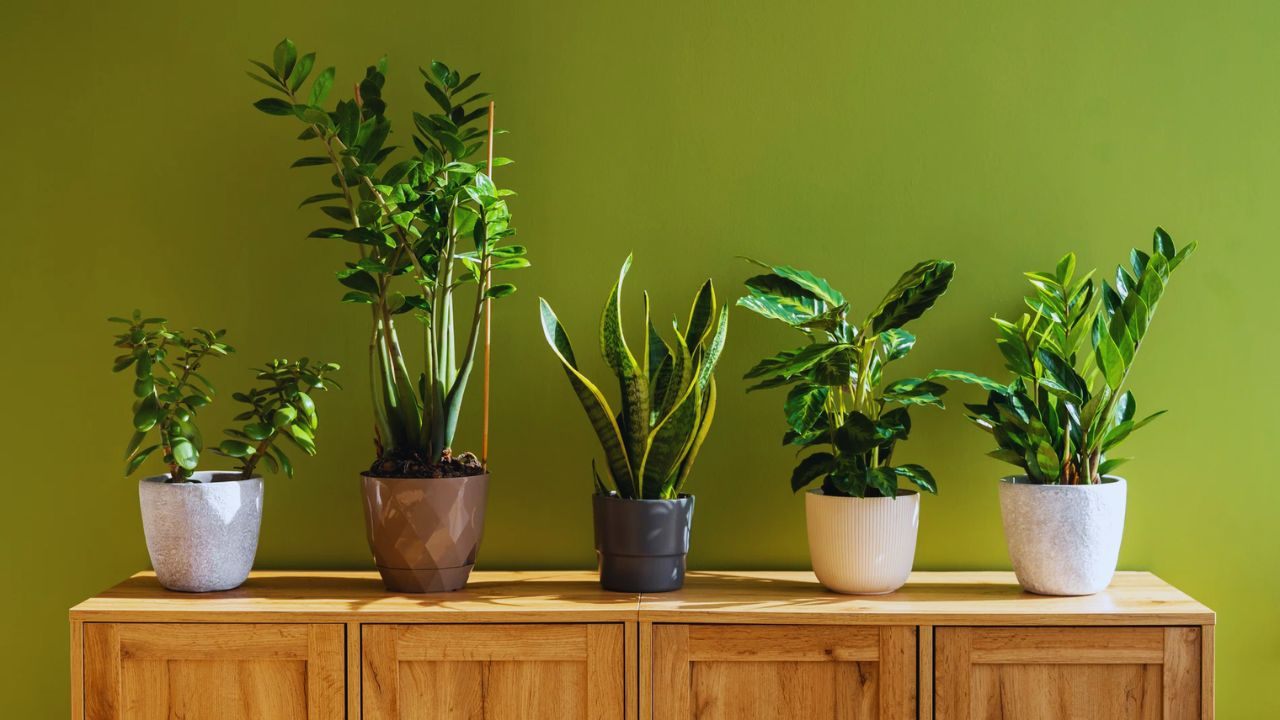
The plants below are chosen for their adaptability, ease of care, and visual appeal. Most can thrive with minimal attention, making them great options whether you’re working long hours or occasionally forgetful.
1. Snake Plant (Sansevieria)
Often called the “Mother-in-Law’s Tongue,” the Snake Plant is among the most forgiving of all houseplants. Its upright, sword-shaped leaves have a modern look and can handle both low and bright light.
- Water: Infrequent—these plants prefer to dry out between waterings.
- Light: Handles low to bright indirect sunlight.
- Air Purifying: Listed by NASA as a helpful air-cleaner.
This is also a popular choice for offices because it hardly complains about neglect. Some people keep them in bedrooms for a touch of green; others experiment with unique pots to add character.
2. Pothos (Epipremnum aureum)
Sometimes described as nearly impossible to kill, Pothos is well-loved for its trailing vines and heart-shaped leaves. It works perfectly in hanging baskets or on top of shelves, cascading elegantly over the edges.
- Water: Prefers soil to dry out somewhat between waterings.
- Light: Thrives in low to medium light; avoids direct sun.
- Maintenance: Great for propagation (just snip and root in water).
Pothos comes in several varieties, from golden to marble queen. Growing a few different kinds together offers texture and a bit of visual interest, especially if you’re decorating a living room or kitchen.
3. ZZ Plant (Zamioculcas zamiifolia)
The ZZ Plant stands out for its waxy, oval leaves and ability to withstand seriously low light and irregular watering. It tends to stay green and healthy even in less-than-perfect conditions.
- Water: Let the soil dry almost completely between soaks.
- Light: Works in shady corners as well as brighter spots.
- Resilience: Handles forgetfulness surprisingly well.
Some say it’s nearly as independent as a fake plant, except this one is truly alive. The slow growth can make it a lasting feature in both small apartments and roomy homes.
4. Spider Plant (Chlorophytum comosum)
With its arching, ribbon-like leaves and baby “spiderettes,” the Spider Plant is both whimsical and functional. It’s recognized for easy care and rapid multiplication, providing a chance to share plants with friends.
- Water: Allow soil to partially dry; more forgiving of occasional thirst.
- Light: Best in bright, indirect sunlight, but tolerates shade.
- Air Cleansing: Known to help absorb indoor pollutants.
If allergies are a concern, this is one of the gentler choices to consider. Oddly enough, some people say the plant thrives better after being forgotten for a week or two.
5. Peace Lily (Spathiphyllum)
For those who prefer a flowering option, Peace Lily brings white blooms that contrast with its deep green leaves. Although a bit more sensitive to neglect, it signals when it needs water by slightly drooping its leaves—a helpful touch for beginners.
- Water: Likes moist soil but avoids sogginess.
- Light: Flourishes in medium, filtered light; too much sun can scorch the leaves.
- Air Quality: Listed for removing common toxins from indoor air.
One word of caution—peace lilies are toxic if consumed by pets or children. Place them thoughtfully out of reach, especially if you have curious household members.
What Should You Consider When Choosing a Houseplant?
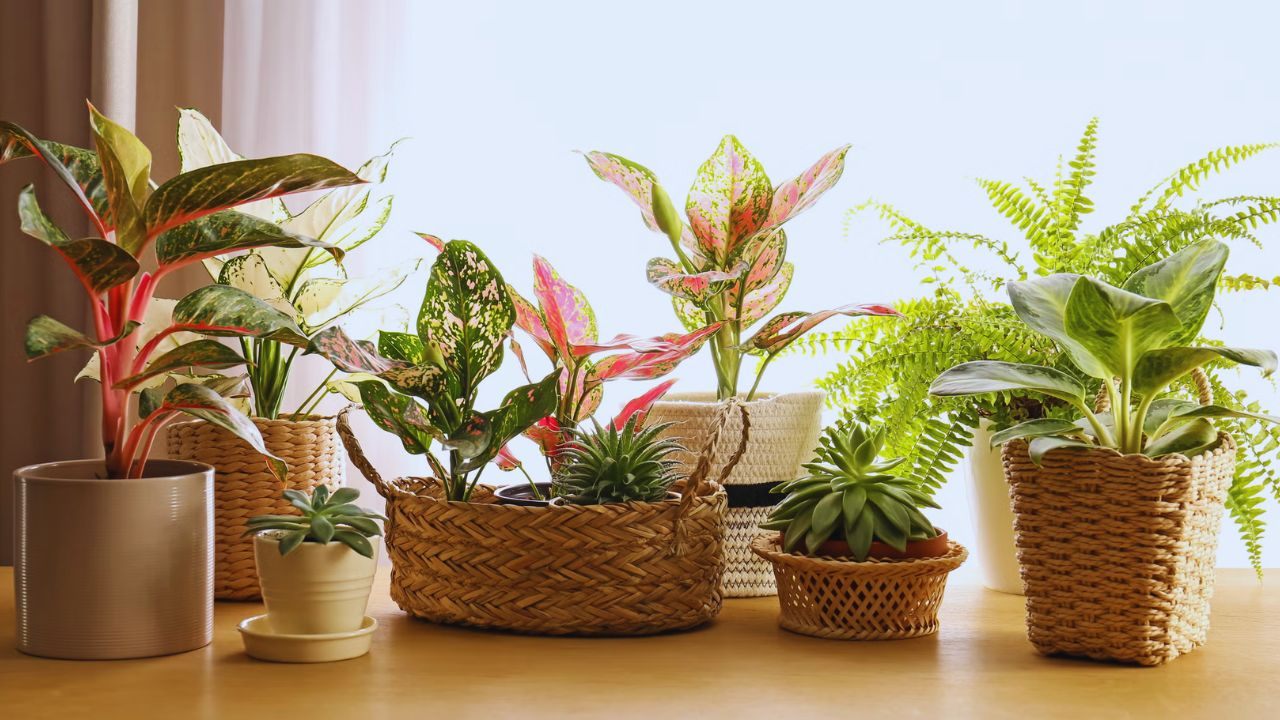
Not every plant fits every lifestyle or home design. A few questions may help you decide: How much sunlight reaches your living space? Are there pets or small children who might interact with the plants? How much time is available for upkeep?
Maintenance Preferences
If a hands-off approach suits your weekly pace, hardy choices like the ZZ Plant or Snake Plant are practical. For those willing to check soil or enjoy regular watering, the Peace Lily rewards with flowers.
Lighting Conditions
Low-light homes benefit from darker green foliage—plants like Pothos and ZZ Plant tend to do well here. East-facing windows, for instance, bring soft light ideal for a wider variety of options.
Space and Style
Apartment dwellers or those with compact rooms might favor vertical plants or trailing vines. There’s satisfaction in finding that sweet spot—where a plant fits seamlessly into both the environment and daily life.
Frequently Asked Questions About Houseplants
Are Houseplants Safe for Pets?
Not all are pet-friendly—some can be mildly or even highly toxic if chewed. Researching each species before purchase is a safe bet, especially with cats or dogs around.
The American Society for the Prevention of Cruelty to Animals (ASPCA) maintains an updated list of toxic and non-toxic plants.
What’s the Easiest Plant for Absolute Beginners?
For pure simplicity, the Snake Plant often tops lists. It manages on little attention, endures a range of light conditions, and seldom suffers pest problems.
How Often Do Indoor Plants Need Water?
No rule fits all. Some plants thrive when their soil dries out almost completely; others like steady moisture. Most thrive when soil is checked weekly, adjusting frequency as conditions change.
Do Houseplants Attract Pests?
While unusual, it’s possible for indoor plants to draw gnats, mites, or aphids. Good airflow and careful watering usually prevent these issues, but occasional inspection helps catch small problems early.
Conclusion
Discover five easy-care houseplants that can refresh your space, improve indoor comfort, and add natural beauty to your home without requiring complicated maintenance or expert gardening skills.