Stress and anxiety seem almost unavoidable these days. With deadlines, family commitments, and everyday worries, it’s easy to feel overwhelmed. Anyone navigating modern life can face these feelings.
But learning practical ways to manage stress and anxiety brings more stability, even on challenging days. For those seeking simple solutions that fit into busy schedules, this article offers insights, reassurance, and hope.



Why Stress and Anxiety Happen in Daily Life
Understanding what causes stress and anxiety helps build self-awareness. Maybe it’s a demanding workplace, uncertainty about the future, or balancing too many roles at once.
For some, stress appears during major life changes; for others, it stays as a background hum. These feelings aren’t always obvious—sometimes they creep up slowly, influencing thoughts or decisions in subtle ways.
Common Everyday Triggers
- Work-related pressures and deadlines
- Family obligations and responsibilities
- Financial concerns, big or small
- Unexpected life events or emergencies
- Health worries, either personal or loved ones’
Physical and Emotional Signs
Stress and anxiety often show up through both physical and emotional signs that can affect daily life.
Physically, you may experience headaches, muscle tension, fatigue, rapid heartbeat, or trouble sleeping. Digestive issues and changes in appetite are also common.
Emotionally, signs can include irritability, constant worry, feeling overwhelmed, difficulty concentrating, and mood swings. Some people may withdraw socially or feel a sense of unease without a clear reason.
When these symptoms persist or intensify, they can impact productivity, relationships, and overall wellbeing, making it important to recognize them early and take steps to manage stress effectively.
When stress is rising, finding quick ways to cope often helps. Not every method works for every person. It can help to explore a few and notice which make a difference, even if only a small one. Sometimes, simple techniques provide significant relief.
Mindful Breathing Exercises
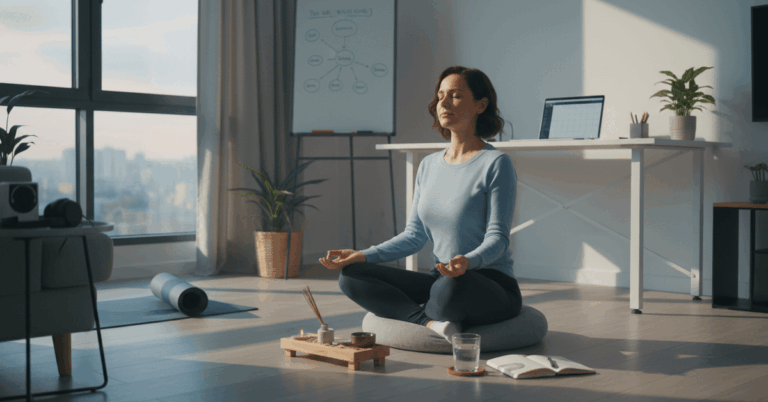
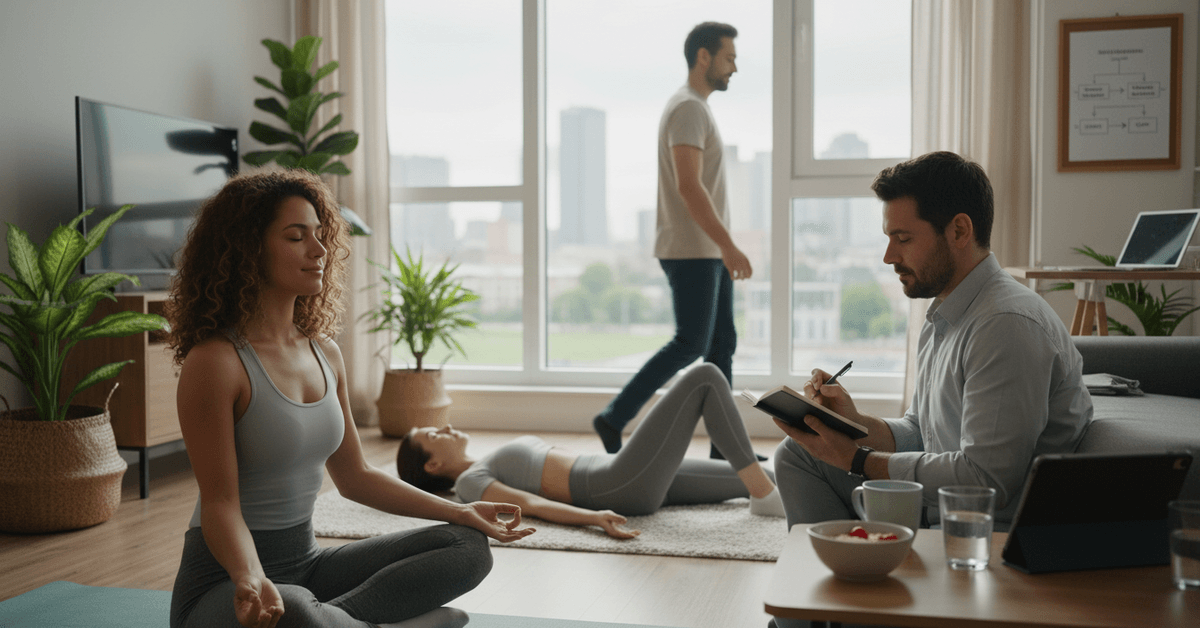
Deep, intentional breathing calms the body’s stress response. You might hear people call this “box breathing” or “4-7-8 breathing.”
By focusing on slow inhales and exhales, the mind sometimes slows too. Even just a minute or two of mindful breathing can bring clarity in a busy moment.
Taking Short Walks
Stepping away from your desk, even briefly, resets both body and mind. A short walk outside might change the way a problem feels—sometimes a different perspective emerges after moving.
If outdoors isn’t possible, walking through another room may still help.
Progressive Muscle Relaxation
This technique asks you to tense, then slowly relax, groups of muscles. Many people find this helps them notice how much tension is held unconsciously. Some prefer to start at their head and move down, others begin at their feet. Both ways can be effective.
Building Lasting Habits for Anxiety Reduction
Quick fixes can interrupt the cycle of stress, but ongoing habits make the greatest long-term impact.
Building these routines may feel challenging at first, but the benefits often increase over time. Plus, habits like these fit various lifestyles, making them easier to maintain.
Establishing a Routine
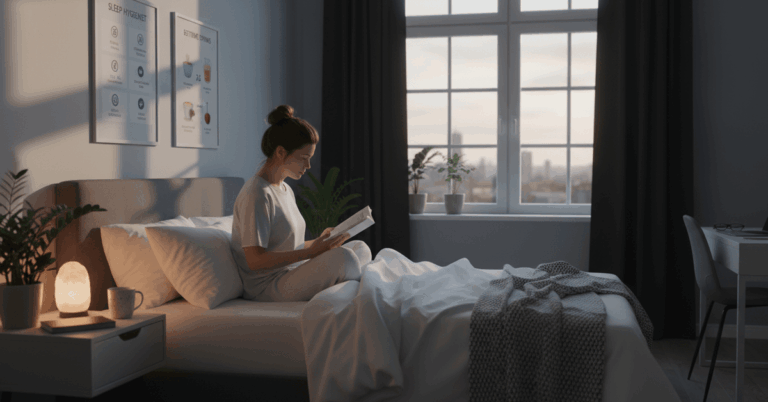
Routines create predictability, which the mind finds comforting. Maybe it’s a morning ritual of tea and journaling, or a set bedtime. Some advocate for detailed schedules, but even loose frameworks help reduce uncertainty and keep anxious spirals in check.
Physical Activity and Movement
Regular movement—whether it’s exercise, gentle stretching, or casual dancing at home—releases endorphins, which are natural mood boosters. Not everyone enjoys the gym; a daily walk with a pet, or even gardening, counts too. Variety can keep it enjoyable.
Limiting Stimulants and Unhealthy Habits
Sometimes, caffeine or too much screen time exacerbates anxious feelings.
While it’s not always realistic to cut these things entirely, small adjustments may have a meaningful impact over days or weeks. Trying herbal teas, or setting device “downtime” periods, can be a place to start.
Simple Mindfulness Practices for Everyday Calm
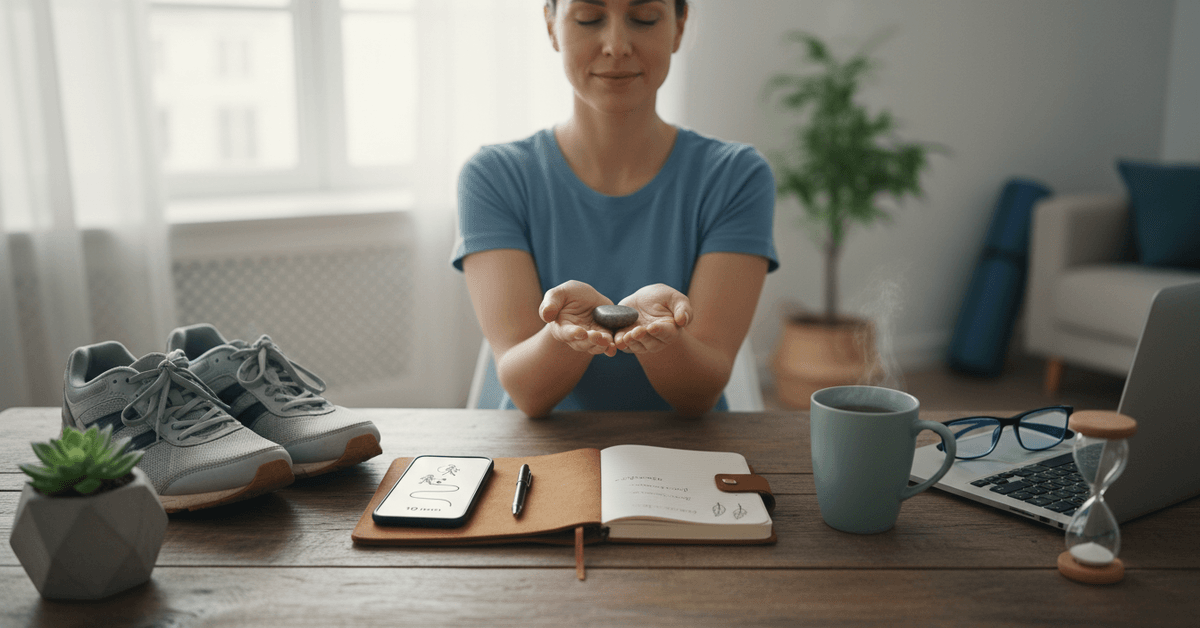
Mindfulness isn’t just meditation—it’s any act of paying attention on purpose, often with kindness toward yourself. There’s no one “right” way; some methods feel awkward at first, but become easier with practice. The key is consistency, not perfection.
Mindful Eating
Slowing down during meals, noticing flavors, textures, and hunger cues, sometimes grounds the mind in the present. Even one mindful bite or sip per day builds this skill. Surprisingly, it might make meals feel more satisfying and less rushed.
Gratitude Journaling
Listing a few things you’re grateful for—even if they’re tiny—has been linked to lower anxiety levels. Some days, this feels forced, but over time, focusing on small positives can shift perspective. A notebook or notes app both work well.
Body Scan Exercises
Gently bringing attention to each part of the body, noticing sensations without judgment, can soothe stress. Sometimes, a guided audio helps. Other times, closing your eyes and scanning on your own feels enough.
When Professional Help May Be Needed
Everyone feels stressed or anxious sometimes. However, if these feelings last for weeks, disrupt daily life, or cause significant distress, professional support can make a real difference. There’s no shame in needing help—if anything, it shows strength to reach out.
While occasional stress and anxiety are normal, persistent or overwhelming symptoms may signal the need for professional support.
If worries interfere with sleep, work, relationships, or daily functioning, it may be time to consult a licensed therapist, psychologist, or healthcare provider. Physical symptoms such as constant fatigue, panic attacks, or difficulty concentrating should not be ignored.
Seeking help early can prevent symptoms from worsening and provide effective coping strategies tailored to your situation.
Professional guidance often includes therapy, lifestyle adjustments, or medical support, helping you regain control, improve emotional balance, and build long-term resilience for a healthier, more stable life.
- Ongoing sleep troubles
- Persistent sadness, hopelessness, or irritability
- Difficulty functioning at work or home
- Thoughts of self-harm or hopelessness
Local healthcare providers, national helplines, and online counseling services offer confidential support. Looking for a licensed therapist doesn’t mean you failed at managing stress; sometimes, extra support is just what’s needed.
Conclusion
Learn quick, practical ways to manage stress and anxiety, build calming routines, improve focus, and apply simple techniques you can try today to feel more balanced and in control daily.