
Quality sleep isn’t just a luxury—it’s one of the essential pillars supporting overall health. Many adults occasionally find themselves tossing and turning into the early hours, unsure why true rest escapes them.
For busy professionals, parents juggling tasks, or anyone aiming to feel more energetic and healthy, focusing on better sleep might be transformative.



Understanding a few actionable, research-backed tips could steer anyone toward more peaceful nights and vibrant days.
Why Prioritizing Better Sleep Matters for Health
Modern lifestyles often blur the line between day and night; screens, work demands, and endless activities squeeze precious hours of rest. Studies suggest that adults generally need seven to nine hours, but actual sleep needs may differ.
Perhaps surprisingly, slightly increasing sleep duration, even by 20 or 30 minutes, could make a noticeable difference in mood, clarity, and physical wellbeing.
Connection Between Sleep and the Immune System
Periods of adequate sleep encourage immune cells to function optimally. People who skimp on rest are reported to face more frequent colds or other infections.
There’s growing evidence that even minor disruptions in rest patterns can lead to immune changes, but regaining balance might not take long if better habits emerge.
Sleep’s Role in Mental Focus and Mood
Common complaints like sluggish mornings, irritability, or brain fog are often linked to poor sleeping patterns. A restful night enhances the brain’s ability to form memories, make clear decisions, and manage daily stress effectively.
That’s not to say a single night of bad sleep will unravel everything, but repeated disruptions sometimes build up over time.
Practical Tips to Improve Sleep Quality
It’s not uncommon to wonder which habits truly influence sleep. Not all advice works for everyone, but incremental shifts could result in tangible improvements.
Keeping Consistent Sleep and Wake Times
Shifting bedtime drastically each night may confuse the body’s natural rhythms. Consistency tends to condition the brain for relaxation as the same hour approaches.
While some variability is normal—occasional late nights happen—most experts suggest aiming for a regular schedule when feasible.
Designing a Restful Sleep Environment
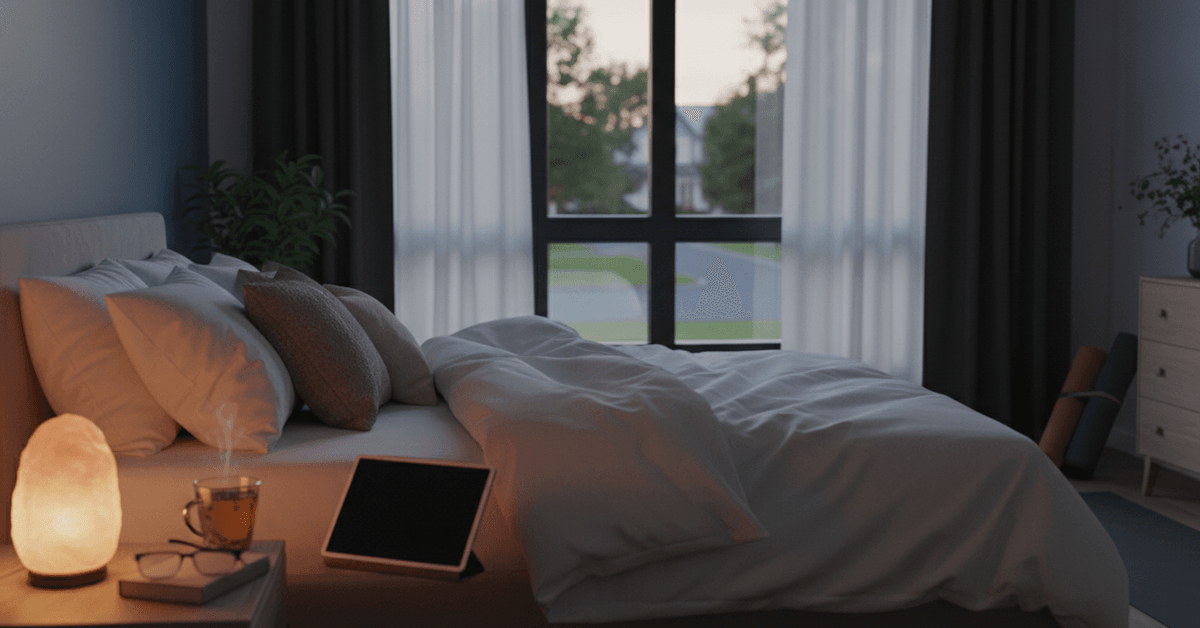
The ideal bedroom is dark, cool, and quiet. Simple actions like dimming lights an hour before sleep or investing in blackout curtains could reduce restlessness.
Noise-cancelling devices or white-noise apps help mask disturbances that wake light sleepers. Sometimes, removing electronic devices entirely may enhance the sensation of calm.
Being Mindful With Screen Use
Blue light from phones, tablets, or computers is thought to interfere with melatonin—the hormone that encourages sleepiness.
Perhaps switching to audio-based activities, reading on paper, or using blue light-blocking settings in the evening will promote natural rest cues. It’s unrealistic to expect total technology avoidance, but minor tweaks go a long way.
Watch Food and Drink Intake Near Bedtime
People often overlook the impact of late caffeine or heavy meals on sleep. Caffeinated beverages linger for hours and may disrupt the body’s sleepy feeling. Light snacks with protein or whole grains, on the other hand, are reported to cause fewer issues.
Alcohol, while initially sedating, could fragment sleep, leaving waking periods overnight, so limiting consumption before bed is a common recommendation.
Physical Activity and Exposure to Daylight
Regular exercise may directly or indirectly make sleep more restorative. Short walks, yoga, or aerobic routines, especially completed a few hours before bed, encourage tiredness without overstimulating the system.
Morning or afternoon sun exposure helps calibrate the body’s internal clock (circadian rhythm), possibly signaling when it’s time to wind down at night.
Addressing Common Sleep Challenges
Persistent difficulty sleeping may sometimes indicate underlying issues. While many see improvement with lifestyle shifts, sleep disorders, stress, or anxiety might require professional support.
Stress, Anxiety, and Racing Thoughts
Nights filled with restless thinking or emotion can keep the mind active when it should relax. Techniques like deep breathing, gentle stretching, or jotting concerns in a journal might settle nerves for some individuals.
There are also sleep-focused mindfulness routines and relaxation podcasts tailored for guided wind-downs.
Occasional Insomnia: When to Seek Help
A little trouble falling asleep now and then is normal, especially during big life changes. However, repeatedly struggling for weeks could be a sign to consult a healthcare provider or sleep specialist.
There’s no shame in seeking support; many find relief through simple therapies or tailored guidance.
Healthy Habits That Complement Better Sleep
Sometimes, focusing only on sleep itself isn’t enough. Broader healthy routines—like balanced meals, moderate caffeine, and stress management—tend to reinforce more peaceful rest.
Ideas for Bedtime Routines
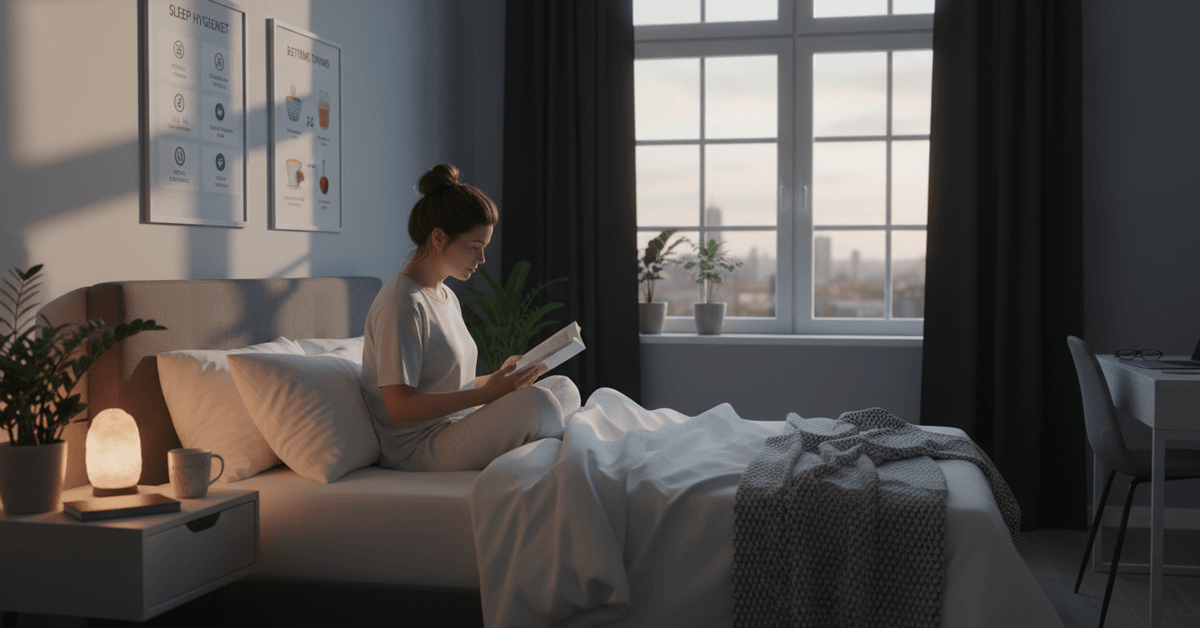
- Enjoying a warm herbal tea (caffeine-free) an hour before bed
- Gentle stretching or slow-paced yoga sequences
- Reading or listening to calming music instead of scrolling
- Taking a warm shower or bath to encourage body temperature drop
Reducing Stimulants and Large Meals at Night
Many adults underestimate the effect of sugar, spicy food, or rich meals taken late in the day. Often, a lighter dinner and saving desserts for earlier may ease digestion and set the stage for smoother sleep transitions.
When Medical Guidance Becomes Important
Some insomnia cases are linked to breathing disorders, persistent pain, or mental health conditions. Consulting a healthcare professional is advisable if daytime function feels impaired or sleep seems persistently elusive.
Sleep studies or medical assessments help rule out issues such as sleep apnea or restless leg syndrome. Early intervention might prevent long-term exhaustion and its health impacts.
Additional Resources for Sleep Education
Resources from organizations like the Sleep Foundation and the American Academy of Sleep Medicine provide education and tips. Local clinics or primary care doctors can also direct to trusted materials or offer sleep hygiene workshops.
Building a Personalized Path Toward Better Sleep
No two routines are identical. Small experiments—maybe using a sleep diary, shifting mealtimes, or adding simple pre-sleep rituals—could guide anyone toward what works best.
Sometimes improvement is gradual, and celebrating minor successes may keep motivation high. Over time, steady progress might make restful nights the norm rather than an exception.
Conclusion
Improve sleep quality with simple habits, create a calming routine, manage stress effectively, and support overall wellbeing to enjoy restful nights and feel more energized, focused, and balanced each day.