The food delivery market in Germany has seen rapid growth in recent years. Driven by convenience, digitalization, and changing lifestyles, this field attracts both locals and newcomers. Opportunities are broad regardless of experience level.
This article examines what it’s like to work as a food courier in Germany. It is for anyone interested in flexible jobs, students, expatriates, or those looking to supplement their income.


Understanding pay ranges, legal aspects, and top delivery apps will help you decide if this path matches your needs.
Why Food Delivery Jobs Are Popular in Germany
Food delivery roles are appealing to diverse groups. Many enjoy flexible hours alongside other commitments. Others value the chance to earn quickly with minimal entry barriers. The overall gig economy is thriving here.
Growing Demand in Major Cities
Urban centers like Berlin, Munich, and Hamburg see constant demand for convenient meal solutions. Young professionals, students, and busy families drive orders. This means steady work is available most days of the week.
Accessible Entry Level Work
Little prior experience is needed to start. Most companies allow you to apply online in minutes. Essential documents are basic, making it possible for almost anyone to join after brief onboarding.
Flexible Scheduling Advantage
Being able to choose shifts makes delivery jobs attractive to students and freelancers. Some prefer evenings or weekends. Flexibility provides options not often available in traditional employment.
Average Pay for Delivery Drivers in Germany
How much you can earn depends on several factors: city, number of hours, weather, and order volume. On average, food delivery pay is competitive with other flexible side jobs.
Base Pay & Extra Earnings
Base pay per hour typically ranges from €10 to €14 , based on platform and location. Drivers can increase earnings through tips, bonuses, and surge pricing during peak periods. Some manage even more during busy weeks.
Effect of Platform, City, and Shift
Larger cities usually bring higher order density and more frequent tips. Premium pay is sometimes available in high-traffic zones. Meanwhile, rainy weather or major events tend to boost demand.
| City | Typical Hourly Pay | Potential Extras |
|---|---|---|
| Berlin | €12–€15 | Surge pay, regular tips |
| Munich | €11–€14 | Bonuses for weekends |
| Hamburg | €10–€13 | Higher rates in rain |
Requirements to Work as a Food Courier in Germany
Most platforms list practical and legal prerequisites before onboarding new drivers. These are generally straightforward but differ slightly by company and city. Meeting them is essential for success.
- Be at least 18 years old
- Possess a valid work permit (for non-EU citizens)
- Own a smartphone with GPS capability
- Bicycle, e-bike, or scooter—car in some regions
- Valid residence registration (Anmeldung)
- Basic German or English proficiency
Some companies require short online training or an in-person session. Safety is a top priority, so road awareness and local knowledge help. Typically, required paperwork is minimal, which speeds up approval.
Top Platforms for Food Delivery Jobs in Germany
Several platforms compete across the country, each with its workflow and compensation structure. Researching your local options can affect earning potential and satisfaction. Here are some leading choices:
Lieferando
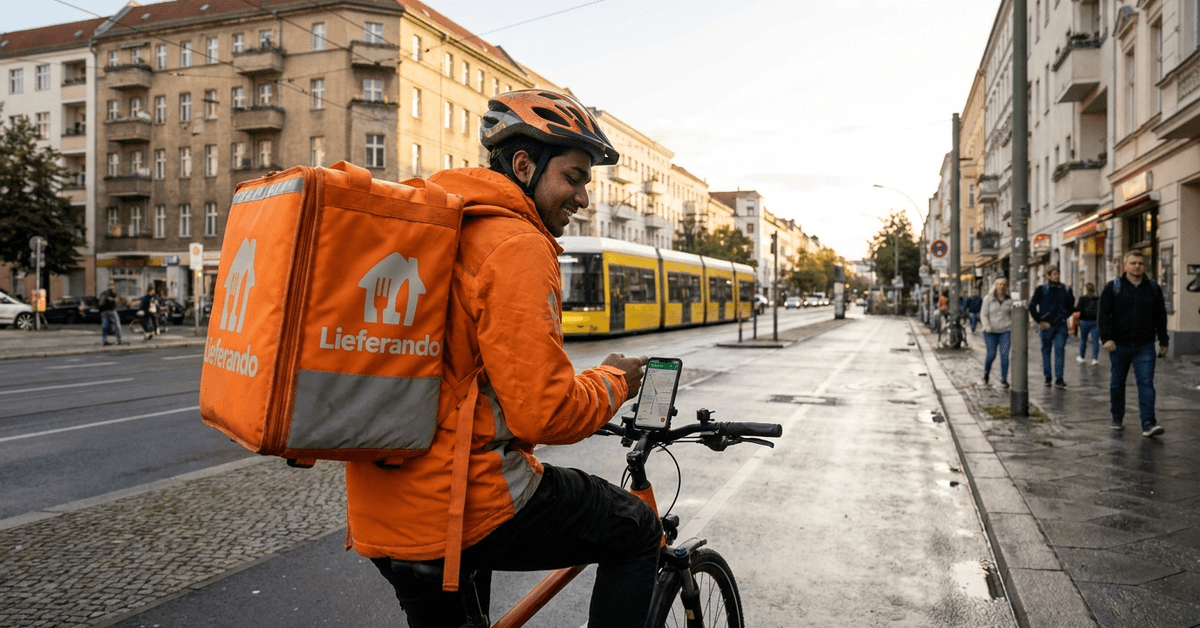
Lieferando is the best-known platform in Germany. It dominates most urban markets and offers steady work volume. Shifts are managed via their app, giving drivers control over schedules. The company provides basic safety equipment to employees.
Uber Eats
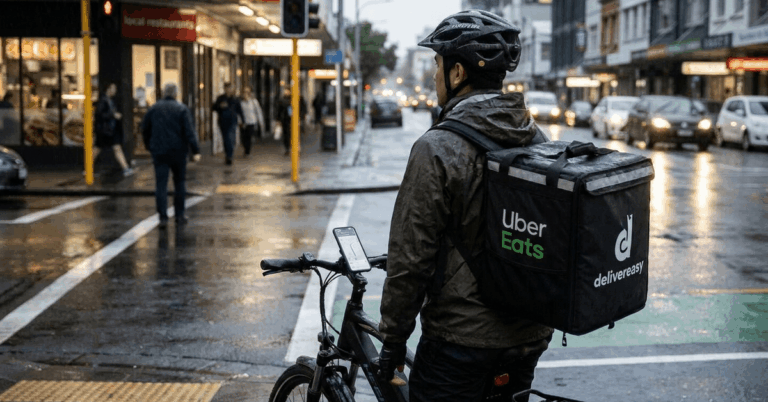
Uber Eats entered the German scene later but operates in several larger cities. Flexible sign-up, clear pay breakdowns, and surge bonuses make it a solid choice for those wanting adaptive schedules. Riders can use bikes or cars, depending on local laws.
Wolt
Wolt is a newer option, focusing initially on premium restaurant partners and central districts. Many enjoy a streamlined app and smooth customer experience. Earning structure is competitive and supports multiple shift types.
Other Notable Apps
Smaller regional services may include Flink or Gorillas in select areas. Each has its workflow, pay scheme, and focus. Sometimes, mixing platforms expands opportunities, but always review terms before signing up.
Tips for Maximizing Food Delivery Earnings in Germany
Pick the Right Shifts
Peak times—such as lunch, dinner hours, and rainy days—yield higher order volumes. Some drivers track trends or experiment with timing to uncover the most profitable windows in their city.
Maintain Service and Ratings
Good ratings from customers and on-time delivery often bring repeat incentives or late-shift bonuses. Being polite, even when weather is challenging, can result in larger tips or positive feedback from platforms.
Know Your Area
Familiarity with traffic patterns, shortcuts, and restaurant clusters can shave minutes off each trip. Over time, many couriers develop their own reliable routes for faster, more efficient deliveries.
Legal, Insurance, and Tax Considerations
Delivery jobs often involve freelance contracts, though larger platforms also offer part-time employment with basic benefits. This distinction matters for taxes and social coverage. If operating as a freelancer (Selbstständig), registration with local tax authorities is necessary.
Insurance and Protection
Employers may provide accident or third-party coverage. Freelancers should consider private insurance for bikes, accidents, and liability. Keeping personal insurance current is wise as protection gaps are sometimes overlooked.
Handling Income Tax
All earnings in Germany are subject to taxation. As an employee, taxes may be withheld. Freelancers must track income and file returns regularly. Advice from a tax advisor is usually helpful, especially for first-timers in the system.
How to Start Your Food Delivery Application in Germany
Getting started is relatively straightforward. Most applicants fill out a form, upload documents, and complete brief training online. For example, Lieferando’s official application page gives clear steps and requirements for new drivers.
Applicants are usually contacted within a week. If all documents are in order, many start delivering within days. Depending on city, bikes or scooters are the primary vehicles, though cars are valid in select areas.
Powerful Conclusion: Is Food Delivery Work in Germany Worth Considering?
Food delivery jobs in Germany offer real income, flexibility, and skill development. They appeal to those needing quick entry, steady side income, or a foothold in the local labor market.
While there are challenges—weather, taxes, and stamina—most find the experience rewarding overall.
If you value autonomy, fast-paced work, and meeting new people, this sector merits your attention. For official application details and to check current openings, reference the Lieferando sign-up page.
Taking the time to explore requirements could be your first step toward new opportunities in Germany’s growing gig economy.