Food delivery isn’t just a side gig anymore. Across the US, it’s reshaping how people earn, save, and navigate flexible work options. Whether you’re considering extra income or a more independent lifestyle, delivery jobs offer unique perks tailored for those needs.
This guide unpacks the essential facts for Americans curious about pay rates, platform differences, and what real delivery work in American cities is truly like. Thinking about joining the movement? Here you’ll find what matters most before you start.



Why Food Delivery Jobs Remain Popular in the US
Flexible schedules keep attracting new couriers year after year. For many, the ability to work on-demand and adjust hours around life’s unpredictability is unbeatable. It’s not always about the money—sometimes, it’s about control.
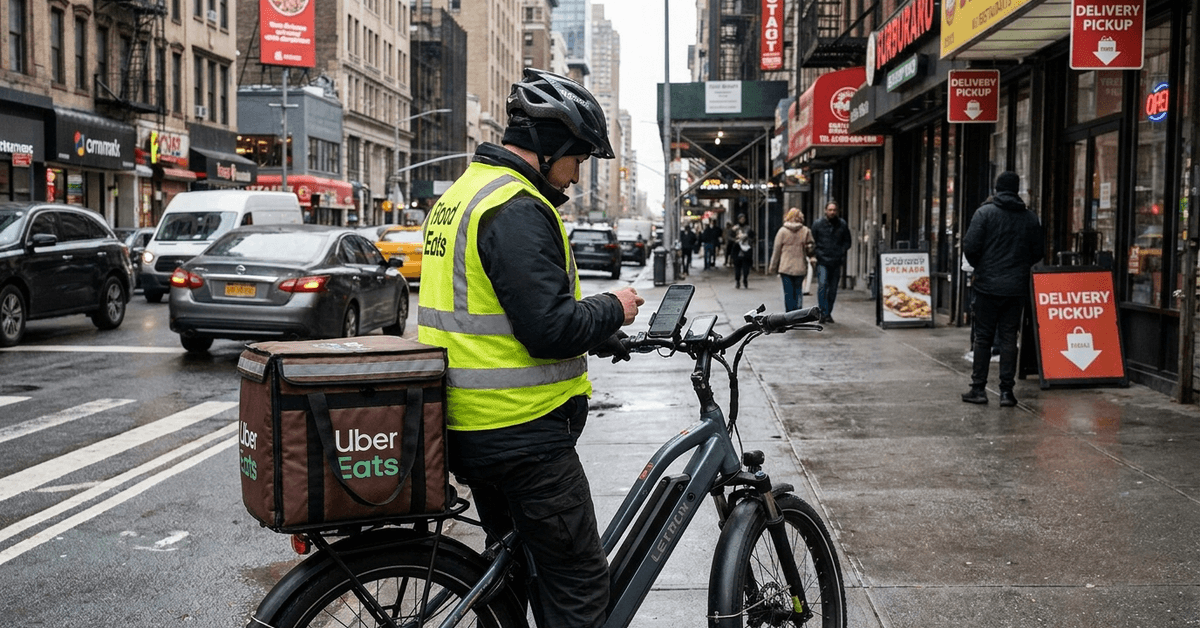
Job accessibility also drives interest since these roles don’t usually require degrees or advanced experience. Just about anyone with a smartphone and a vehicle might get started, though some requirements do vary across companies.
In cities, demand for food delivery remains steady. Restaurants, fast food chains, and even grocery stores increasingly rely on delivery apps, keeping opportunities relatively stable even when other sectors fluctuate.
Pay Expectations: How Much Can You Make?
Delivery driver earnings can vary—sometimes a lot. Factors like location, time of day, and order volume really shape weekly take-home pay. Many report average earnings between $15–$25 per hour after accounting for expenses, though some days are less predictable.
Base pay is typically a combination of mileage, time spent, and tips. Some platforms add incentives during busy hours or inclement weather, which can make a substantial difference. Urban areas, with higher order density, tend to pay more consistently.
When evaluating total income, it’s important to remember extra costs. Gas, vehicle wear, and self-employment taxes quickly add up. Calculating your real hourly rate after these expenses is often overlooked at first, but matters a lot long term.
Major Food Delivery Platforms in the US
Several national apps handle most food delivery activity. Knowing what sets them apart—and where they overlap—helps new drivers find the right fit. Here are the most prominent platforms, each with their own features and pay systems.
DoorDash
DoorDash covers thousands of US cities, from major metro areas to small towns. The app is straightforward and known for steady order availability, especially in suburbs. Drivers—called Dashers—earn per delivery, plus keep 100% of tips. Peak Pay bonuses may be offered during high demand.
To understand requirements and learn more, visit the official DoorDash application page .
Uber Eats
Uber Eats is deeply integrated with the Uber ride-sharing ecosystem. Drivers can switch between rides and food deliveries as needed, which can boost flexibility. Pay is calculated using pickup, drop-off, and mileage. Like other platforms, tips go directly to drivers without deduction.
Requirements include a background check and meeting minimum age and vehicle standards. Account setup synchronizes with existing Uber services, allowing for simple onboarding if you already drive with Uber.
Grubhub
Grubhub is another leading player, well-known across many urban and suburban regions. Their platform focuses on restaurant partnerships. Drivers can schedule blocks in advance for more predictable order flow, or pick up instant orders in real time.
Payouts occur frequently, sometimes even same day. There’s an emphasis on tipping, and transparent pay breakdowns are provided after each delivery. The interface, while sometimes a bit less flashy than newer apps, is considered stable by longtime users.
Instacart and Grocery Delivery Options
Unlike meal delivery, Instacart offers opportunities centered around grocery shopping with in-store and full-service shopper roles. Earnings here depend on batch complexity and distance between stores and homes. Tips are customary, and larger orders may pay more.
Other options, like Amazon Flex and Shipt, exist but tend to focus more on package delivery or retail runs rather than restaurant meals. Still, some drivers alternate between food and grocery platforms for extra income diversity.
Factors That Influence Your Earnings
Market size is key—denser cities generally mean more frequent, shorter trips. Suburban and rural drivers sometimes travel farther, with fewer orders per hour. Weather, local events, and holidays can cause unpredictable ebbs and flows in availability.
Platform algorithms matter too. Accepting multiple smaller orders at once (known as “batching” or “stacking”) can lead to higher hourly rates, especially during peak mealtimes. It’s a balancing act, though, since long waits at restaurants or difficult parking eat into profits.
Common Requirements for US Delivery Jobs
General Eligibility
Eligibility includes being at least 18 (or 21 in some states), possessing a valid driver’s license, and passing a background screening. Insurance in your name is almost always necessary for auto-based roles. Though some platforms allow bikes or scooters in cities, cars are preferred in less walkable areas.
Vehicle & Equipment
Each app details preferred vehicle age and type. Typical standards are not too strict, but working air conditioning and storage space for food are considered important by many drivers. A smartphone with reliable battery life is required, given the GPS and notification needs.
Onboarding Steps
The signup process usually involves uploading documents, attending an orientation (sometimes virtually), and completing your first delivery within days of approval. Some platforms facilitate direct deposit weekly, while others pay out more frequently.
Legal, Safety and Tax Considerations
Food delivery drivers are classified as independent contractors. This influences income tax responsibilities, which can be surprising for newcomers. Unlike traditional employment, taxes aren’t withheld automatically. It may be wise to track mileage, fuel, and maintenance expenses.
Drivers must maintain personal auto coverage and sometimes provide documentation to platforms. Some apps offer additional accident or liability protection when on active delivery, but it’s not a universal standard, so reading the fine print is encouraged.
Staying safe involves following local traffic laws, avoiding risky delivery situations, and keeping emergency contacts updated in your device’s app settings. Most platforms now feature in-app emergency assist buttons and location sharing for added security.
How to Apply for Food Delivery Jobs in the US
Applications are processed online. Official company websites guide users through the required checks and ID verification. The easiest way to begin with DoorDash is by visiting the official Dasher signup. Other platforms direct new drivers similarly with simple guided steps.
Conclusion: Making Sense of Food Delivery Opportunities
For many Americans, food delivery work means greater flexibility and a path to reliable income. Earnings can be solid, particularly in larger metro markets, though swings do happen.
Navigating platform differences and personal costs often shapes long-term satisfaction, more than any single pay figure. Some embrace it as a full-time gig; others appreciate a few hours a week. Either way, the options keep expanding, and opportunities remain open nationwide.
For those interested, the next steps are just a click away—though the day-to-day reality is rarely static or simple. If flexibility and the open road sound appealing, applying might be worth a closer look.