Relocating to another European country raises many questions and some anxiety. The process is exciting, but a smooth move depends on choosing the right services.
This guide is for anyone planning a cross-border move in Europe who wants to make informed, stress-free decisions.



With the right knowledge, readers can maximize value, minimize problems, and start their new chapter with peace of mind.
Understanding Cross-Border Moves in Europe
Crossing country lines in Europe means different rules, paperwork, and timelines. Unlike an internal move, there are more factors to weigh.
Perhaps more forms, language barriers, and strict customs protocols. Some moving companies specialize in these complexities and help ensure nothing vital slips through the cracks.
Why Comparing European Moving Services Matters
Moving abroad often comes with unexpected costs and potential risks. Not all providers offer the same services, insurance, or reliability.
Sometimes, budget shops look appealing upfront, but end up lacking essential safeguards. It pays to understand the full picture before settling on an offer.
Differences in Service Packages
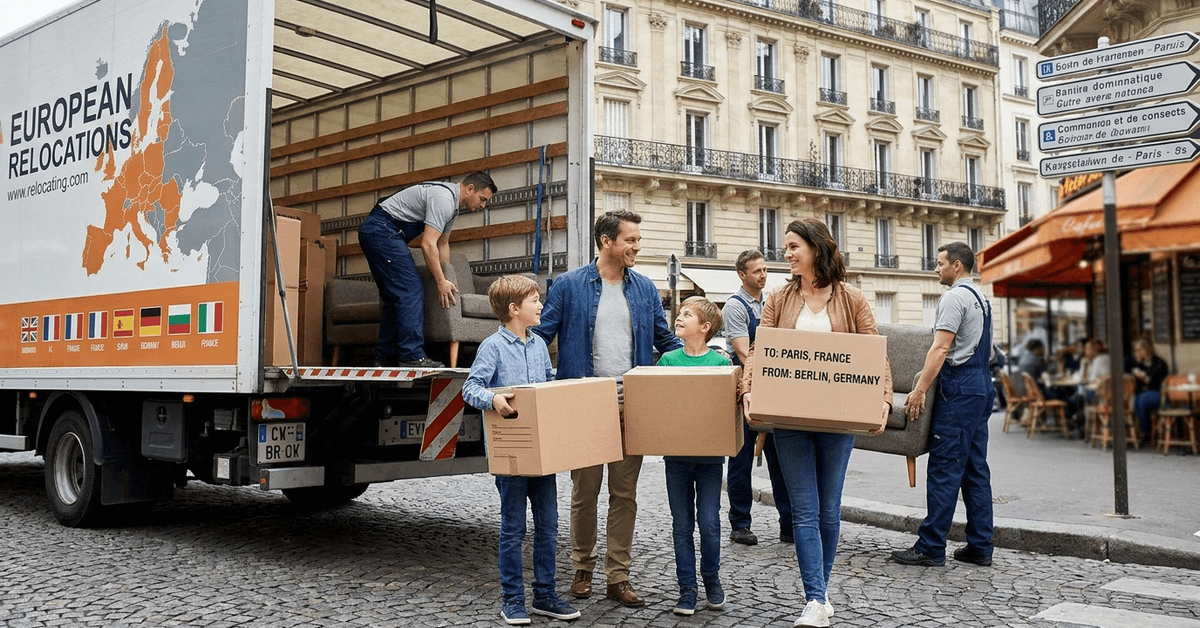
Some movers provide full door-to-door transport, including packing, loading, customs clearance, and unloading.
Others are more bare-bones, so distinct needs and budgets affect the best fit. Reviews occasionally show gaps in advertised versus actual offerings, which adds more weight to comparison research.
Insurance and Security
International moves raise questions about theft, damage, or delays. Reputable providers typically include insurance, but limits and claim processes vary.
For some, a higher upfront price means greater peace of mind if issues come up. For others, risk tolerance may guide their decision.
Key Considerations Before Selecting a Provider
The choice between transport and moving services depends on budget, needs, and timing. Price is important, but may not be everything. Timeliness, coverage, and hidden costs are too often underestimated. This section offers a decision-making framework that serves almost everyone heading abroad in Europe.
Licensing, Registration, and Official Standards
European regulations demand movers meet strict licensing and safety standards. Legitimate providers list their registration numbers and sometimes belong to the International Association of Movers (IAM) or FIDI. These memberships suggest higher accountability—perhaps that adds a layer of trust.
Experience with International Moving
Companies experienced with EU cross-border moves are familiar with customs forms, restricted items, and local regulations. Review cases highlight that inexperience sometimes delays or disrupts shipments. Checking a mover’s experience can relieve many unpredictable headaches later.
Transparent Pricing and No Hidden Fees
Initial quotes may not always include all costs like tolls, taxes, or extra labor. Sometimes, detailed itemized quotes help uncover potential surprises before any contract is signed.
Comparing Transport Options: Road, Air, and Sea Freight
European geography and varied destinations call for flexibility in shipping methods. Different approaches each offer benefits—though none is universally perfect.
Road Transport
Road freight is a top choice for moves within accessible mainland Europe. It’s fast, often dependable, and usually the most economical for mid-sized moves. For less accessible countries or large volumes, limitations may show up.
Sea Freight
Sea container shipping usually suits bulkier loads and offers better value for those not in a rush. Ports in countries like Spain, Italy, and the Netherlands are commonly used hubs. Transit times are longer but for non-urgent moves, savings may tip the scales.
Air Freight
When time is limited, air cargo can move personal items quickly across Europe. Costs are notably higher, so this option is typically reserved for valuable or urgent shipments. Not everything needs to go via plane—it’s a premium for a reason.
Popular Moving Companies and Platforms in Europe
Certain names dominate the European relocation market. Choosing a provider with a strong reputation aids peace of mind. However, availability and costs can differ depending on departure and arrival countries.
Official Comparison Websites
Platforms like MoveHub and Eurovan move are known for collecting quotes and reviews, helping users compare certified moving companies efficiently. Users should only trust platforms with transparent partnerships and verified reviews.
Major Cross-Border Movers
Companies such as Allied, Sirelo, and AGS Movers offer extensive networks across Europe. Many offer end-to-end service and dedicated international moving consultants. Official sites such as FIDI list certified partners comparable by country and route for extra assurance.
Cost Factors for Moving Abroad in Europe
Several factors affect the final cost of a European move. Understanding these can guide realistic budgeting, and perhaps avoid unpleasant surprises.
Total Distance and Volume
Longer routes and larger shipments drive up costs, though providers may offer groupage (shared truck or container) to offset expenses. An inventory list and route plan help generate more precise quotes.
Timing and Flexibility
Peak moving seasons, such as late summer, tend to carry higher rates. Flexibility in timing occasionally opens up more affordable options, especially when sharing transport with other clients.
Packing Services and Supplies
Full-service movers usually include professional packing, but some allow for partial DIY to trim costs. Using company-supplied materials can sometimes simplify customs but may add to the bill.
Legal Requirements and Documentation
Rules and documentation requirements change between European countries. Even within the EU, customs and VAT protocols vary, particularly post-Brexit for the UK. Paying attention to official customs lists and ensuring documents are prepared prevents unnecessary delays.
Customs Declarations
Movers and individuals are often responsible for filling correct customs declarations. Accurate inventories and proper labeling streamline border checks and may help avoid extra duties.
Insurance Documentation
Valid insurance certificates must often be attached to the moving paperwork. In disputes, these documents are essential for handling claims over damage or loss.
Tips for a Smooth European Relocation
Relocating a household is no small task. Planning ahead and maintaining clear records supports a smoother process. Contacting local embassies or consulates sometimes helps answer unique questions about specific destinations.
Early Preparation
Starting the moving process several months in advance minimizes last-minute stress. From collecting quotes to sorting belongings and arranging services, gradual progress is almost always better than a rush.
Clear Communication
Maintaining open lines with the chosen mover throughout the process can help correct misunderstandings or changes in requirements. Experienced agents tend to update clients at each stage for added security.
Language and Cultural Awareness
Even in a unified Europe, language or cultural norms occasionally create hiccups. Some companies offer multi-lingual support teams, which perhaps reassures those anxious about misunderstandings.
Where to Find Official Information and Assistance
Official European Union resources provide unbiased, up-to-date details about international moves. The EU’s official moving guide handles everything from permit regulations to relocation advice and can help address unanswered questions.
Local Consulates and Embassies
For country-specific legal requirements or rights, national embassies remain a trusted resource. They sometimes publish guides tailored by destination and can clarify questions about importing personal effects.
Conclusion: Relocation Success in Europe is Achievable with the Right Choices
Moving from one European country to another is part exciting, part overwhelming. Thorough research, caution in provider selection, and consulting official resources mean more predictability—and usually less stress.
The right partner takes care of logistics, so people can focus on the adventure ahead. For those ready to start, the opportunity to connect with licensed movers is just a click away. Begin your path to a safe and smooth European relocation by visiting the European Union’s Moving Resource Portal today.