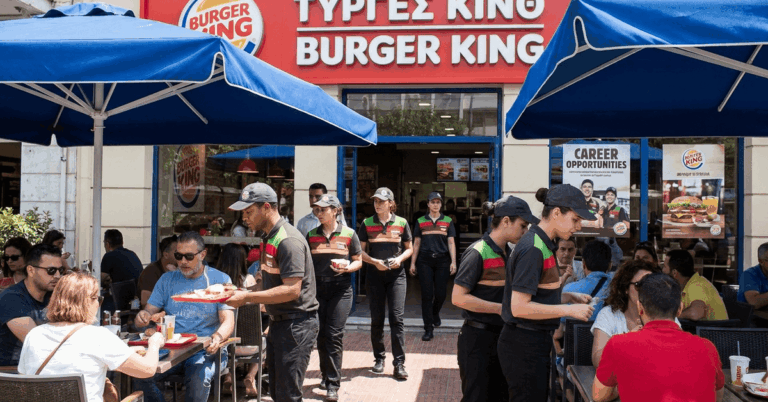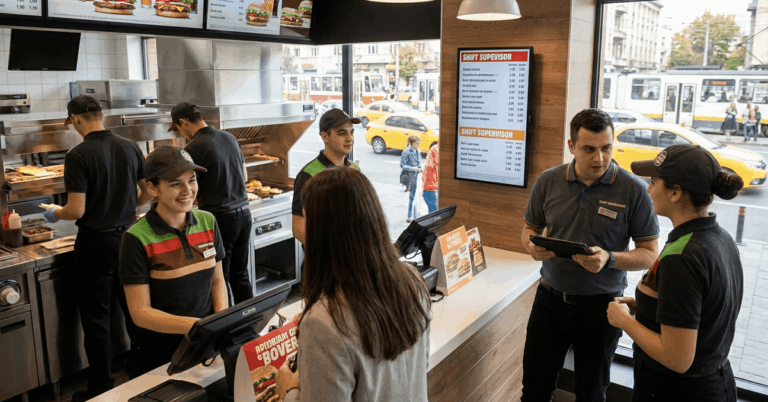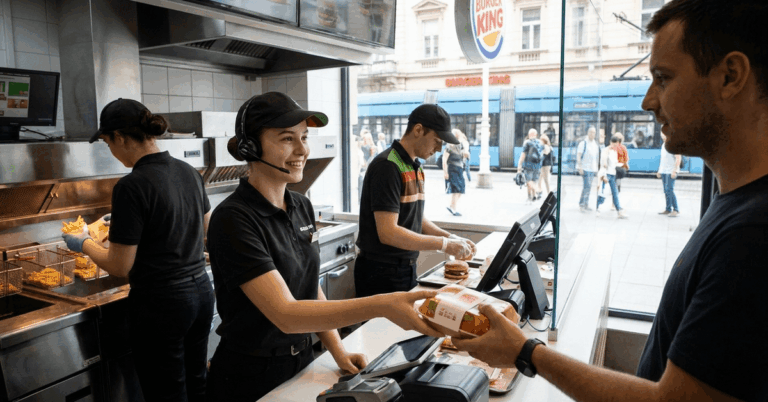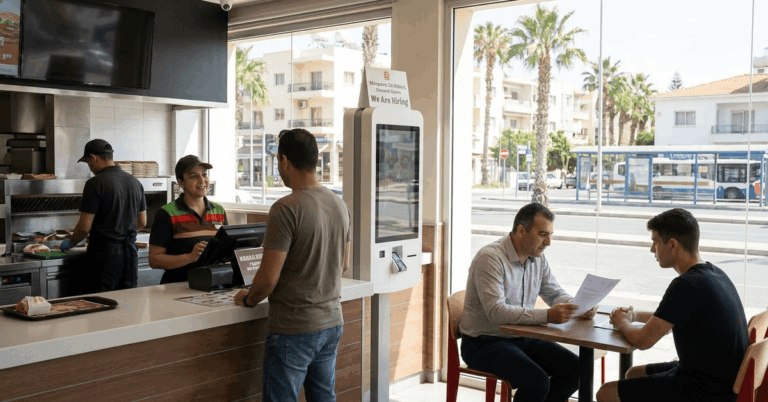
The growing demand for food delivery jobs in Italy means more flexible earning options for both residents and new arrivals.
Italians are embracing home delivery like never before. This creates a unique opportunity for those seeking quick entry-level work, students balancing studies, or anyone needing a side income.



This article unpacks all the essentials—how much you can expect to earn, what you’ll need to get started, and which delivery platforms are shaping the gig economy across Italian cities.
If you’re curious about food courier work or planning a move to Italy, this guide could answer your first big questions.
Why Food Delivery Jobs Are Gaining Popularity in Italy
Locals and expats are increasingly turning to food delivery jobs for practical reasons.
Italy’s busy cities, especially places like Rome, Milan, Turin, and Florence, offer a bustling backdrop for fast-paced gig work.
Many find the predictable daily demand and quick payouts quite appealing.
Steady Growth in Food Delivery Services
The shift toward digital ordering means more restaurants and customers using delivery apps daily.
This demand peaks during evenings, weekends, and holidays, so there’s always a chance to pick up extra shifts. Perhaps job stability isn’t perfect, but flexibility often wins out.
Flexible Schedules and Autonomy
Schedules in this sector rarely look alike. It’s possible to work around other commitments or swap shifts when life changes suddenly. Not everyone prefers night or weekend work; yet, those are often the most lucrative hours.
Low Entry Barriers and Simple Start
Entry-level requirements remain minimal. Many platforms don’t ask for CVs or prior foodservice experience—just compliance with some basic conditions and legal paperwork. It seems nearly anyone can give it a go, at least in the beginning.
Earnings: What Do Food Couriers Make in Italy?
The average pay for food delivery jobs in Italy depends on location, platform, and number of hours worked.
In cities with denser populations, such as Milan or Naples, it’s not unusual for experienced couriers to see steadier income than elsewhere.
Typical Pay Rates Across Top Cities
Earnings may range from €7 to €15 per hour, sometimes more with incentives. Some couriers share that occasional bonus campaigns push pay higher during peak demand or public holidays. Yet, there are days when orders slow.
How Delivery Platforms Calculate Pay
Each app has a unique formula. Usually, pay includes a base fee per delivery, plus distance-based bonuses, extra for difficult routes, or incentives for working unpopular hours. But there’s a downside: weather and traffic may affect both availability and earnings.
Potential for Extra Bonuses and Tips
Certain platforms offer regular bonuses for completing a set number of orders. Customer tips provide an unpredictable—but welcome—addition. Some weeks are simply better than others, no clear pattern, honestly.
What Are the Basic Requirements for Food Delivery in Italy?
To qualify for a food delivery job in Italy , several practical documents and resources are needed.
While requirements can vary slightly by region or company, a few essentials stay the same throughout the country.
Residence and Work Authorization
Anyone from the EU can generally work in Italy without additional paperwork. Non-EU nationals need a valid residence permit allowing work. It’s best to double-check specific visa conditions if unsure.
Means of Transportation
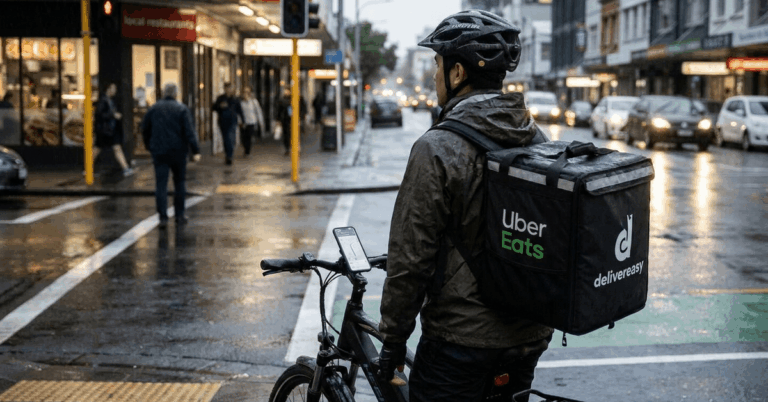
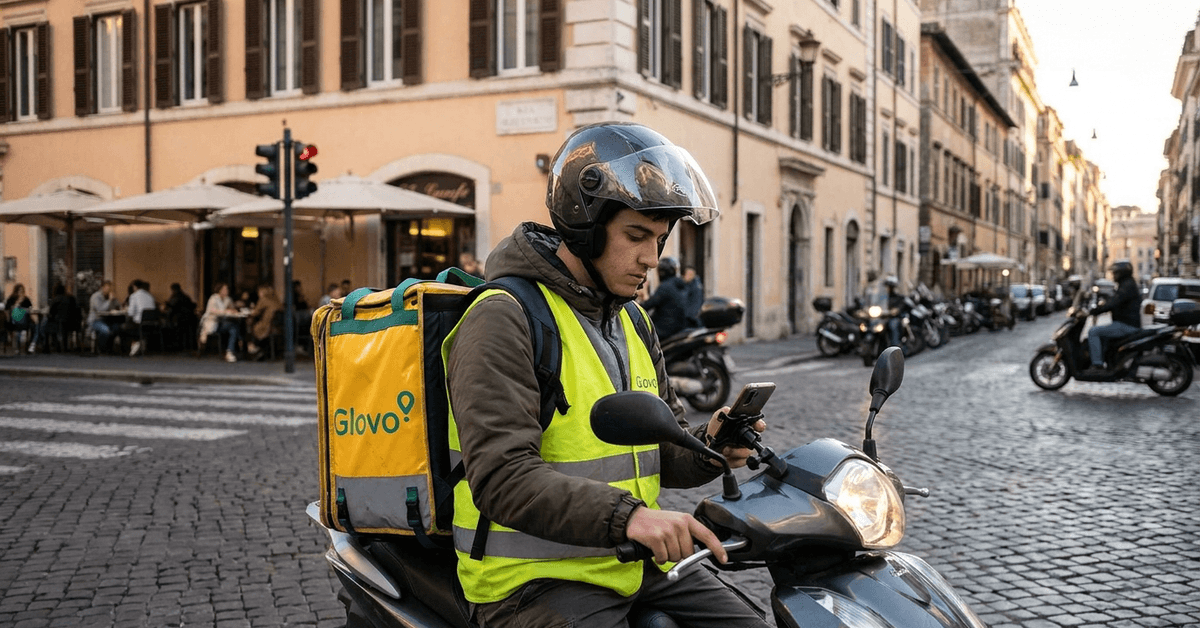
A bike, scooter, or car is typically required. In major cities, bikes and scooters remain popular due to traffic and parking challenges. Not all platforms accept all vehicle types; some even allow walking couriers in city centers.
Smartphone and Internet Connection
Since app management, order tracking, and navigation are fully digital, a smartphone with reliable data is essential. Occasional technical hiccups, unfortunately, are pretty much part of the process.
Minimum Age and Basic Documentation
Applicants must usually be at least 18 years old (sometimes higher for certain vehicle types). Relevant ID, tax code (codice fiscale), and sometimes a clean criminal record certificate are requested at registration.
Top Food Delivery Platforms in Italy
Italy’s main food delivery companies offer similar but not identical experiences. Choosing the right app can come down to local presence, payment frequency, and user feedback.
Glovo
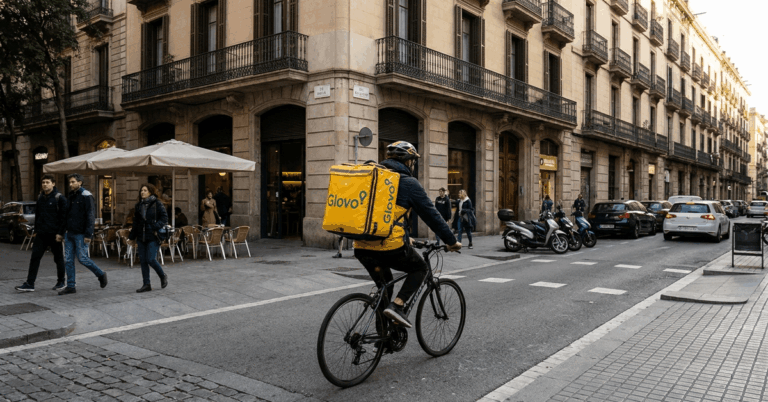
Glovo stands out for its wide national coverage and variety of orders—beyond just food. Couriers may deliver groceries, documents, or small parcels in addition to meals. See their official application page on the Glovo courier site.
Deliveroo
Deliveroo is known for its focus on larger city markets and partnerships with both global chains and neighborhood trattorias. The interface feels user-friendly, and payment cycles are quite reliable.
Just Eat
Just Eat is another major player, expanding into smaller towns and often reporting high customer satisfaction. Many say its support team is quick to answer courier issues compared to other apps.
How to Get Started as a Food Courier in Italy
Most platforms simplify the registration process. After submitting essential documents online, an in-person orientation or digital onboarding follows. Safety and health guidelines are usually covered at this stage.
Setting Up with Multiple Platforms
Many couriers choose to work with several apps at once, switching between them to maximize order volume. There’s little restriction, but managing overlapping schedules can be tricky at first.
Equipment and Safety Gear
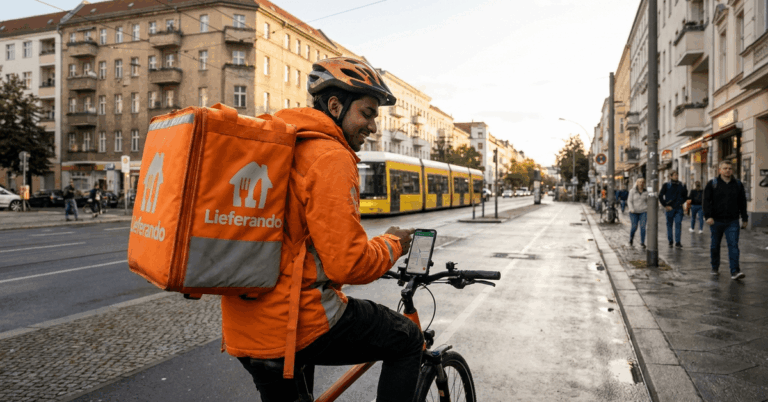
Helmet, high-visibility clothing, and an insulated delivery bag are standard. Some companies supply gear, others require couriers to purchase their own. A good bike lock and phone mount help with everyday convenience and safety.
Important Legal and Tax Considerations
Food delivery jobs in Italy fall under self-employed (autonomo) or collaboration (co-co-co, co.co.pro) work arrangements. Freelancers must comply with tax and insurance regulations, though requirements vary by annual earnings and region.
Registering as a Self-Employed Worker
Opening a Partita IVA (VAT number) may be necessary if working regularly. Income below the annual threshold might be exempt from full VAT registration, but it’s wise to confirm with a local accountant.
Social Security and Insurance Coverage
Full-time couriers should consider INPS contributions for social security and evaluate basic accident insurance options. Occasionally, platforms offer group insurance, but this isn’t universal.
Tips to Maximize Earnings (and Reduce Stress)
Many couriers believe working during peak hours and weekends pays best. Knowing local shortcuts and being familiar with restaurant locations can reduce downtime. But, honestly, a bit of luck never hurts either.
Managing Taxes and Expenses
Tracking fuel, repair, and phone costs can shave down taxable income at year’s end. While not glamorous, keeping receipts adds up over time, sometimes making a real difference.
Balancing Multiple Platforms
Careful scheduling and app notifications help prevent missed orders. Most seasoned couriers develop a personal preference for when and where to work after a few weeks of trial and error.
Conclusion: Is Food Delivery Work in Italy Right for You?
Italy’s food delivery jobs open the door to flexibility and new ways to earn, especially for those navigating a changing job market. Some days might feel rewarding, others less so, but the predictability of daily demand and fast start times remain appealing aspects.
While entry is straightforward and platforms actively seek new couriers, weighing the realities—like variable pay and the need for paperwork—is important before beginning. The chance to choose hours and work independently tends to balance out many of the drawbacks, at least for those who value autonomy.
For those interested, start your application officially with the Glovo courier registration portal. Food delivery could be a stepping stone or long-term fit—it really depends on personal priorities and expectations.