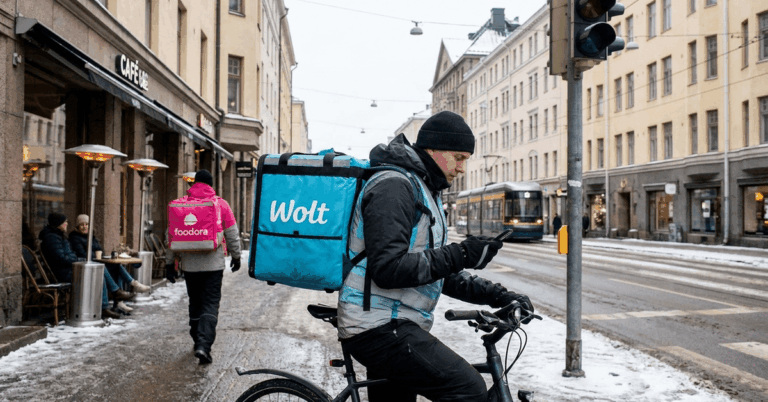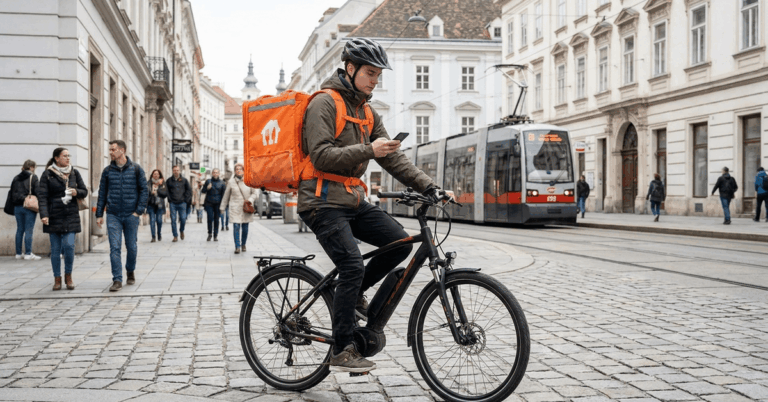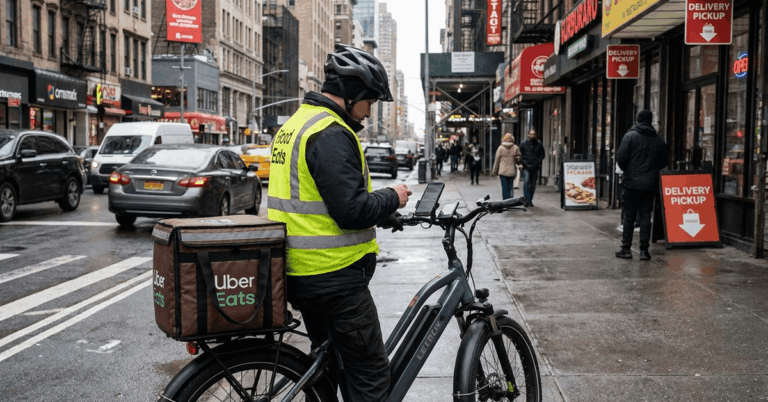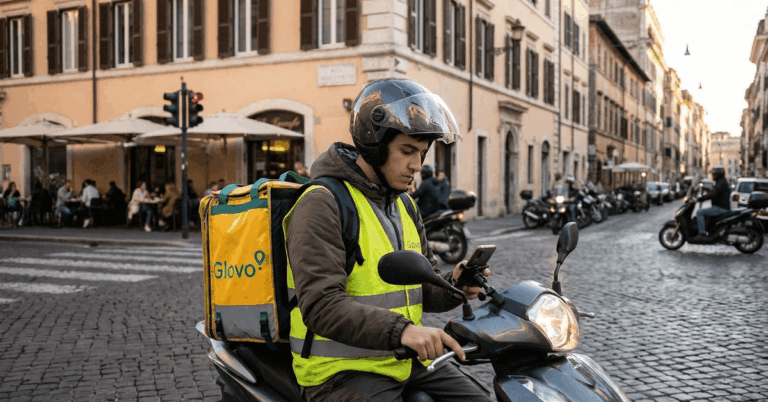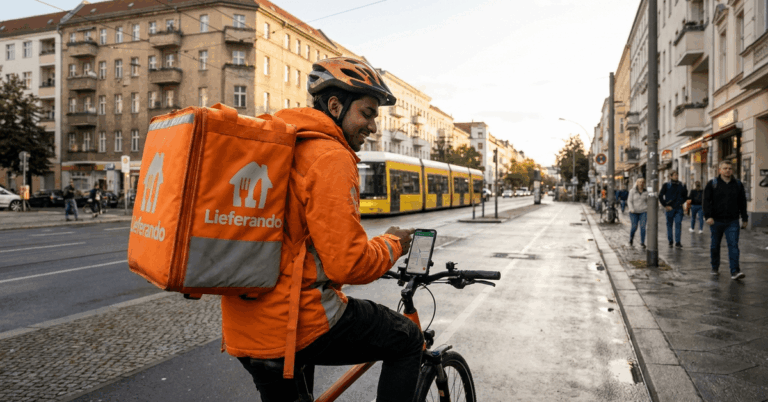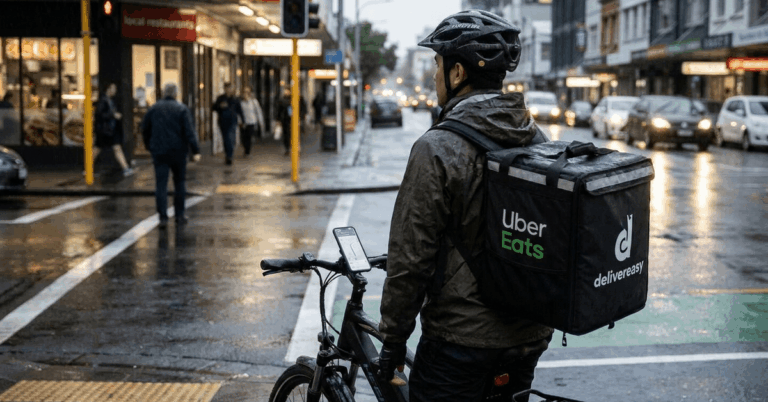
Food delivery jobs in Belgium are quickly becoming an appealing option. With flexible schedules and a surprisingly steady demand, many people—students, part-timers, or newcomers—find this sector valuable.
Whether you’re after extra income or looking to make delivery your main gig, understanding the ins and outs before diving in is essential.


This article offers a practical overview for anyone interested in Belgium’s food delivery scene, exploring pay rates, requirements, and top work platforms . Those unsure about where to begin may appreciate details on the registration process, too.
Why Food Delivery Jobs Remain Popular in Belgium
Bustling cities like Brussels, Antwerp, and Ghent have extensive networks of restaurants and hungry customers, day and night. That constant flow makes food delivery attractive, even during economic swings.
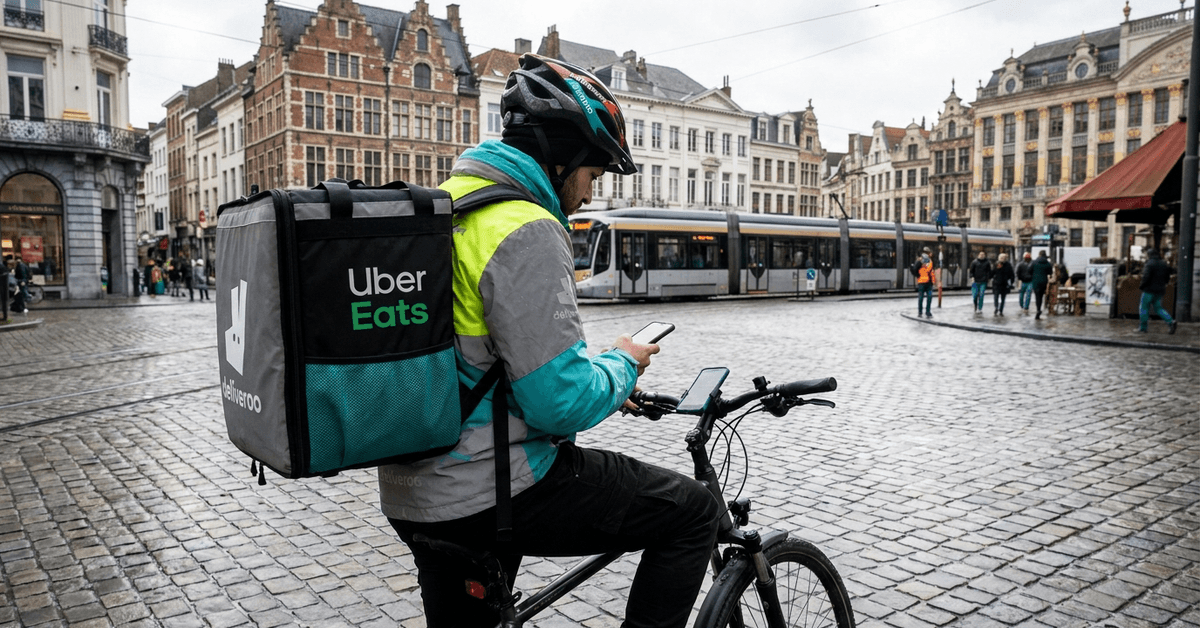
It’s not only about flexibility—there’s a sense of autonomy that appeals to people. You decide your working hours, which means it’s feasible for those with studies, caring responsibilities, or second jobs.
High Demand in Urban Areas
Central neighborhoods and business districts drive demand. Delivery timeframes cluster around lunch, dinner, and weekend evenings, often leading to peak hour bonuses.
Opportunity to Earn Tips and Bonuses
Alongside per-delivery rates, riders sometimes collect tips and special incentives. Some platforms regularly announce extra rewards for fast completion, or for working in weather that’s less than ideal.
Flexible Scheduling
With most apps, choosing shifts or working on-demand is standard. This independence is one main reason the job fits so many lifestyles—and it’s hard not to see the appeal.
How Much Can You Earn Delivering Food in Belgium?
Earnings, of course, matter to most people. Estimating average pay can be tricky, since so much depends on effort, location, and which app you use. Still, certain trends are widely reported.
Per Delivery and Hourly Pay
Most Belgian platforms offer compensation per delivery, but some report an average hourly pay between €10 and €16. This can rise with bonuses, tips, and busy-hour incentives.
Keep in mind, your earnings will vary based on how many orders you complete, traffic, and your willingness to work during higher-demand slots, like Friday nights or rainy days.
Bonuses and Extra Incentives
Occasionally, platforms provide bonuses for new sign-ups or for reaching a weekly order target. These can add a noticeable boost to your overall income, making the job more rewarding if you’re consistent.
Additional Costs
Unlike some jobs, costs such as fuel, bike maintenance, or mobile data are often out-of-pocket for riders. For those using scooters or cars, it’s important to include these in any realistic earnings estimate.
| Platform | Average Earnings | Bonus Potential |
|---|---|---|
| Uber Eats | €12–€16/hr | Peak hour, new sign-up |
| Deliveroo | €10–€15/hr | Weekly targets |
| Takeaway.com | €11–€15/hr | Holiday incentives |
Basic Requirements for Food Delivery Jobs in Belgium
Getting started doesn’t usually require special qualifications, but there are certain rules to keep in mind. It’s about safety and reliability as much as enthusiasm.
Minimum Age and Residency
Applicants need to be at least 18 and legally entitled to work in Belgium. Platforms generally require proof of identity, a valid address, and sometimes a basic background check.
Transport and Equipment
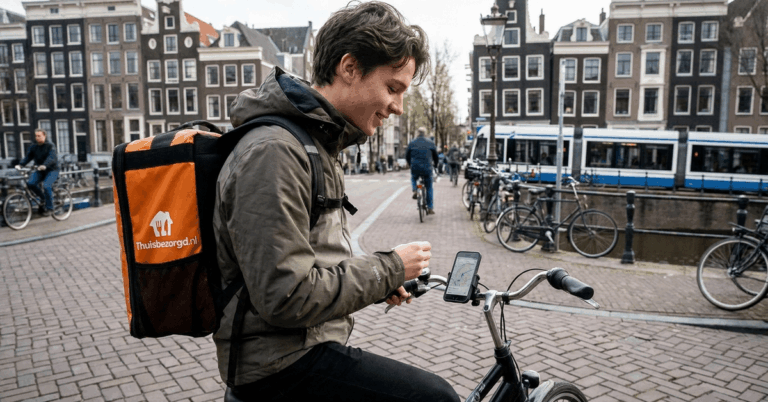
A reliable bicycle is enough on most Belgian platforms, though some allow scooters or even cars in larger cities. Owning a smartphone with a working GPS and a data plan is essential.
Registration and Legal Compliance
Many food courier jobs are offered on a freelance basis. This often involves registering as a self-employed person (independent status), especially for regular, longer-term work. Belgian law has rules on income declaration and social contributions, so it pays to check your status before getting started.
Major Food Delivery Platforms in Belgium
A handful of well-established apps operate across Belgium. Each has its own onboarding process, payout structure, and area of coverage. Knowing a bit about them helps with deciding which one may fit best.
Deliveroo
Deliveroo remains active in many Belgian cities, especially Brussels and Antwerp. Applicants choose their own hours and keep all tips received through the app.
Uber Eats
Uber Eats offers competitive pay rates. It’s popular for its user-friendly app and larger order volumes in cities like Brussels, Liège, and Ghent. Applicants need to complete an online registration and provide a background check.
Takeaway.com
Takeaway.com is known for a strong presence in Belgium and clear onboarding steps. They often employ couriers as paid workers rather than purely freelance, which can be attractive for anyone seeking stability, insurance, and fixed salary benefits.
Legal Aspects and Taxation for Delivery Riders
Anyone delivering food in Belgium is obliged to follow tax rules and national labor regulations. For many, the independent status is simplest, but the legal landscape has evolved over recent years.
Micro-Entrepreneur Status (P2P Economy)
Belgium allows limited, lower-tax income from P2P (peer-to-peer) platforms. As of 2024, earnings below a certain threshold (roughly €7,000 annually) may benefit from simplified reporting, though regulations can shift without warning.
Social Security Contributions
Full-time or frequent couriers may have higher reporting duties and social contributions. This covers healthcare and pension accrual, making it important to research your own obligations or seek official guidance.
Insurance and Liability
Most platforms recommend basic accident and civil liability insurance. If you plan to deliver via moped or car, proper registration and additional insurance may also be required by law.
Tips to Maximize Your Food Delivery Earnings
Choose Peak Hours
Order volume often spikes during lunch and weekend evenings. Working these higher-demand periods makes efficient use of your time and increases tip potential.
Optimize Delivery Routes
Well-planned routes save time and energy. Familiarity with congested city streets and restaurant patterns helps limit downtime between orders.
Maintain Safety and Professionalism
Couriers seen as prompt, polite, and careful often receive better ratings, which occasionally translates to more work opportunities and tips.
Track Your Expenses
Carefully logging fuel, repairs, and mobile usage costs offers a clearer picture of your net earnings. Simplified record-keeping apps might become a daily companion, especially for anyone sticking with delivery longer-term.
Application Steps: How to Become a Food Courier in Belgium
The process is fairly straightforward. Most platforms guide new couriers through every step—from filling in basic info to uploading documents and completing online tutorials.
1. Register on the Platform
Head to the official Uber Eats Belgium site and look for the sign-up link, usually found on their homepage. Alternatively, platforms like Takeaway.com run dedicated recruitment pages with detailed requirements.
2. Submit Documents
Documents normally include proof of ID, work authorization, and vehicle registration (if using a scooter or car). Some platforms request a recent police record or background check, depending on local guidelines.
3. Complete Online Training or Induction
Short, interactive guides walk through best practices and safety basics. Some require a short quiz before your account becomes active.
4. Start Accepting Orders
Once approved, download the app and log in to set your availability. At this point, you’ll have all you need to begin delivering and tracking your first earnings.
Conclusion: Is Food Delivery Work in Belgium Worth Considering?
After weighing requirements, pay potential, and the landscape of food delivery in Belgium, it’s clear the sector offers both challenges and real flexibility. It won’t be perfect for everyone.
Sometimes, the earnings can be unpredictable, or the weather harsh, and self-employment brings a learning curve. Still, the autonomy and adaptable schedules appeal to a wide range of Belgians and newcomers alike.
If you’re interested in flexible hours, staying active, and engaging with your city, food delivery might fit surprisingly well. For many, it’s more than just a side gig—it can be a practical step toward financial stability or a useful bridge between opportunities.
Want to explore opportunities? Visit the Uber Eats courier page for the latest openings and official requirements.