Thinking about kickstarting your engineering career with Bosch in Germany? Maybe you’ve heard great things about their projects, work culture, or stability.
Perhaps you’re fresh from university, or are eyeing your next big career step. Either way, learning how to approach a Bosch engineering job application can help you navigate what sometimes feels like a maze.



This guide shares practical, easy-to-follow steps for candidates, gently showcasing what to expect and how to prepare.
Why Consider Engineering Careers at Bosch in Germany?
First, let’s discuss why so many candidates pursue a position at Bosch. For many, it’s the reputation for innovation and the prospect of working on technologies that matter.
Others want to join an established company, knowing that a Bosch career often means solid training, international exposure, and competitive pay. But, the journey isn’t always straightforward.
Renowned for Innovative Engineering
Bosch is known for breakthroughs across mobility, home technology, and industrial solutions.
Working here means being closer to cutting-edge research and practical problem-solving. Sometimes the projects may sound almost intimidating, but there’s enormous pride in contributing to tech that people use worldwide.
Strong Employee Support Networks
From mentorships to technical training, engineers often mention the company’s organized support. Especially in Germany, there are graduate trainee schemes and programs aimed at integrating new hires into cross-functional teams.
Career Growth and Stability
It’s not just about getting a job; many find Bosch a place to advance long-term. Many senior engineers started early in their careers here.
Though, of course, growth can occasionally feel slow, especially in such a large organization, but the possibilities remain there for those patient enough.
Step-by-Step Process: How to Apply for Bosch Engineering Jobs in Germany
The application process at Bosch isn’t much different from other top German companies, but a few unique details are worth noting.
Perhaps the biggest takeaway is that preparation makes a difference, but luck and timing may play their part too. Here’s a breakdown—start to finish.
1. Identifying the Right Job Opening
Begin on the official Bosch Careers page. Filter by location (Germany), department (Engineering, R&D, Automotive), and position type (student, graduate, professional).
Take your time – sometimes positions are listed in English, sometimes in German. Google Translate can help, but pay close attention to language requirements.
- Typical Keywords: Engineering, Embedded Systems, Robotics, Mechatronics, Automotive, Software Engineering
- Check for roles labeled “Junior”, “Entry-Level”, or “Werkstudent” for students and new graduates
2. Preparing Your Application Materials
A standard Bosch job application in Germany typically requires a CV (Lebenslauf), a tailored cover letter, and copies of your degree certificates.
For non-German speakers, preparing these documents in English is often acceptable for international openings, but local roles may expect submissions in German.
- CV should be concise, skill-focused
- Highlight experience with relevant technologies – for instance, Bosch values software (C++, Python), control systems, and automotive experience
- Provide clear evidence of teamwork, communication, and intercultural skills
3. Navigating the Online Application Portal
Bosch uses an online portal for all job applications. The process is relatively intuitive, but the system can log out after inactivity, so saving often is a good habit.
You’ll upload your documents, answer role-specific questions, and sometimes complete an online assessment—even for entry-level posts.
- Document size and format requirements can be strict (PDF is safest)
- Some positions require uploading transcripts or recommendation letters
- Take care with auto-filled forms; double-check for errors
4. Waiting for Communication
Responses vary. Some applicants hear back within a couple of weeks, others wait longer.
Automated confirmation emails are standard, but personal responses may take time. Checking your spam folder occasionally is actually helpful; it’s surprisingly common for updates to end up there.
5. The Interview Process
Invitations to interview might include a phone screening followed by one or several panel interviews—sometimes virtually, sometimes in person. It’s not unusual for engineers to face a technical challenge or problem-solving task.
Frankly, this stage can make even strong candidates a bit nervous. Bosch tends to focus on practical examples; real-world project stories resonate well here.
- Sample Questions: Describe a successful engineering project, explain a technical challenge, discuss teamwork experience
- Be ready for some questions in German if you’ve claimed fluency
6. Receiving the Offer and Onboarding
If you make it through, Bosch usually follows up with a detailed offer letter. Salaries, benefits, and relocation options—if relevant—are outlined.
Onboarding includes structured orientation, introductions to your team, and typically ongoing training. Realistically, settling in may feel daunting at first, especially for international hires, but there’s generally support for adjusting smoothly.
Top Sought-After Engineering Specializations at Bosch (Germany)
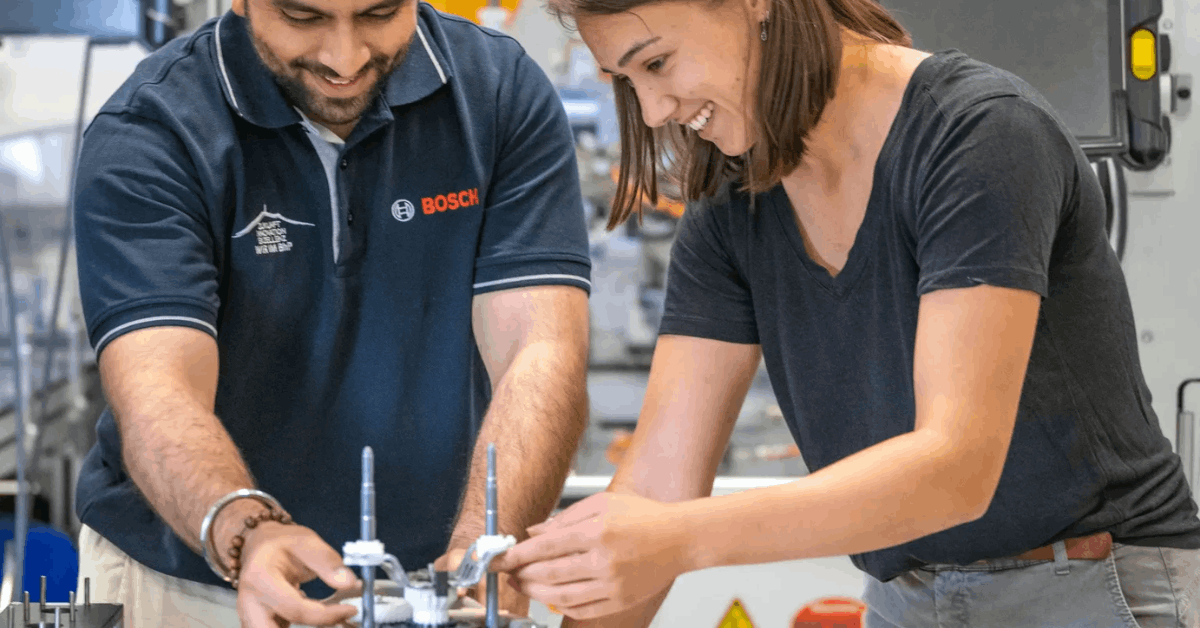
Bosch employs engineers in a range of disciplines, suiting varied skill sets. It’s not all automotive—though that’s a big one. Here’s where demand often runs high, though it could shift over time.
- Automotive Systems Engineering – Hybrid and electric powertrains, ADAS, connectivity
- Embedded Software Development
- Mechanical Engineering – Process design, manufacturing
- Robotics & Mechatronics
- Industrial IoT & Digitalization
Of course, sometimes positions that seem niche—like acoustics or materials science—open up suddenly with short notice. Being on the alert, or setting up job alerts, is definitely worth trying.
Tips to Improve Your Bosch Application Success
Standing out doesn’t require reinventing the wheel. Sometimes it’s the basics that matter most, though every now and then, candidates are surprised by what small detail made the difference. Here are some suggested steps for a stronger application experience:
Tailor Your CV and Cover Letter
Adapt your application for each role. Repeating generic skills doesn’t help. Highlight projects, awards, internships, or thesis work that match the Bosch job description.
Demonstrate a Passion for Innovation
Share any contributions to hackathons, open-source projects, or research relevant to Bosch’s fields. Not always required, but mentioning a side project—even a failed one—often sparks productive conversation during interviews.
Be Honest and Clear About Language Skills
German fluency isn’t always a must, but roles demanding frequent internal communication may require at least intermediate skills. Overstating your abilities here rarely ends well—Bosch will likely assess this during interviews.
Prepare for Practical Scenarios
Technical interviews may involve hands-on problem-solving, design proposals, or case studies. Reviewing the company’s recent technology announcements or patents can offer context and help you shape thoughtful, relevant answers.
Follow Up—But Don’t Overdo It
A short, polite message to confirm receipt or restate interest is sometimes welcomed. Repeated emails, though, can backfire. Most HR teams appreciate patience.
Legal and Relocation Factors for Bosch Jobs in Germany
For international engineers, moving to Germany for a Bosch job introduces new administrative steps. It isn’t necessarily difficult, but the bureaucracy can be daunting at first glance.
Work Visa Requirements
Bosch supports work visa applications for qualified hires from outside the EU. Usually, you’ll receive a formal offer and paperwork used to apply for a German “Blue Card” or resident permit.
If you’re uncertain, official sites like “Make it in Germany” provide up-to-date advice on the process and needed documents.
Recognition of Foreign Degrees
Applicants sometimes worry about whether their university degree is recognized.
Usually, degrees in engineering or related sciences from most EU and many non-EU countries qualify. Anabin, the German degree recognition database, can clarify if you’re not sure.
Taxes and Social Security
Employees in Germany are subject to standard payroll taxes, health insurance, and pension contributions.
Sometimes the deductions feel high, but they’re partly balanced by benefits such as healthcare and public pensions. More about the German tax system can be found on the official Finanzamt website.
Relocation and Integration Support
While Bosch often provides some relocation support for international hires, every case is unique.
Services may include help finding apartments, language course recommendations, or even advice on banking and registration. It depends on the specific offer and location.
Additional Resources and Where to Find Bosch Engineering Jobs in Germany
The official Bosch Careers site remains the best starting point for job seekers. Larger job boards such as LinkedIn and StepStone also regularly list engineering openings in Germany, but applying directly via Bosch is usually advisable.
For students, checking out university career pages and events can sometimes lead to hidden opportunities.
- Bosch official careers: www.bosch-career.com
- LinkedIn: www.linkedin.com/company/bosch
- StepStone: www.stepstone.de
- Make it in Germany (Relocation info): www.make-it-in-germany.com
Frequently Asked Questions About Bosch Engineering Applications
Do I have to speak German for every engineering job at Bosch?
No, but for many technical roles—especially in manufacturing or R&D—basic to intermediate German skills are expected. Corporate positions may sometimes be in English, especially in teams with an international focus.
Are internships and student jobs common at Bosch in Germany?
Yes. Bosch offers internships, student assistant roles (Werkstudenten), and thesis projects. These positions often serve as pathways into permanent engineering jobs later.
Can I apply to multiple positions at the same time?
It’s possible, but aim to only apply where your experience and skills truly fit. Applying everywhere rarely increases your chances and may raise concerns among recruiters.