The food delivery sector in Europe has experienced rapid growth, making it an accessible way for many people to earn money. For those considering entering this field, it can feel overwhelming at first.
This guide offers an overview, practical steps, and important considerations to help newcomers get started in the industry. Whether looking for a flexible side gig or a reliable source of income, many have found delivery jobs to be a good fit.


Why Food Delivery Jobs Are Gaining Popularity in Europe?
Digital ordering and urban lifestyle shifts have reshaped the job landscape. More individuals are seeking roles that offer flexibility and day-to-day variety, and food delivery jobs seem to hit that sweet spot for many.
Growing Demand Across Major Cities
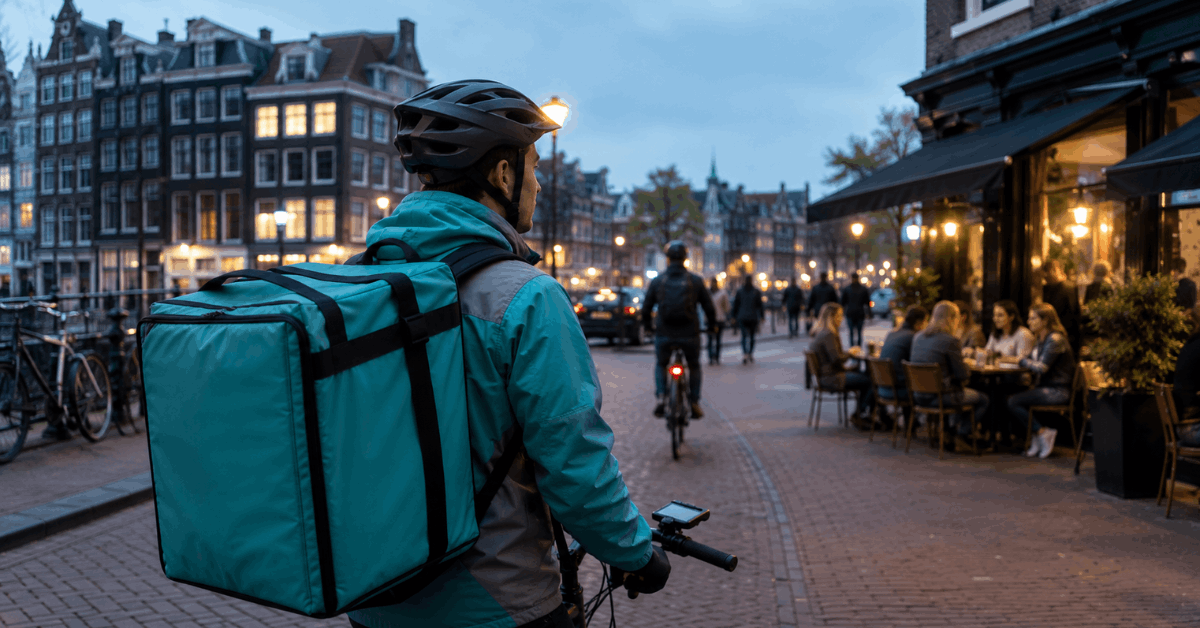
Urban centers like Berlin, Paris, and Amsterdam continue to see a surge in food delivery requests. Local restaurants and international chains turn to delivery platforms to reach new customers, creating steady opportunities for couriers.
Flexible Working Hours
Few jobs match the flexibility of food delivery. Many couriers value the option to set their own schedules, working mornings, evenings, or weekends depending on personal needs. For students or those balancing multiple commitments, this can be very appealing.
Accessible Entry Requirements
One benefit is that most food delivery jobs don’t require previous experience. A smartphone and a mode of transport – bicycle, scooter, or car – are typically enough to start. This openness gives many people, regardless of background, an easy entry point into the workforce.
How to Get Started in Food Delivery?
The process usually involves registering with an online platform, meeting some basic requirements, and completing straightforward onboarding steps. Some may wish to do research to decide which platform suits them best, as each operates a little differently.
Choosing a Platform
Popular delivery companies include Deliveroo, Uber Eats, and Glovo. Each offers its own benefits, pay structure, and coverage area.
Reading reviews and asking around might help narrow down choices. It’s not uncommon to try a couple of platforms to compare earnings and experience.
Equipment and Transportation
A reliable bicycle or scooter is often the most efficient choice in traffic-clogged European cities.
Some opt for cars, but this depends on local parking and delivery preferences. Beyond transport, a smartphone with a data plan is, frankly, essential for order tracking and communication.
Registration and Documentation
Some platforms require proof of identity, right-to-work documents, and sometimes a background check. Requirements can vary slightly by country, so verifying local guidelines is advisable before beginning the application process.
Top Food Delivery Platforms in Europe
A handful of companies dominate the scene, each with unique policies, app features, and payment methods. Exploring the most widely used options could lead to a smoother first experience.
Deliveroo
Deliveroo operates in cities across the UK, Ireland, France, and other countries. It’s known for regular incentives during busy hours and robust customer support. Some report the initial setup is easy, but payout frequencies may depend on location.
Uber Eats
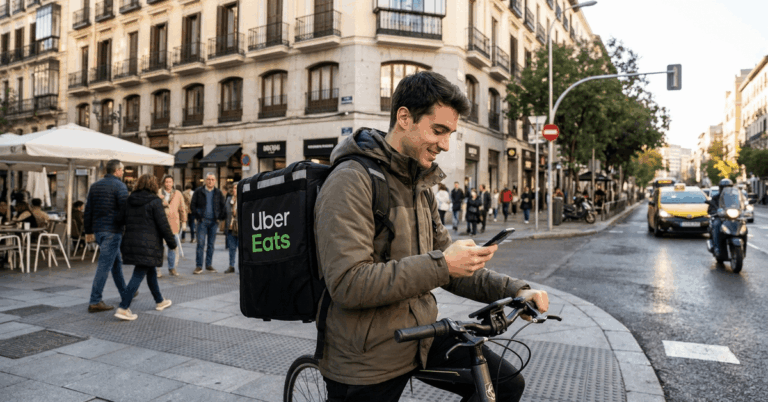
Uber Eats connects restaurants and customers via a user-friendly app. The platform covers many European countries, and couriers earn per delivery, with bonuses sometimes offered during peak demand. Integration with the general Uber app can be beneficial for some users.
Glovo
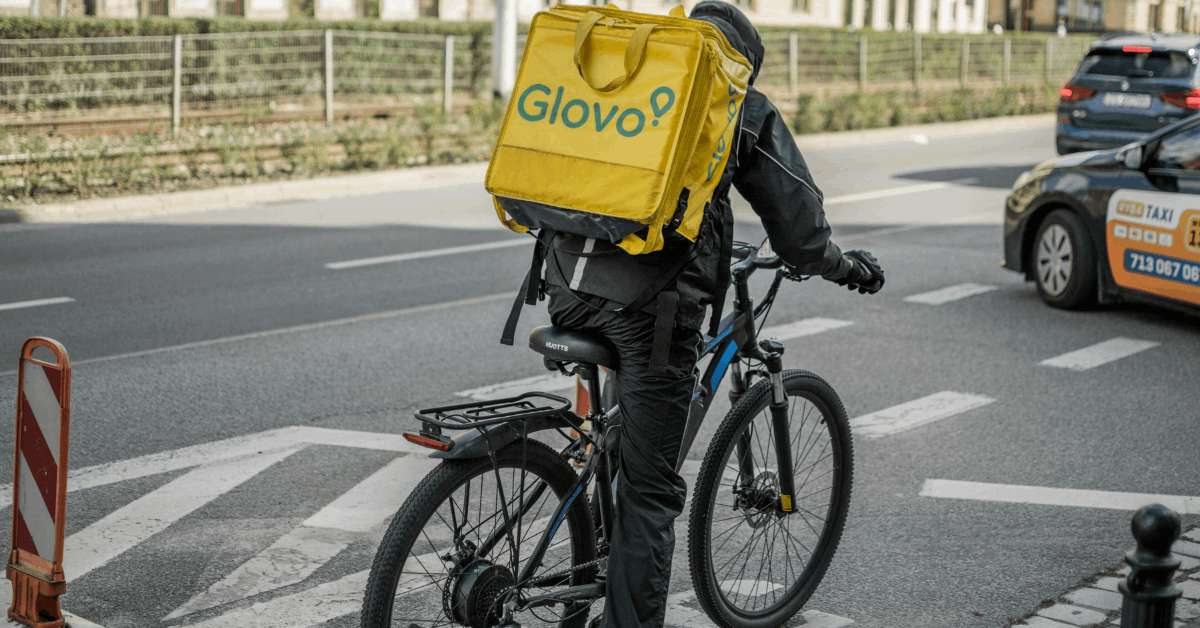
Glovo partners with restaurants and retailers in Spain, Portugal, Italy, and beyond. In addition to food, couriers may deliver groceries or parcels, expanding earning potential. Some regions see greater demand, so experiences vary widely.
Understanding Pay and Earnings Potential
Food delivery work typically offers earnings on a per-order basis, with the possibility for extra bonuses during high-demand shifts. While not always predictable, many try different times of day to optimize their income.
How Pay Structures Work
Platforms generally pay per delivery completed, sometimes with distance-based additions. Weekly payouts are common, but instant payout options might be available in some regions—often for a small fee.
Keep in mind, actual earnings depend on variables like distance, waiting times, and order clustering.
Incentive Programs and Bonuses
Top performers or those willing to deliver in busy weather or weekends can often access special incentives.
These might increase hourly rates or offer fixed rewards after hitting certain delivery targets. Checking the platform’s terms ensures better understanding of how these bonuses work.
Realistic Earnings Range
Many report average net earnings between €8 and €16 per hour, though this fluctuates by city and delivery time.
Promotions, tips, and bonus schemes can augment total pay. However, calculating costs—like fuel or phone expenses—gives a more accurate sense of overall profit.
Tips to Maximize Your Earnings
Efficient routes, smart scheduling, and knowing local hotspots can all impact daily income. It’s not only about working longer but sometimes working smarter.
- Check app heatmaps or “busy areas” before starting a shift; high-density zones often see more orders.
- Monitor for platform promotions and consider working during weekends or lunch/dinner peaks.
- Polite, consistent service can encourage customers to leave tips.
- Keep transportation in good repair to avoid delays and extra costs.
- Compare multiple platforms to find the one that offers the best experience and pay in your location.
Legal and Tax Considerations
Doing food delivery work as an independent contractor comes with specific legal responsibilities. It’s important to learn about local regulations, taxes, and insurance requirements.
Registration and Licenses
Most countries require delivery couriers to register for self-employed status or declare their earnings as part of existing tax filings. Some might even need a local business license; it varies. This task doesn’t take long, but skipping it might lead to penalties.
Insurance and Safety
Insurance coverage, such as third-party liability, is sometimes required by platforms and always wise to consider. Health and accident coverage may be available for freelancers, but the specifics differ from country to country.
Income Tax Obligations
Earnings from food delivery work are taxable. Keeping accurate records of income and expenses helps simplify tax returns and keeps surprises to a minimum. Officials in each country offer online guidelines for gig workers to follow.
Skills and Qualities Valued in Food Delivery
Beyond knowing city streets, couriers who excel tend to share certain skills. Reliability, punctuality, and a positive attitude can go a long way. A little effort in customer service—greeting customers, checking orders—might boost reviews and, possibly, earnings.
Conclusion
Not all jobs suit every person equally. Food delivery work invites independence and movement. Some love the lack of routine, while others, perhaps, shy away from unpredictable pay or weather challenges. Trying it for a few weeks could clarify if the fit feels right.