For many people in Europe, flexible work is more important than ever before. Whether it’s the need to supplement income, fill gaps between jobs, or simply take control of the workday, delivery apps offer unique opportunities.
This article explores the most popular delivery apps in Europe, focusing on those offering the most flexibility and steady demand for part-time couriers, riders, and drivers.



Why Flexible Delivery App Jobs Appeal to So Many in Europe?
If you’ve ever wondered what makes delivery jobs so popular across European cities and towns, there are several reasons worth considering. At first, it can seem pretty straightforward—work on your terms, right? But perhaps it’s deeper than that.
Autonomy Over Hours
One of the most attractive things about joining a delivery platform is the ability to choose your shifts and routes.
For students, parents, or anyone with a busy schedule, setting your own hours can make all the difference. Sometimes, that level of flexibility really is priceless.
Growing Urban Demand
I think it’s safe to say that, as urban living expands, the demand for on-demand deliveries grows. Food, groceries, and even retail orders are being delivered at rates that far outpace earlier years—especially in major European capitals. The steady influx of new customers keeps the cycle going.
Short-term and Long-term Possibilities
Some people see this as a quick fix. Others turn flexible delivery gigs into a stable source of income. That’s one of the appealing contradictions: a platform can support someone for just a few weeks, or quietly become a longer-term habit.
Top Delivery Apps for Flexible Work in Europe
This list highlights prominent delivery platforms active across several European markets. While availability varies by country, these names come up most often among flexible workers.
Uber Eats
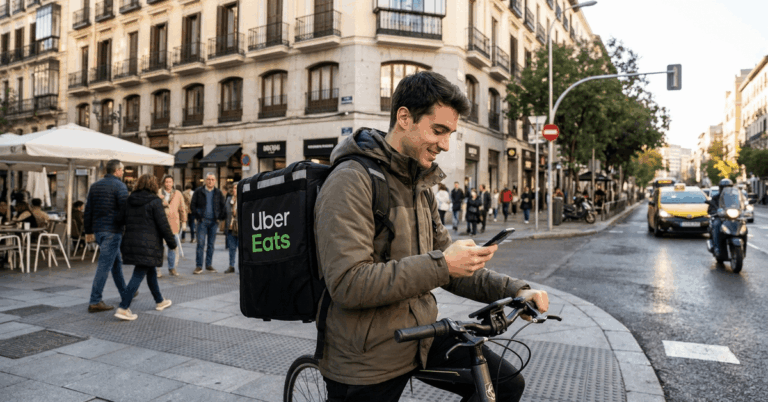
Operates in dozens of European cities, connecting couriers to food orders from local restaurants. Flexible scheduling, simple onboarding, and wide brand recognition make it a common choice for both new and experienced delivery workers.

Deliveroo
Well-known for its partnerships with thousands of restaurants, Deliveroo offers riders freedom to work peak dinner hours or just occasional lunch runs. Support for both bikes and scooters is handy for city dwellers.
Glovo
Headquartered in Spain and now active in many countries, Glovo is unique in its wide product range. Workers may deliver not just food, but groceries, packages, and even pharmaceuticals. More variety can mean more frequent earnings opportunities.
Just Eat
Covering a big footprint in the UK, France, Spain, and parts of Scandinavia, Just Eat is often praised for its clear payments and transparent scheduling. Couriers may notice the app is less demanding about shift minimums than competing platforms.
Wolt
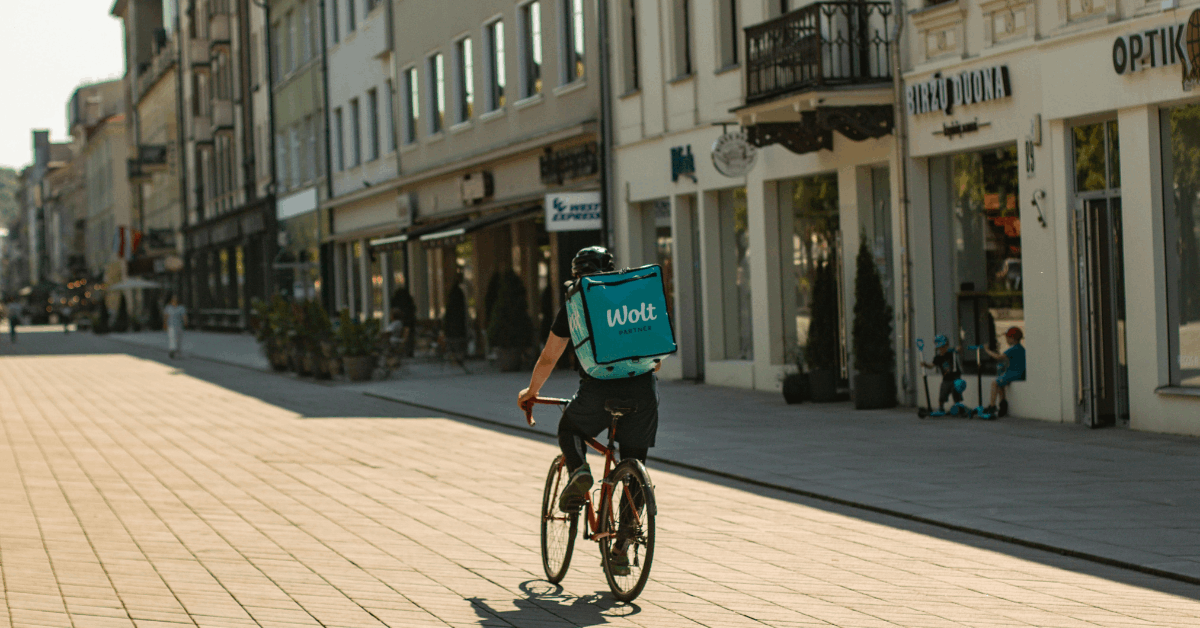
Popular in Northern and Eastern Europe, Wolt is praised for its user-friendly app, honest ratings, and responsive support. Gig workers often share stories of fair tips and quick payouts. Some find it a bit quieter than other platforms, depending on the area.
Choosing the Right Platform for Your Needs
With several choices available, the process of picking a delivery app can sometimes be a matter of trial and error. A few key questions can help clarify your priorities:
- Coverage area: Which platforms operate in your town or city, and are their service zones easy to reach?
- Payout timing: Weekly, daily, or when you request it? Delivery workers may weigh the pros and cons differently.
- Order volume: Some apps receive more orders during lunch rush, others during dinner. A few slow periods can be frustrating, but higher traffic may offset it.
- Mode of transportation: Not all platforms welcome bikes, scooters, or walking—you’ll want to check this before applying.
- Bonuses and incentives: Special promo periods, referral bonuses, or extra pay for peak hours sometimes make all the difference.
Requirements and Onboarding Process
Most delivery platforms keep applications simple to attract more couriers. Still, it helps to prepare in advance for the typical steps. Here’s what you might expect:
Minimum Age and Identification
You’ll generally need to be 18 years old (sometimes 21), provide legal ID, and, in some cases, a background check. This screening protects both workers and customers, though it can take a few days.
Mode of Transportation Verification
A car, scooter, or bike must often be registered with the app. In larger cities, it’s common for platforms to welcome bicycles, especially where parking is a challenge. Documentation may vary, so patience pays off here.
Bank Account or Payment Setup
Direct deposit is standard, though digital wallet options sometimes appear. Reliable payment processing is a reason people stick with certain apps longer—even when other conditions change.
Tips to Maximize Your Income with Delivery Apps
There isn’t one universal trick for increasing delivery earnings. However, consistent workers mention a few habits that tend to help, regardless of the platform:
Peak Time Awareness
Most food delivery demand spikes during meal hours—but it’s not always obvious when those windows open and close. Over time, learning these patterns may earn you extra deliveries without extra hours.
Positive Customer Experiences
Even a small effort—polite communication, speedy drop-offs—can nudge tips upward. Occasionally there are difficult customers; staying courteous often protects your overall rating.
Staying Safe on the Road
European cities vary in their cycling and driving rules. Reading local guidelines, wearing safety gear, and erring on the side of caution is strongly encouraged. No order is worth a risk to your wellbeing.
Mixing Multiple Platforms
Some couriers use more than one app, switching between platforms when activity slows. This process isn’t for everyone, but it can improve income consistency—though it does sometimes mean dealing with competing schedules or overlapping orders.
Legal Status and Tax Responsibilities
The self-employed status of gig workers often comes with tax implications. In the EU, most riders are classed as independent contractors rather than employees.
That may mean keeping detailed records, filing under self-employment rules, and, in some countries, paying into local social programs.
Insurance Considerations
Some platforms provide accident or liability coverage, but most expect workers to secure their own. Checking this point before accepting a job is wise, especially if you’re working across borders or in multiple regions.
Local Regulations
Legal requirements can shift fast. It’s not always easy to keep up. The most successful couriers usually check local city or government websites for updates to labor laws, insurance policies, and traffic ordinances affecting delivery workers.
Conclusion
Delivery apps in Europe can be a practical option for people seeking flexible work, extra income, and control over their schedule.
Platforms like Uber Eats, Deliveroo, Glovo, Just Eat, and Wolt offer different strengths depending on location, order volume, transport options, and rider support.
Couriers should compare local demand, onboarding requirements, payout timing, insurance coverage, and tax responsibilities before choosing a platform.
With smart planning and safe working habits, delivery app work can become a flexible and manageable income source