Food delivery jobs have become a reliable option for those seeking flexibility and better work-life balance in Europe.
Whether you’re a student, someone between jobs, or simply looking for extra income, the ability to choose your own hours can be a real game-changer.

This article is ideal for anyone considering flexible gig work. If freedom, varied schedules, or side income are important, understanding the European food delivery app landscape is essential.
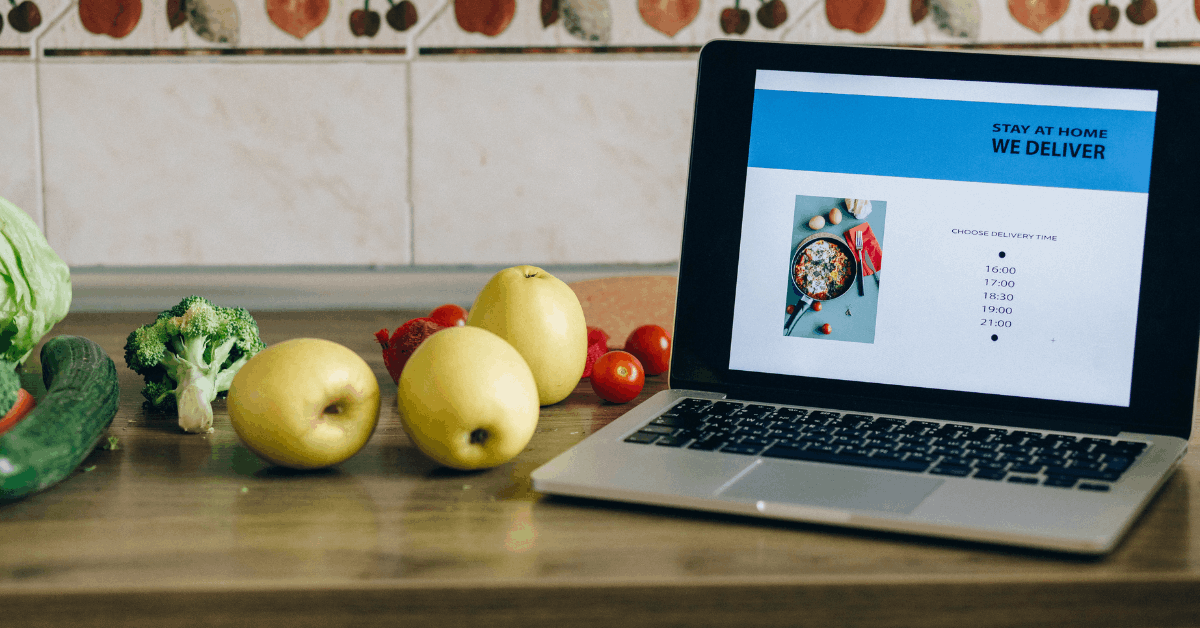
You’ll discover which platforms truly deliver on schedule flexibility, what it’s like working with them, and how to make the most of these opportunities.
Why Flexible Food Delivery Jobs Appeal in Europe?
Perhaps one of the strongest draws is genuine flexibility. Many platforms now allow drivers and cyclists to log in and accept deliveries whenever convenient. That’s not something you find in every job.
The Rise of Gig Economy in Urban Areas
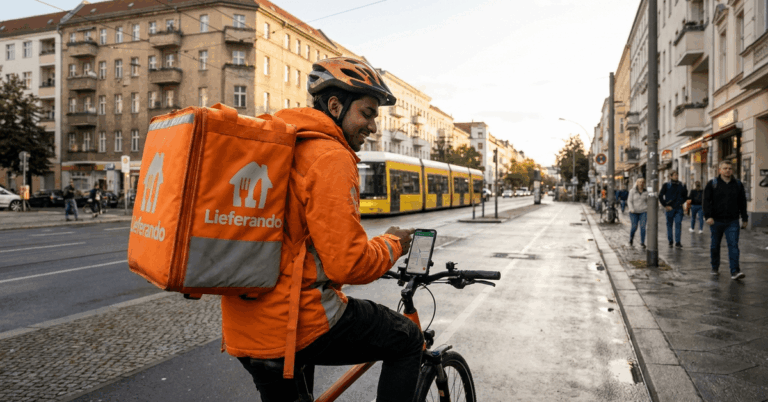
Across European cities like Berlin, Paris, and Amsterdam, gig work has grown quickly. High demand for quick restaurant deliveries means constant openings for couriers willing to work part-time or odd hours.
Freedom to Set Your Own Hours
With these platforms, schedules aren’t assigned. There’s no fixed shift. If you have a few hours in the evening, you simply switch your availability on. This approach fits busy student timetables and family routines.
Top Food Delivery Platforms with Flexible Schedules
Europe’s top delivery apps each offer some level of schedule control. Not all are identical – some may still prefer advance slot sign-ups, especially at peak times, but most are open to true on-demand work.
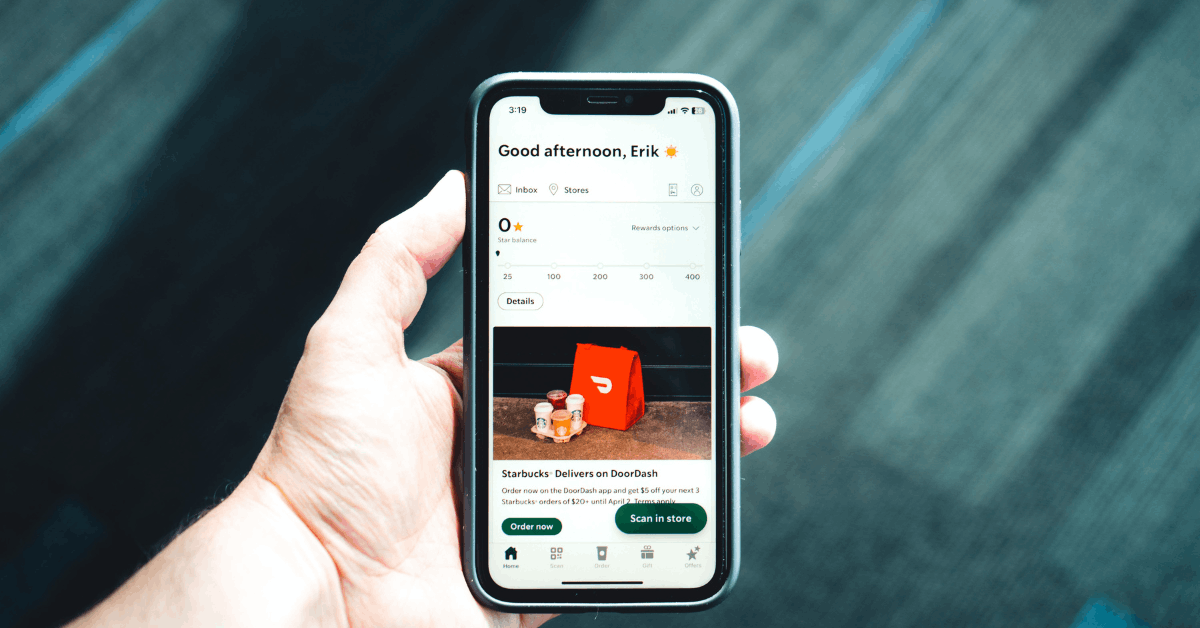
Deliveroo
Deliveroo operates in major cities across the UK, France, Germany, and more. Riders choose their own hours by logging in and accepting jobs as they wish. There are no minimum shift requirements.
Uber Eats
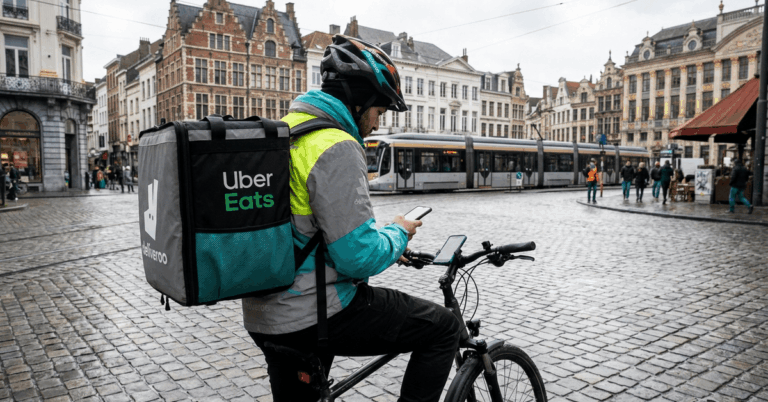
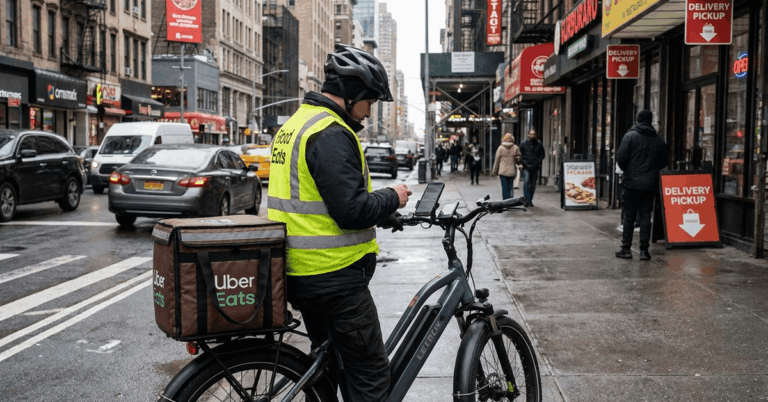
Uber Eats is present in dozens of European countries. Couriers sign in via the app when ready to work. You work as often or as little as wanted, with total autonomy over your daily routine.
Glovo
With operations across Spain, Italy, Portugal, and a growing list of other areas, Glovo couriers pick and choose their hours by toggling availability. There’s usually no penalty for skipping days.
Just Eat
Just Eat’s model varies a little. In some cities, you select shifts in advance, but in many, on-demand logins are allowed. Couriers can often blend gig work with studies or other jobs here.
Wolt
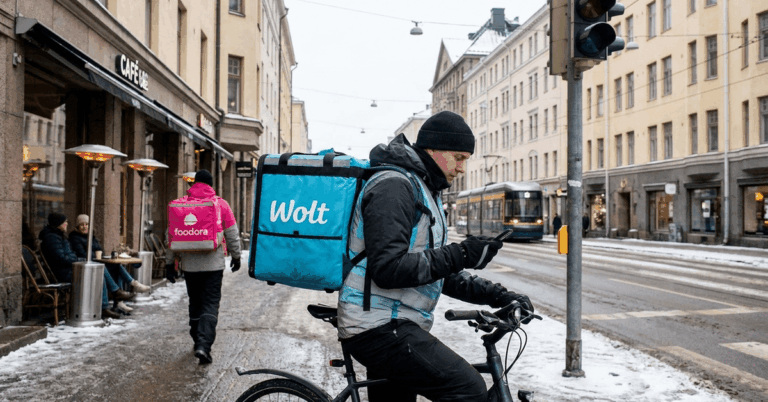
Wolt is expanding across Scandinavia, the Baltics, and Central Europe, with apps that let riders start or stop as they please. The process is often praised for its simplicity and flexibility.
Comparing Platform Flexibility: What Sets Them Apart
It’s easy to assume all apps offer the same freedom, but each platform has subtle quirks. Some cities or countries may have regional differences, and certain jobs fill up faster during busy hours.
App Features and Scheduling Control
- Real-time login/offline: Most apps let couriers start and stop instantly via the mobile app.
- Advance scheduling: Some prefer/require you to reserve busy shifts in popular areas.
- No fixed quotas: Generally, there’s no minimum delivery quota per week, but consistent activity may improve app ratings.
Cities with the Most Demand
Big cities like London, Paris, Berlin, Madrid, and Milan usually have the most customer orders. Higher demand often means more flexible working hours and better earnings, though competition can also rise.
How to Get Started with Flexible Food Delivery Apps?
Onboarding is typically quick. A few requirements may apply, even for the most flexible app models. Signing up, in most cases, is possible without a long-term commitment.
Sign-Up and Documentation
- Proof of ID and work eligibility for legal work in each country
- A smartphone (Android/iOS) compatible with the delivery app
- Bicycle, moped, or car (some platforms are cycle-only in city centers)
Initial Training and Working Requirements
Brief safety training or orientation is often provided online. Most platforms supply branded bags and suggest best practices, such as carrying food securely and following local road laws.
Payment Structures
Payment is generally per delivery, not hourly. Some apps offer incentives during peak times or longer shifts, though these remain optional.
Pros and Cons of Flexible Schedule Food Delivery Work
Of course, there are ups and downs. While flexibility is valuable, certain practical downsides might appear, depending on your city or lifestyle needs.
Flexibility and Independence
The clear perk is managing your own hours, but there’s a trade-off: income is less predictable compared to fixed-shift jobs.
Income Variability
Earnings can swing week-to-week, as they depend on the number of orders available and whether you’re active during busy hour ‘rushes’.
Potential for Bonuses
Apps sometimes offer extra money for certain delivery targets, nighttime work, or serving in poor weather. While these can boost income, they’re never guaranteed.
Maximizing Flexibility and Income
It’s possible to boost results—though not mandatory—by timing shifts with high-demand periods (lunch, dinner, weekends), reading reviews, or even working across multiple apps if allowed.
Smart Tactics for Busy Hours
- Check demand heatmaps, if offered within the app
- Work in central city zones where more orders originate
- Consider combining gig apps to optimize delivery density
Balancing Gig Work with Other Commitments
Some people only deliver during study breaks, or just on weekends, letting them focus elsewhere during the week. This approach is especially popular among students and parents.
Legal, Insurance, and Tax Considerations
Regulations around food delivery gigs vary by country. It’s important to know how local labor laws classify gig work—either as self-employed or under other arrangements.
Self-Employment Status
In many European countries, gig couriers are considered independent contractors. That means you’re responsible for your own taxes and social contributions.
Insurance Coverage
Providers often suggest (sometimes require) personal accident and public liability insurance. Some platforms include this coverage during active deliveries, but not all do. It’s wise to check details before starting.
Local Tax Filing
Each country has unique rules. In France, you might register as an auto-entrepreneur. In Germany, you’ll likely need a Gewerbeschein for self-employment. The requirements can differ across borders, so it helps to research locally first.
Tips for Flexible Food Delivery Jobs
- Compare apps before signing up.
- Work during lunch and dinner rushes.
- Check insurance coverage first.
- Track income and expenses carefully.
- Research local tax requirements.
Conclusion
Food delivery apps in Europe can be a practical option for people who want flexible schedules, side income, and control over when they work.
Platforms like Deliveroo, Uber Eats, Glovo, Just Eat, and Wolt offer different levels of schedule freedom depending on the city and country.
Couriers should compare payment models, demand patterns, insurance coverage, tax duties, and self-employment rules before getting started.
With smart planning and realistic expectations, food delivery work can become a flexible and manageable way to earn extra income.