Delivering food and parcels has become an everyday job across European cities. But for those looking into these roles, understanding the differences between self-employed and contracted delivery riders becomes crucial.
Many jobs sound similar on the surface, but their real impact on finances, rights, and daily life can be surprisingly different.



This article is created for anyone considering delivery work, whether researching your first gig or comparing your current setup. It explores how each employment option works, the earnings you might expect, potential risks, and everything in between.
For those aiming to make the smartest choice or simply understand the industry better, you’ll find transparent and up-to-date guidance here.
Understanding the Role: Self-Employed vs Contracted in Europe
First, it helps to define what the terms mean. Across Europe, delivery riders may work as self-employed freelancers —often called ‘independent contractors’—or be part of platforms hiring as contracted workers, which may resemble part-time employment.
What is a Self-Employed Delivery Rider?
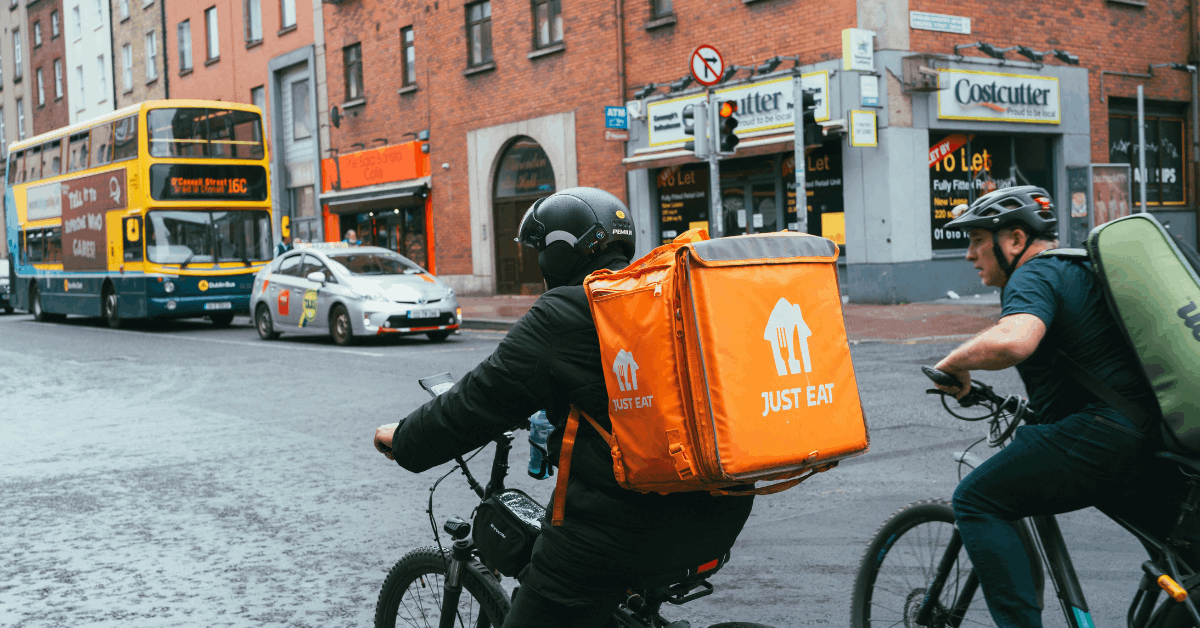
Self-employed riders operate as their own boss. They sign up with multiple apps, set their own hours, and usually provide their vehicle and equipment. They invoice platforms for each delivery and manage their own taxes and social contributions.
What is a Contracted Delivery Rider?
Contracted riders work through agencies or directly for platforms that hire under term contracts. Hours may be predetermined, and pay is often by the hour—sometimes with additional rewards. This setup typically provides more structure but less flexibility.
Key Differences Between Self-Employed and Contracted Riders
Looking closer, real differences appear—not only in how you work, but in what rights and responsibilities follow you home.
Flexibility and Control
Self-employment gives full control of the schedule. Shift times, location, even the platforms used are up to each rider. There’s usually no manager—or sometimes, maybe too little guidance. Some people love this, but others find it challenging.
Contracted riders, meanwhile, may have regular shifts and some oversight. This can mean more predictable routines, but less ability to adapt work around personal life or other income streams.
Earnings Potential
Self-employed riders can theoretically earn more—especially during peak hours or in busy cities—but income is not guaranteed. Factors such as competition, traffic, or platform demand influence daily results.
Contracted riders receive a fixed hourly wage, as set in their contract. This offers predictable pay, which can be a relief during slow periods. But there might be fewer opportunities to take on additional high-demand shifts for extra cash.
Legal Rights and Protections
Contracted workers often get access to basic employment protections—such as paid leave, sick pay, or social insurance—set out by local laws or collective bargaining. This can vary a lot between countries, perhaps even between cities.
Self-employed riders are generally not covered by these protections. This means no automatic sick pay and no employer-paid pension.
Everything—insurance, healthcare, time-off—must be arranged personally. It’s a big responsibility, and some are surprised by this after starting.
Tax and Administrative Burden
For the self-employed, personal responsibility is key. Tax registration, filing, and social contribution payments all fall to the rider. Rules might be unclear—sometimes even the tax offices seem unsure, and advice from other riders online is often inconsistent.
By contrast, contracted riders usually have taxes and contributions deducted from their pay automatically. There’s less paperwork and confusion, making it easier for newcomers or those uncomfortable with administration.
Why Does the Difference Matter for European Riders?
Legal battles and debates about platform work are frequent in Europe. In some countries, courts have forced major platforms to reclassify self-employed riders as workers due to lack of protections. This means the ground under riders’ feet is always shifting a little.
Current Legal Frameworks
Laws differ hugely. In Spain, for instance, the “Rider Law” now requires many delivery platforms to classify workers as employees.
In France, on the other hand, most riders still operate as freelancers. Germany, the Netherlands, and Italy all have different interpretations—or at least, different levels of enforcement. It’s worth noting that local advocacy groups and unions are pushing for more standard rights across borders.
Reform and Uncertainty
Legislative changes can bring sudden shifts. Riders may find their contract changes overnight, or new requirements are announced with little warning. This uncertainty adds a layer of risk, especially for those making long-term plans in the industry.
Benefits and Pitfalls: Evaluating the Options
Choosing between self-employment and a contracted model shouldn’t be rushed. Each comes with attractive benefits—and real drawbacks. Sometimes, it’s not about which is better, but which fits one’s circumstances, appetite for risk, or work-life needs.
Pros of Self-Employment
- Maximum schedule flexibility (work as much or as little as you wish)
- Opportunity to sign up with multiple apps
- Potential to optimize earnings around peak times
- Possibility of personal business growth if approached strategically
Cons of Self-Employment
- No guaranteed income or minimum hours
- No paid leave, pension, or sick pay
- Must manage all taxes and admin independently
- May be left without support after accidents or illness
Pros of Contracted Work
- Stable, predictable wages (hourly rate or monthly salary)
- Access to social security and basic workplace protections
- Admin and taxes usually handled by employer or agency
- May offer training or path to career growth
Cons of Contracted Work
- Lower overall earning potential during busy periods
- Less flexibility in choosing hours and platform
- Possible pressure to accept less favorable shifts
- Harder to diversify income or work for competitors simultaneously
How Platforms Shape the Experience?
Each major delivery platform structures its agreements differently. Some mainly use freelancers; others push toward contracted employment, sometimes in line with legal shifts.
Brands like Uber Eats, Deliveroo, Glovo, and Just Eat all have different models across European markets. Riders often share in forums that platform choice often influences their happiness or stress just as much as employment status.
Which Model is Best for You?
There’s no universal answer. Some people value absolute freedom, even if it means more paperwork and risk. Others find security and routine a relief, especially when life outside of work is busy or unpredictable.
There are also those who try a hybrid of both—though platforms may discourage it, riders sometimes combine hourly shifts with freelance gigs elsewhere.
You might also consider your location, language abilities, and long-term goals. Are legal protections more important, or is the ability to earn on your own terms irresistible?
Steps to Get Started with Delivery Work in Europe
If you’re looking to enter the gig economy as a rider, the process usually follows several broad steps. There’s a bit of variety based on country and platform preferences, but the starting stages typically look like this:
1. Choose Your Preferred Work Model
Assess your need for flexibility versus security. Consider how comfortable you are handling paperwork and uncertain income flows. If undecided, connecting with riders in your area may provide clearer perspectives than reading official guides.
2. Register with a Platform or Agency
Applications generally require personal documents and proof of age. Some platforms need proof of business registration for the self-employed or a local tax ID. Contracted jobs might ask for prior experience, but many do not.
3. Prepare Your Equipment
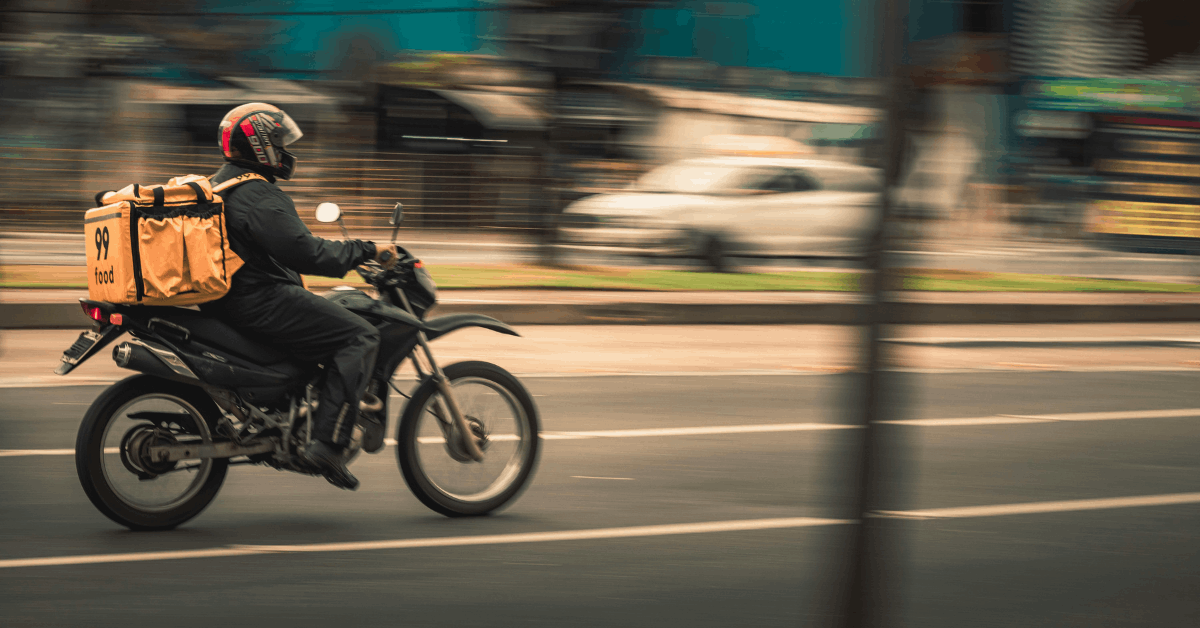
Most riders supply their own bikes, scooters, or e-bikes. Reliable internet, a smartphone, and safety gear are essential. A few contractors offer partial reimbursements or provide branded gear, but this is rare.
4. Understand Your Rights and Responsibilities
Research local labor laws or seek advice from rider associations, if possible. European employment frameworks are broad and, frankly, not always easy to interpret. An honest, thorough approach at the start tends to prevent future headaches.
5. Keep Records from Day One
For self-employed, keep meticulous invoices, earnings logs, and receipts. Contracted workers should track hours and payslips to spot any underpayment or administrative problems early on.
Tax and Social Security Factors
Taxation can be one of the most confusing aspects. Self-employed riders must often pay personal income taxes plus social security. In countries like Germany or the Netherlands, there’s a minimum income threshold before full contributions kick in.
Contracted workers generally have taxes and social payments deducted before payout—though it’s wise to review pay statements to check for errors.
Risks and Ongoing Debates
Europe’s gig economy is a battleground of policy, legal wrangling, and activism. Platform work unions, local governments, and the companies themselves continuously debate rider status.
Some might find this environment frustrating. Others see it as a welcome sign of eventual progress toward fairer working conditions.
Will the regulations settle soon? Honestly, it’s tough to say. Routes taken by Spain or Italy might inspire laws elsewhere—or be reversed with new political changes. The only certainty is that riders need to stay aware and informed.
FAQs: Self-Employment and Contracted Delivery Work in Europe
Is one better than the other for making money?
It depends. Self-employment offers peaks for those who work smartly, especially in very busy areas. Contracted roles provide steadier pay, but perhaps less upside during high demand.
Which option is safer?
From a protection and rights perspective, contracted roles have the edge. But with good insurance and organisation, some self-employed riders manage risks comfortably. Both models carry challenges—unexpected expenses, accidents, or platform changes.
Can I switch between models?
It’s often possible, but not always seamless. Switches may require registering or deregistering with local tax offices, changing the type of contract with the platform, or adjusting work patterns. Some riders explore both before settling.
Tips for Delivery Riders in Europe
- Compare flexibility and job security.
- Check tax rules before starting.
- Keep records from day one.
- Review platform contracts carefully.
- Confirm insurance and social protections.
Conclusion
Self-employed and contracted delivery rider roles in Europe can look similar, but they create very different responsibilities for pay, taxes, insurance, and worker protections.
Self-employed riders usually gain more schedule freedom, while contracted riders often receive steadier wages and stronger employment benefits.
Riders should compare local laws, platform rules, admin duties, income stability, and safety coverage before choosing a work model.
With careful research and organized recordkeeping, delivery work can become a more informed and manageable income option.