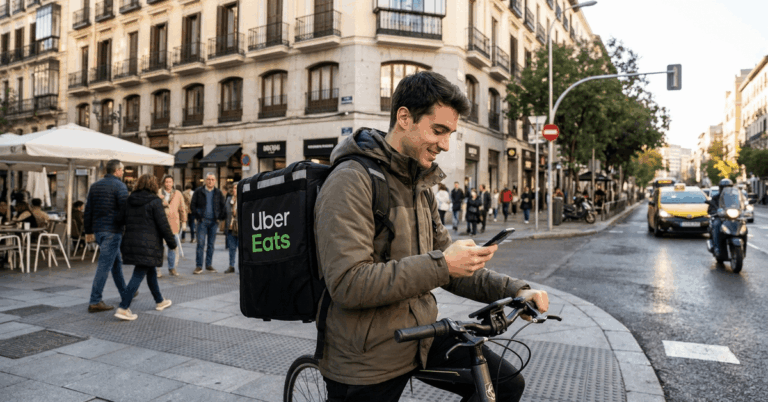
Food delivery jobs have transformed the way people across Europe access convenient meals—and the opportunities for reliable income.
For many, starting as a food delivery rider means quick entry into paid work, adaptable hours, and a chance to explore new neighborhoods.


This article shares up-to-date guidance for those considering this side gig or full-time job, with a focus on practical tips and common requirements you might encounter.
Why Food Delivery Rider Jobs Appeal to Many in Europe?
The surge in online food orders means that cities, big or small, are looking for more couriers to bridge the gap between restaurants and hungry customers.
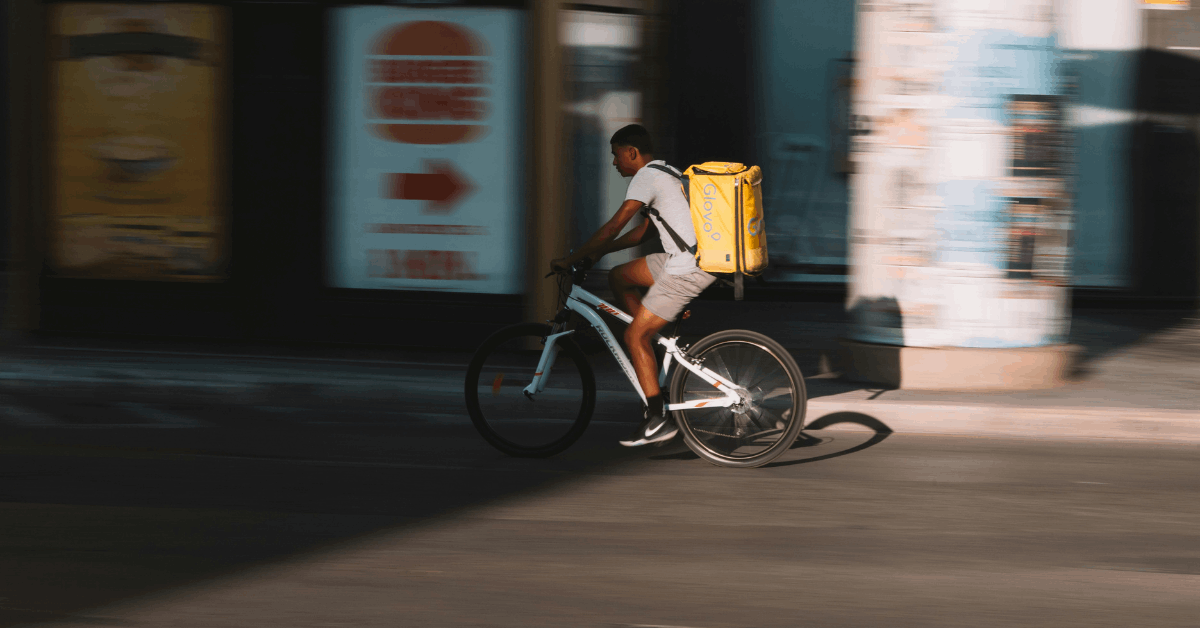
Some find it attractive for its flexibility; others just like the idea of cycling or driving around while earning money. There are a few factors making delivery work particularly appealing in Europe.
Increasing Demand in Urban Centers
Major cities like Berlin, Paris, Madrid, and Amsterdam have witnessed a marked increase in food delivery apps. With this surge, companies are frequently seeking new riders, sometimes year-round.
Flexible Work Arrangements
Few roles let you choose your own hours as freely as food delivery. From students with fluctuating schedules to new arrivals trying to adjust, the chance to work days, evenings, or weekends stands out among gig jobs.
Potential for Quick Payouts
Many delivery platforms in Europe now offer weekly or even daily payment options. For those looking to access earnings soon after a shift, this is a real advantage, helping with immediate expenses or savings goals.
What You’ll Need Before You Start?
It’s easy to imagine just downloading an app and hitting the streets, but a few essentials are non-negotiable. Some requirements differ depending on your country or platform, so it helps to research specifics in advance.
Reliable Mode of Transport
Most riders use bicycles, scooters, or motorbikes, with some platforms also accepting cars. A well-functioning, roadworthy vehicle is crucial, whether your city requires an e-bike or prefers traditional cycling.
Legal Right to Work & Documentation
Proof of address, valid ID, and sometimes work permits or visas are typically required. European Union citizens often navigate fewer hurdles, but non-EU citizens should confirm local regulations or permit requirements before applying.
Smartphone and Connectivity
The delivery process relies heavily on mobile apps. A reliable smartphone—charged and with a data plan—ensures no missed orders or updates while out on a delivery run.
How to Get Started as a Food Delivery Rider
Once you’ve confirmed your documents and equipment, deciding where and how to apply comes next. There’s no single path; the journey varies, though some steps tend to be universal for most major European platforms.
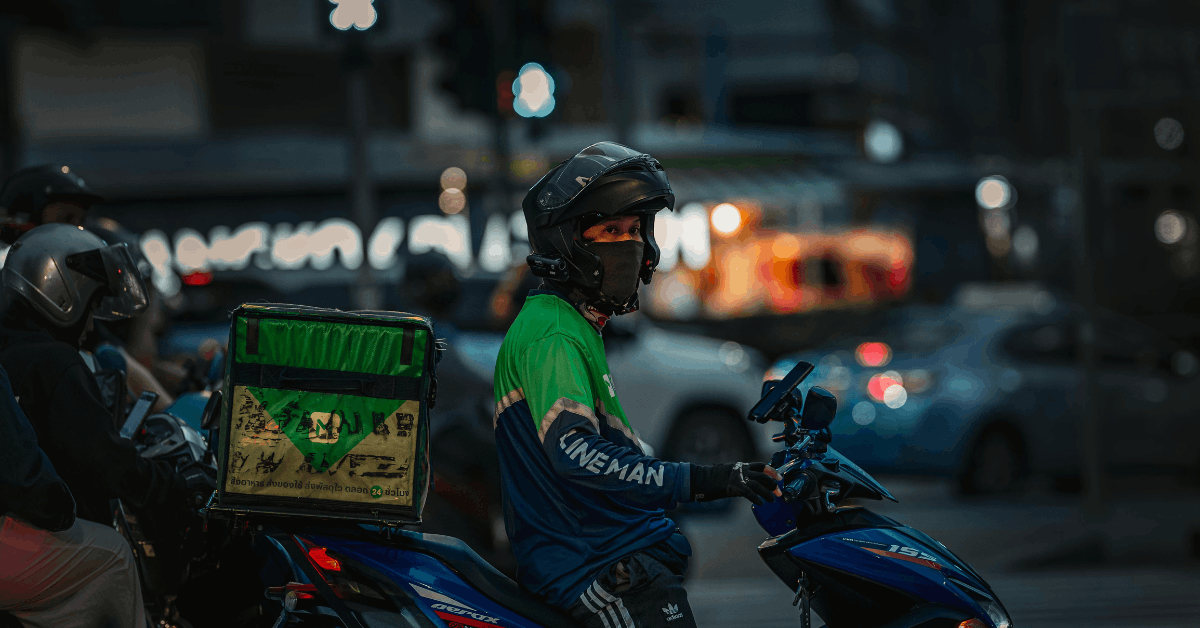
Choosing the Right Platform for Your Area
Large platforms (like Uber Eats, Deliveroo, Glovo, and Just Eat) usually operate across several European countries.
However, some regions favor specific brands, so researching which service has the largest presence in your city can boost your earnings.
Application & Onboarding Process
Most applications are done online. Expect to fill out personal details, submit documents, and possibly attend a virtual or in-person orientation. Some providers offer online training videos covering safety, customer service, and platform use.
Equipment Setup, Safety, Insurance
Platform partners may require branded items (like insulated bags or t-shirts) and sometimes charge a small deposit for official gear.
Think about personal safety: helmet, reflective clothing, and bike locks are simple additions that make a difference. Insurance for your vehicle and public liability could be required, though available coverage varies widely by country and provider.
Top Food Delivery Companies in Europe
Many well-known brands recruit new delivery partners every month. Understanding the perks and drawbacks of each platform could lead to more job satisfaction (and, not least, better pay).
- Deliveroo: Active in major Western European cities, known for app usability and decent incentives, but competition among riders can be high.
- Uber Eats: Available in over 40 European cities. Offers flexible scheduling and sometimes weekly payment, but pay-per-delivery rates may vary a lot.
- Glovo: Especially prominent in Spain, Italy, France, and parts of Eastern Europe. Known for delivering everything from food to groceries, which brings variety.
- Just Eat: Widespread across the UK and parts of mainland Europe; localized support and a loyal customer base are often cited as pluses.
Tips to Boost Your Earnings as a Delivery Rider
It’s not just about putting in more hours—small adjustments can really make a difference. Many new riders are surprised by how much their income hinges on timing, area, and efficiency.
Pick High-Demand Times
Evening and weekend shifts usually mean more orders—and sometimes extra pay incentives. Lunchtime in business districts can be especially profitable, though it gets competitive quickly.
Know Your Zone
Familiarity with local street layouts or traffic hotspots often cuts down on wasted time or detours. Consider sticking to a smaller zone to limit travel distance but maximize order potential.
Multi-App Riding
Some riders work with several platforms at once, though it’s best to check terms of service before starting. This approach can reduce downtime between orders, but juggling apps may sometimes feel hectic.
Maintain Positive Ratings
Customer and restaurant reviews influence how often you’re assigned new orders. Courteous communication and careful handling of deliveries help maintain strong ratings, which can unlock bonuses or preferred shifts.
Track Expenses and Earnings
Using a simple spreadsheet or mobile app to document income, maintenance, and fuel/battery costs makes it easier to see true profit. Riding seems profitable, but small expenses do add up—so it’s worth checking the bottom line regularly.
Legal and Tax Responsibilities
Food delivery riders are usually self-employed, meaning tax obligations, invoicing, and insurance can’t be overlooked. Fines or other issues may arise later if these are ignored, even by accident.
Registering as Self-Employed
Most European countries require food couriers to register as freelancers or sole traders. You may need to obtain a VAT number depending on your earnings and country. This can sound daunting at first, yet many governments provide clear online guides and support.
Income Reporting and Deductions
All income should be reported on annual tax returns. Eligible expenses—such as bike repairs, safety equipment, or even phone bills—can sometimes be deducted, helping reduce overall tax owed. Precision here generally pays off.
Understanding Social Insurance
Some platforms offer partial coverage for injuries or accidents. This isn’t always guaranteed, and national laws play a role, so it’s important to check whether separate health or accident insurance is needed. It may sound boring, but it’s usually a wise move in the long run.
Conclusion
Food delivery rider jobs in Europe can be a practical option for people seeking flexible hours, quick entry into paid work, and extra income.
Most riders need reliable transport, valid documents, a smartphone, safety gear, and awareness of local platform requirements.
Couriers should compare apps, learn busy zones, maintain good ratings, and track earnings carefully to understand real profit. With proper preparation and responsible planning, delivery work can become a flexible and manageable way to earn income.