Food delivery platforms have reshaped how people work and dine across Europe. Many newcomers want to join this fast-growing sector.
If you’re looking for a flexible way to earn, stepping into food delivery as a beginner can feel both exciting and a little overwhelming.

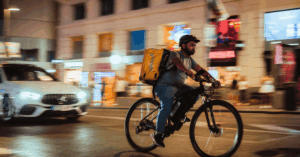

This guide is crafted for those hoping to find the best delivery app for beginners, focusing on platforms that are welcoming and easy to start with, especially in major European cities.
Why Food Delivery Apps Are Ideal for Starters in Europe?
In recent years, gig jobs, particularly with delivery apps, have become accessible entry points into Europe’s modern workforce.
For first-timers, the appeal is clear—low barrier to entry, flexible hours, and the opportunity to earn without years of experience.
Low Experience Requirements
Most delivery apps don’t ask for much—often just a smartphone and, in some countries, a bike or scooter. This minimal requirement means even students or newcomers to the job market can join with ease.
Simple Onboarding Process
Many well-known apps offer user-friendly sign-up systems, sometimes fully digital, that allow beginners to start quickly. This is especially handy for those who prefer step-by-step guidance in their language of choice.
Personalized Schedules
Food delivery work’s main draw? You set your own hours. This flexibility often helps people fit earning opportunities around studies, family life, or even another job.
Most Beginner-Friendly Food Delivery Platforms in Europe
Not every app is equally straightforward for new couriers. Below are a few platforms widely noted for their beginner support, coverage, and steady demand across Europe:
Uber Eats
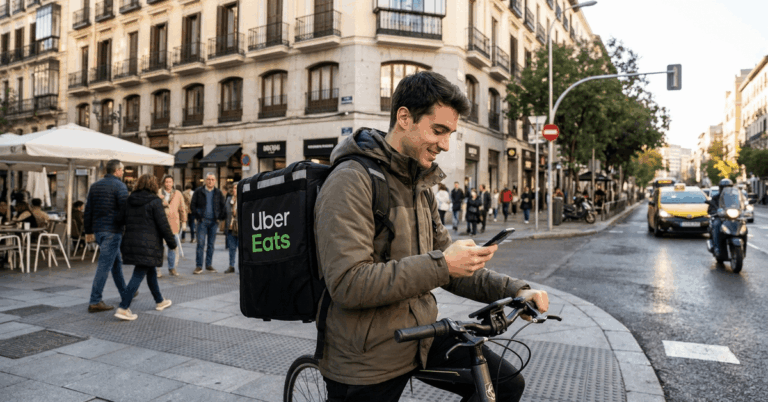
Available in most major European cities, Uber Eats is perhaps the most recognizable platform. Registration is generally quick.
With its familiar interface and plenty of order volume, Uber Eats makes picking up your first delivery pretty simple—even if, at first, you feel unsure.
Deliveroo
Deliveroo has built a reputation for supporting first-time couriers with a straightforward process and responsive support. The app allows you to choose shifts and see potential earnings estimates, which can remove some early uncertainty.
Glovo
Originating in Spain but now well-spread, Glovo isn’t just about food—you might be delivering groceries, parcels, or even pharmacy items.
Some beginners find this variety increases daily earning chances. The platform also provides access to in-app guides for new users.
Just Eat
In several markets like the UK and France, Just Eat partners with local restaurants, creating steady demand. The onboarding is reasonably simple, and community-based help from fellow couriers can make early days less stressful.
Key Factors When Choosing a Food Delivery App
What makes one platform better than another for beginners? It’s more complex than earning per delivery—other elements affect daily experience. Here are a few points worth weighing:
Coverage in Your City
Not every platform is active everywhere. A dense network in your area means more order opportunities. Checking which apps are most used by both consumers and couriers can give a strong indication.
Language and Support
Some apps allow account management, onboarding, and customer support in various European languages. For beginners, being able to read instructions or resolve issues in your native tongue can be reassuring.
Income Stability
Look out for platforms offering minimum earning guarantees or regular incentives. These can provide peace of mind if early weeks are slow—which, honestly, they sometimes are.
Onboarding Resources
Some apps offer video guides, knowledge bases, or even short training webinars for new couriers. These resources, while not always exciting, can save you from rookie mistakes.
How to Sign Up and What to Expect as a First-Time Courier?
While each app is different, most follow a similar sign-up and start procedure. That said, each step can feel slightly daunting the first time around, so it’s worth preparing.
Sign-Up Documents
- Valid ID or passport
- Proof of vehicle ownership or use (if required)
- Smartphone with internet access
- Bank account details for payments
Registration Steps
- Register via the official website or app
- Upload required documents
- Complete background or identity checks (times vary by country)
- Wait for confirmation—this could be almost instant or take a few days
- Access training materials (where available)
First Week Realities
Most new couriers start with a mix of curiosity and mild anxiety. The first order may not go smoothly—but that’s true for almost everyone. You might forget to bring a phone charger or mix up restaurant pickup points. With each shift, confidence builds.
Tips for Making the Most of Delivery Apps as a Beginner
Getting comfortable (and profitable) as a new courier is about more than signing up. The small habits you develop—like planning your routes or checking order hotspots—can make daily runs smoother and more pleasant.
Stay Organized
Keep delivery essentials ready: fully charged phone, insulated bag, ID. Good organization often prevents last-minute stress—something new couriers mention a lot. Sometimes, what feels like a minor detail can save an hour.
Aim for High-Demand Times
Lunchtimes, evenings, and rainy days typically mean more deliveries—and higher tips. But, it’s wise not to rely only on these. Spreading shifts out sometimes leads to unexpected busy periods.
Use In-App Support
For most beginners, glitches or confusing receipts pop up early on. Don’t hesitate to use live chat or help sections. This access to help can make frustrating situations less daunting.
Balance Speed with Service
It’s tempting to rush, but good customer ratings can shape income, especially on platforms with bonuses or ‘top courier’ schemes. Finding your own pace, rather than copying the fastest around, often feels less exhausting over time.
Legal and Tax Essentials for New Couriers
Across Europe, food delivery work is often considered self-employment. This means, even as a beginner, there are some legal basics to be aware of before accepting your first order.
Registering as Self-Employed
Depending on the country, you may have to register as a freelancer or business. Requirements differ—in some places, rules are strict and in others, more lenient. It’s advisable to check your local government or official business portal for accurate steps.
Tax Implications
Any income—no matter how casual—can be taxable. For beginners, understanding what needs declaring, and when, is vital. Some apps offer downloadable earnings summaries to help you keep records.
Insurance and Work Safety
While platforms often suggest personal or third-party insurance, it’s sometimes not mandatory. Beginners often overlook this, but having appropriate cover can prevent big problems if an accident occurs. Even with basic coverage, you might sleep better at night.
Monetizable Keywords and Internal Topic Cluster Suggestions
- Beginner courier tips Europe
- Best food delivery jobs EU
- How to register for delivery apps in Germany
- Delivery app income comparison
- Tax for gig workers in Europe
Frequently Asked Questions
Q: Which app pays the most for new couriers in Europe?
A: This can vary by city and demand. Uber Eats and Deliveroo often offer competitive starting rates, but incentives change over time.
Q: Is food delivery work safe for beginners?
A: Generally, yes—though traffic, weather, and busy streets bring some risk. Choosing safe routes and being cautious helps.
Q: Can beginners get bonuses or incentives?
A: Many apps offer sign-up bonuses or referral programs to new couriers. Checking current promotions during sign-up could boost early earnings.
Conclusion
Food delivery apps can be a practical starting point for beginners who want flexible work, simple onboarding, and low experience requirements.
Platforms like Uber Eats, Deliveroo, Glovo, and Just Eat may offer different benefits depending on city coverage, support, order volume, and beginner resources.
New couriers should prepare documents, learn the app, understand local tax rules, and use safe delivery habits from the start.
With patience and good organization, food delivery work can become a manageable way to earn income while building confidence on the road.