Food delivery jobs in Spain have become a popular option for those seeking flexibility and extra income. With people relying more on apps for convenience, demand is only growing. But what’s really involved in becoming a courier here?
This article is meant for residents, newcomers, and anyone interested in working as a delivery rider in Spain. It covers what you can expect to earn, the key legal requirements, and how to find work through major delivery platforms.



Why Food Delivery Jobs Are Popular in Spain
Spain is known for its vibrant cities and busy nightlife. Quick meal deliveries fit naturally into urban routines, making these jobs a frequent choice for many people.
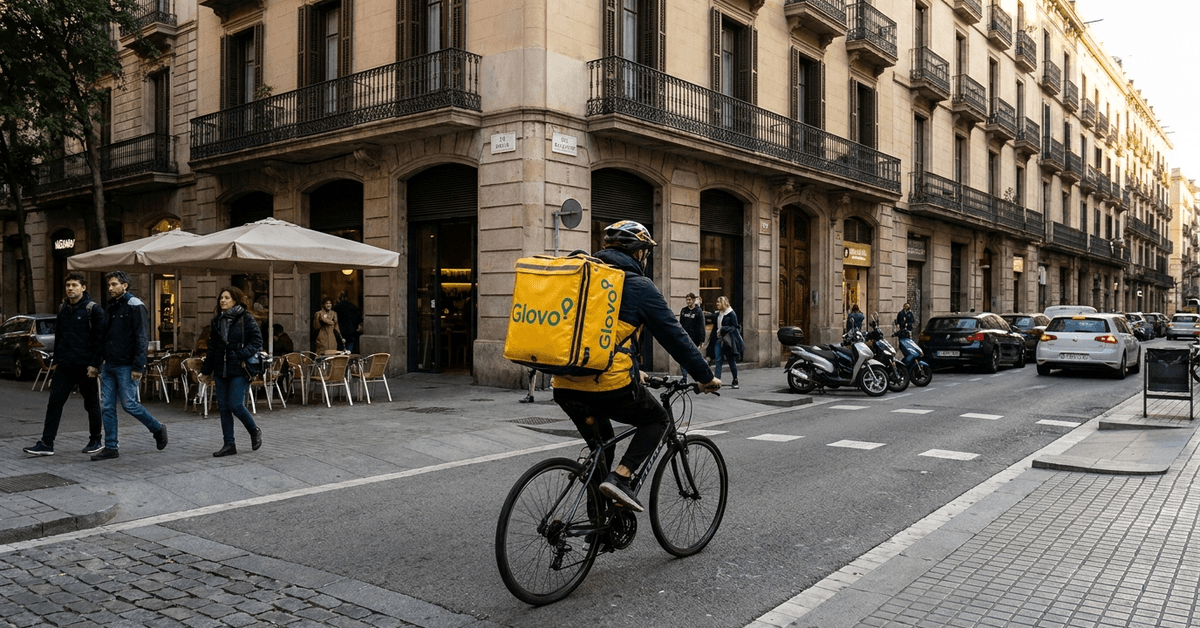
Some choose delivery work as a main income, while others see it as a way to supplement earnings. Perhaps, for students or those in-between jobs, the flexibility makes this role especially appealing.
The surge in food delivery apps has opened up job opportunities in nearly every corner of the country—from Madrid’s crowded streets to the coastal regions of Andalucía.
How Much Can You Earn as a Food Delivery Rider in Spain?
Pay for food delivery jobs in Spain varies depending on location, demand, and the chosen platform. Earnings are typically calculated per order, sometimes with added distance-based fees or tips.
Average Hourly and Monthly Earnings
Based on several platforms and city averages, many couriers report hourly earnings between €7 and €12 before expenses. In peak times, this might be slightly higher, but it’s rarely guaranteed.
On a busy month, riders working 30 hours a week may earn anywhere between €900 and €1,400 gross. But do keep in mind: these figures can fluctuate based on region and time of year.
Some couriers note that rainy days or weekends are more profitable, but competition for orders grows during high-demand times, especially in larger cities.
Expenses and Deductions
Unlike traditional employment, couriers often cover their own costs. This includes fuel, maintenance for vehicles, and sometimes even gear like helmets or delivery bags.
When calculating net pay, it’s important to factor in these expenses, along with social security and tax contributions, which are mandatory for self-employed couriers in Spain.
Some platforms occasionally offer bonuses or incentives, though terms may change frequently or depend on completing a set number of orders in a given timeframe.
Requirements to Work as a Courier in Spain
Each platform has unique steps for onboarding couriers, but Spanish regulations generally require meeting certain criteria. Many jobs are open both to citizens and legal residents.
Essential Documents
- Valid identification (DNI or NIE card for residents and non-nationals)
- A residence permit (for non-EU workers)
- Spanish bank account
- Smartphone with internet access
Most companies require proof of age (minimum 18), along with the appropriate license for scooters or motorbikes if using one to deliver orders.
Registration as Self-Employed (Autónomo)
In Spain, most food delivery couriers must register as self-employed—a process known locally as becoming an autónomo . This applies regardless of whether one works full- or part-time.
The registration can be handled at Spain’s Social Security office or online. Remember, autónomo couriers need to file regular tax returns and pay social security contributions every month.
Insurance and Safety
While not always mandatory, it’s a good idea to have liability insurance. Some platforms offer rider insurance, but often only in case of accidents during work hours.
For bike and scooter deliveries, helmets are mandatory. Some cities also require specific road permits, depending on the zones being covered.
Top Food Delivery Platforms Operating in Spain
Spain has a competitive landscape of food delivery apps. While global brands dominate the market, some local players are quite popular as well.
Glovo
Glovo is one of the best-known delivery apps in Spain. They deliver food, groceries, and even small packages in more than 60 cities. The registration process, requirements, and onboarding details are outlined on the official Glovo couriers portal.
Uber Eats
Part of the global Uber family, Uber Eats operates in all major Spanish cities. They ask applicants to provide proof of ID, a smartphone, and valid permits or driver’s license if using a scooter.
Just Eat
Just Eat mainly partners with restaurants but also works with independent couriers. To sign up, a short application and background check are required. For specific hiring processes and details, their official driver page covers everything in full.
Other Notable Options
A few regional platforms have grown in popularity recently. Startups like Stuart or Deliveroo sometimes operate in urban centers. Availability can differ by city and current demand.
Common Challenges and Realities
Food delivery offers freedom, but also some unique challenges. For example, earnings might dip during off-peak periods like summer afternoons, or in areas with low population density.
Weather, traffic, and competition from other riders can impact daily routines. Sometimes things feel unpredictable. There’s a definite need to manage costs, especially when working as autónomo with fluctuating income.
Tips to Maximize Your Earnings in Spain
While there’s no guaranteed formula, several strategies can help improve consistency and total pay. Experience usually leads to better route choices and timing.
Choose Peak Hours
Most orders come during lunch and dinner hours, especially on weekends. Some apps offer surge pricing during these times, so tracking demand can be helpful.
Work With Multiple Platforms
Since orders can be uneven, many riders sign up for more than one platform. This allows them to switch between apps when one becomes slow.
Maintain Your Vehicle
A well-maintained bike or scooter cuts both downtime and unexpected repair costs. Some riders choose electric bikes for convenience or to avoid high fuel expenses.
Track Earnings and Expenses Closely
Using a simple spreadsheet or finance app helps in monitoring revenue against expenses. This is especially important for autónomos due to required tax reporting.
Legal and Tax Considerations for Delivery Riders
The question of employment status in Spain is occasionally debated—some court decisions have challenged the self-employed model. Platforms are required to comply with the so-called ‘Rider Law,’ which aims to provide greater security for couriers.
This law obliges many platforms to hire riders as employees in certain situations, rather than freelancers, affecting areas like insurance, social contributions, and minimum wage rights.
That said, the specific status may depend on your platform of choice, contract details, and local enforcement. It’s a rapidly evolving topic, so it’s worth keeping up to date with current legislation.
Conclusion: Is Food Delivery Work in Spain Right for You?
Food delivery jobs in Spain combine flexibility with a steady stream of work. They’re approachable for most people with basic requirements, but also come with expenses and some uncertainty.
The variety of major platforms—Glovo, Uber Eats, and Just Eat—offers applicants options to suit different cities and work preferences. The pay can be solid for those who optimize their hours and manage costs well.
For anyone curious about starting, an application can be made securely through Glovo’s official site at Join Glovo as a courier. Honest expectations and understanding the legal aspects go a long way to making the most of this evolving field.